

How often should you get pest control in Southern Utah? Most homes do well with a professional visit about every three months, plus a call if something shows up in between. Scorpions, ants, and spiders set the pace here, and our Pest Control team can match the schedule to your home.
By Green Defense Pest Team
Washington County has a long warm season, dry air, and irrigated yards that draw insects like an oasis. Pests in desert environments rarely take a real break, so a regular schedule beats waiting for a pest problem to show up. The right rhythm still depends on your house, whether it sits in St. George, Hurricane, Washington, Santa Clara, Ivins, La Verkin, or Cedar City.
The table below answers a common question: How often should you get pest control if your home looks like one of these?
| Situation | Usual rhythm | Why |
|---|---|---|
| Sealed home with no pest history | Two to four visits a year | Catches spring insects and fall rodents before they settle in |
| Past trouble with ants, spiders, or roaches | Quarterly | Keeps the outside barrier fresh through the warm months |
| Arizona bark scorpion activity | Closer visits at first, then quarterly | Scorpions follow their food, so the insects have to go too |
| Older home, mature trees, irrigated yard | Quarterly | More cracks, more shade, and more moisture draw pests |
| New home in a fresh subdivision | Two to four visits a year | Fewer gaps, but nearby construction pushes desert pests around |
Treat the table as a starting point. A technician’s inspection of your yard and foundation turns it into a real plan.
How Often Do You Really Need Pest Control?
How often do you really need pest control if your home has never had trouble? Sometimes only twice a year. A tight home with door sweeps, screens, and sealed entry points gives pests fewer ways in.
The desert works against you, though. Scorpions and spiders live in the soil and rock around nearly every Southern Utah neighborhood, so a quiet house today can have a visitor next week. A homeowner needs service as often as local pest pressure demands.
How Often Should Pest Control Be Done?
Most professionals work in quarterly cycles because seasonal pests arrive in waves. Spring wakes up ants and spiders. Summer heat and monsoon humidity push cockroaches and scorpions toward your walls, and standing water draws more pests to your yard. Fall sends mice and other rodents looking for a warm spot.
Four visits a year match those waves and keep the protective barrier around your home fresh. The EPA promotes integrated pest management (IPM), which puts inspection and prevention ahead of routine spraying. A good schedule follows that same logic.
Is Quarterly Pest Control Worth It?
Usually yes. Is quarterly pest control worth it for a home that has never had a pest problem? Sometimes not. For a home with scorpion, ant, spider, or roach history, four visits a year pay off for three reasons:
- Timing: Quarterly control treatments hit each wave before it peaks, which is how you stay ahead of a seasonal pest instead of chasing it.
- Barrier: A fresh outside barrier every few months replaces the one that sun, sprinklers, and rain wore thin.
- Backup: Green Defense backs its work with a re-service guarantee: “If pests come back between visits, so do we, free.”

Is Monthly Pest Control Necessary?
Rarely. Monthly visits make sense for a short stretch when a home has an active infestation (a large, established group of pests living in or near the house), such as a heavy roach problem or a scorpion-packed lot. Even then, frequent control treatments are a way to regain control, not a permanent plan. Once the numbers drop, most homes settle back to quarterly visits.
If a provider wants monthly service forever for a house with no active pest problem, ask what they are treating. Severity (how bad the problem is) should drive the schedule, and the schedule should shrink as things improve.
How Often to Spray for Bugs?
Calendar spraying alone wastes effort. A spray (a liquid product applied in a band around the foundation and entry areas) only works while it stays active, and sun, irrigation, and monsoon rain wear it down. Professionals usually treat the outside perimeter each quarter, then add spot work for wasp nests, ant trails, and cracks near doors.
Green Defense uses family friendly, eco-friendly control treatments. A homeowner should skip heavy store-bought products between visits, because repellents can scatter an ant colony into several new ones.
How Long Does Pest Control Last?
A treatment is built to protect for about a quarter, but the real answer depends on the pest, the weather, the severity of the problem, and the house.
- Ants: A nest-level treatment can wipe out a colony within weeks, but new colonies move in when food and water are still there.
- Spiders and scorpions: The barrier knocks them back, yet they follow their food.
- Mice and rodents: A rodent infestation stays gone only while entry points stay sealed.
- Termites: These soil-dwelling insects need their own plan, because a general treatment does not reach a colony in the ground.
A summer of heavy irrigation and monsoon storms shortens the life of any barrier. If pests return before your next visit, the free re-service guarantee applies.
What Changes How Often a Southern Utah Home Needs Pest Control?
Five things move your schedule up or down:
- Moisture: Leaky valves, sprinkler overspray, and damp crawl spaces draw pests. Fix the moisture first and every treatment works better.
- Landscaping: Rock mulch, wood piles, and plants touching the walls create friendly environments for pests, with shade and a path to your house.
- Food sources: Pet food, crumbs in kitchens, and open trash cans keep insects fed.
- Location: Homes in wash and open-desert environments see more scorpions and rodents than homes in the middle of town. Cedar City sits higher and colder than St. George, so its seasonal pests arrive on a different calendar.
- Gaps: Worn door sweeps, cracked stucco, and open utility lines are the entry points pests use. Prevention starts with sealing them.
Homes near rock walls and washes often need extra help from Scorpion Control in St. George on top of the regular schedule, since Arizona bark scorpions climb stucco and block walls and hide in thin gaps.
One pest ignores the calendar. Bed bugs arrive on luggage, used furniture, or a guest’s bag in any season, so even a careful homeowner can bring them in. A routine perimeter treatment does not stop them. They live indoors, so they need a plan built around that infestation, not a quarterly cycle.
Can You Skip Pest Control in the Winter in Southern Utah?
Sometimes, but not always. How often should you get pest control in winter? Often on a lighter schedule. St. George winters are mild, so spiders and other insects stay active in indoor environments, and mice move into garages and attics as the nights cool.
Cedar City winters are harder, so a single winter visit focused on rodents and the seasonal pests that move indoors is often enough. Ask the professionals you hire what their winter version covers.
Do New Homes in Southern Utah Need Pest Control as Often as Older Homes?
Not always. Newer homes have tighter seals, fewer gaps, and fresh door sweeps, so many start with two to four visits a year and adjust from there.
Older homes have settled cracks, aging weatherstripping, and mature trees, so quarterly is the common starting point. Termites ignore home age. They can enter any home with wood touching the soil or hidden leaks, which is why a regular inspection matters at every age.
Questions People Ask About Pest Control Schedules
How is pest control done?
A technician starts with an inspection of the yard, foundation, garage, and entry points. Next comes a treatment band around the outside of the home, plus targeted work on nests, trails, and cracks. Indoor control treatments happen only where activity shows up. The visit ends with prevention advice on sealing gaps and fixing leaks.
Should I clean my house before an exterminator comes?
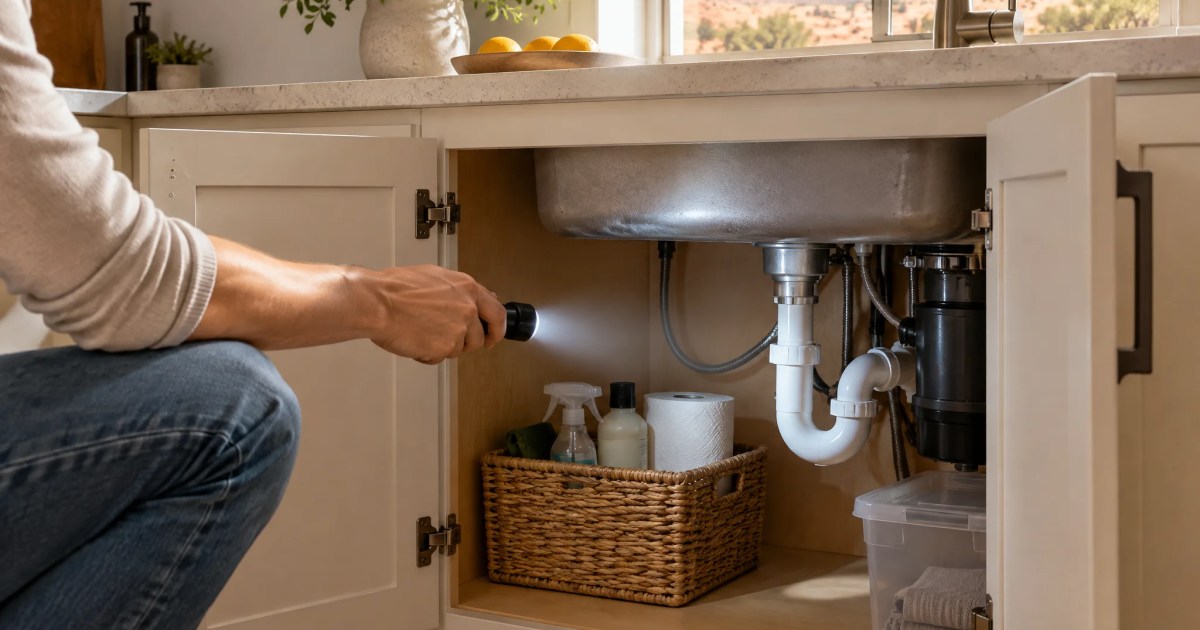
A homeowner only needs to tidy up. Clear counters, put food away, move pet bowls, and open access to baseboards, garage walls, and the areas under sinks.
What is the hardest pest to get rid of?
Bed bugs and German cockroaches usually top the list. Bed bugs hide in tiny cracks in bedding and furniture and can go months between meals. Cockroaches breed fast in kitchens and bathrooms. Neither disappears after one treatment, so both need a repeat plan, and severity sets how long it runs.
What pest is most damaging to a house?
Termites cause the most structural damage. In Southern Utah, the subterranean kind live in the soil and reach wood through pencil-width mud tubes. Have professionals check any mud tubes or discarded wings you find.
What scent do most bugs hate?
Peppermint, citrus, and vinegar are the usual answers. These scents may push a few insects away for a short time, but they do not remove a nest, seal entry points, or stop an infestation.
Get a Schedule That Fits Your Home
Quotes are free, and we can talk through a schedule built around your yard, your home, and the pests you have seen. Start by using the form to Request a Quote.