
Walking into your Orlando kitchen at night and seeing a large, dark insect scurry across the floor can be alarming. But is it a palmetto bug or a cockroach? This question confuses many Central Florida residents, especially newcomers to areas like Deltona, Daytona Beach, and Palm Coast where these pests are common year-round.
The truth might surprise you: there’s actually no difference between palmetto bugs and American cockroaches. Understanding this distinction – and learning to identify other roach species in your home – is crucial for effective pest control in Florida’s humid subtropical climate.
What Are Palmetto Bugs? The Truth Behind the Name
Palmetto bugs are simply American cockroaches (Periplaneta americana) that have earned a regional nickname in the southeastern United States. The name comes from their tendency to hide under palmetto palm fronds during the day, though they’ll shelter under any available cover.
This common misconception exists because many Florida residents prefer the term “palmetto bug” over “cockroach” – it sounds less alarming and doesn’t carry the same stigma associated with poor sanitation. However, from a pest control perspective, understanding that palmetto bugs ARE cockroaches is essential for proper identification and treatment.
American cockroaches are the largest common roach species in Central Florida, measuring 1.5 to 2 inches in length. They’re excellent indicators of moisture problems in and around homes, particularly in areas like Sanford and DeLand where older homes may have plumbing issues or poor drainage.
American Cockroaches (Palmetto Bugs): Detailed Identification
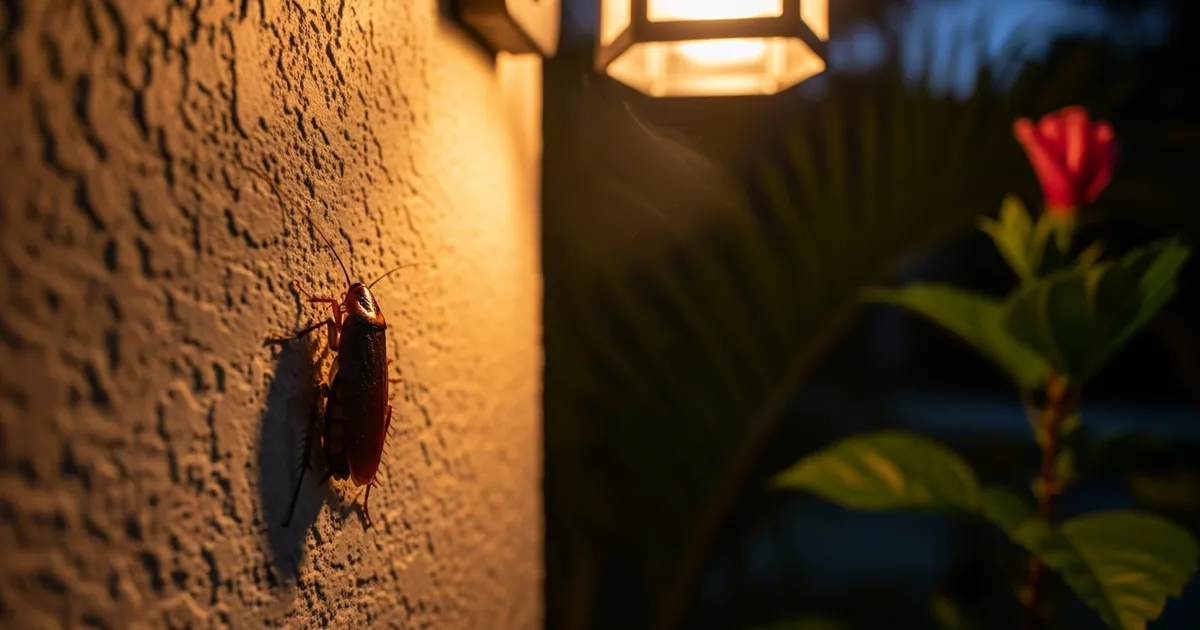
American cockroaches are unmistakable once you know their key features. These large roaches have several distinctive characteristics that separate them from other species commonly found in Orlando-area homes.
Physical Characteristics
Size: Adult American cockroaches measure 1.5 to 2 inches long, making them the largest roaches you’ll encounter indoors. Nymphs (juveniles) start at about ¼ inch and grow through 13 molts over 6-12 months.
Color: Adults display a distinctive reddish-brown color with a yellowish figure-8 pattern behind their head. This marking is called the pronotum and serves as the most reliable identification feature.
Wings: Both males and females have fully developed wings extending beyond their abdomen. Males are slightly longer and narrower than females. Unlike many roach species, American cockroaches are strong fliers and can travel up to 100 feet in a single flight.
Behavior Patterns
American cockroaches are primarily outdoor insects that occasionally wander indoors. They’re most active when temperatures exceed 84°F – perfect conditions for Central Florida’s climate from May through October. During cooler months (December through February), they often seek shelter in heated buildings.
These roaches prefer dark, moist environments with temperatures between 84-95°F. Common outdoor hiding spots include:
- Under palm fronds and large plant leaves
- In storm drains and sewer systems
- Around pool equipment and outdoor lighting
- In mulch beds and compost piles
- Under outdoor furniture and grills
American cockroaches are attracted to light sources at night. If you’re seeing them near your porch lights or windows after dark, check for moisture sources within 50 feet – that’s likely where they’re breeding.
German Cockroaches: The Indoor Invader
German cockroaches (Blattella germanica) are completely different from American cockroaches in size, behavior, and treatment requirements. These smaller roaches are true indoor pests that establish colonies inside homes and businesses throughout the Orlando metropolitan area.
Physical Identification
German cockroaches are much smaller than their American cousins, measuring just ½ to ⅝ inch in length. They’re light brown or tan in color with two dark stripes running parallel behind their head. Unlike American cockroaches, German roaches rarely fly despite having wings.
The most significant difference is reproduction rate. German cockroaches reproduce exponentially faster than American roaches:
- German cockroaches: 30-40 eggs per egg case, 4-6 egg cases per female, 3-4 generations per year
- American cockroaches: 14-16 eggs per egg case, 6-14 egg cases per female, 1 generation per year
This means a small German cockroach problem can become a major infestation in just 60-90 days, while American roach populations grow much more slowly.
Preferred Habitats
German cockroaches live exclusively indoors in Central Florida homes. They require warm temperatures (70-75°F), high humidity (above 75%), and access to food and water within 12 feet of their harborage areas.
Common indoor locations include:
- Kitchen cabinets, especially around sinks and appliances
- Bathroom vanities and behind toilets
- Inside electrical appliances (microwaves, coffee makers, toasters)
- Behind refrigerators and dishwashers
- In cracks and crevices near food preparation areas
Side-by-Side Comparison: Key Differences
| Characteristic | American Cockroach (Palmetto Bug) | German Cockroach |
|---|---|---|
| Size | 1.5-2 inches | ½-⅝ inch |
| Color | Reddish-brown with yellow markings | Light brown/tan with dark stripes |
| Flight Ability | Strong fliers, up to 100 feet | Rarely fly despite having wings |
| Primary Habitat | Outdoor, occasionally indoor | Exclusively indoor |
| Reproduction Rate | Slow (1 generation/year) | Fast (3-4 generations/year) |
| Temperature Preference | 84-95°F | 70-75°F |
| Moisture Requirements | High humidity, standing water | Moderate humidity, small water sources |
| Activity Pattern | More active in summer months | Active year-round indoors |
Why Moisture Control is Critical for Both Species
Both American and German cockroaches require moisture to survive, but they access it differently. Understanding these moisture needs is essential for effective control in Central Florida’s humid climate.
American cockroaches can survive without water for about 1 week, while German cockroaches die within 2-3 days without moisture access. However, both species thrive when relative humidity exceeds 75% – common conditions in Orlando, Deltona, and surrounding areas from June through September.
Critical Moisture Sources to Address
For American Cockroaches (Outdoor):
- Clogged gutters and downspouts
- Leaking outdoor faucets and irrigation systems
- Standing water in plant saucers and containers
- Pool and spa overflow areas
- Air conditioning condensate drains
For German Cockroaches (Indoor):
- Dripping faucets and leaky pipes
- Condensation around appliances
- Pet water bowls left out overnight
- Damp areas under sinks
- Poorly ventilated bathrooms
Fix moisture problems before treating for roaches. A single dripping faucet (1 drop per second) provides enough water for 100+ German cockroaches. Eliminating water sources reduces populations by 60-80% within 30 days.
Seasonal Activity Patterns in Central Florida
Understanding when these roaches are most active helps predict and prevent infestations. Central Florida’s climate creates distinct seasonal patterns for both species.
American Cockroaches (Palmetto Bugs)
Peak Activity: May through October when temperatures consistently exceed 80°F. During July and August, when afternoon temperatures reach 95°F+ in areas like Sanford and Lake Mary, American cockroaches are most likely to seek cooler indoor environments.
Winter Behavior: December through February, outdoor populations decrease significantly. However, roaches may enter homes seeking warmth, particularly during cold snaps when temperatures drop below 50°F for multiple days.
Hurricane Season Impact: Heavy rains during hurricane season (June-November) drive outdoor roaches indoors. Properties in flood-prone areas like parts of Deltona and Palm Coast often see increased indoor activity after major storms.
German Cockroaches
German cockroaches maintain steady activity levels year-round since they live in climate-controlled indoor environments. However, certain factors influence population growth:
Summer Increases: Higher outdoor humidity (often 80-90% in Central Florida summers) creates ideal breeding conditions. Indoor populations typically peak in August-September.
Holiday Surges: Increased food preparation and guests during holidays can trigger rapid population growth. Thanksgiving through New Year’s is often when homeowners first notice German cockroach problems.
Prevention Strategies: Species-Specific Approaches
Effective roach prevention requires different strategies based on the species you’re targeting. Generic approaches often fail because they don’t address species-specific behaviors and preferences.
American Cockroach Prevention
Exterior Moisture Management:
- Clean gutters every 3 months during rainy season
- Extend downspouts at least 6 feet from foundation
- Fix outdoor faucet leaks within 24 hours
- Empty plant saucers weekly
- Maintain pool equipment to prevent standing water
Exclusion Techniques:
- Seal gaps around pipes entering the home (use expanding foam)
- Install door sweeps with ¼-inch maximum gap
- Caulk cracks in foundation walls wider than ⅛ inch
- Screen crawl space and attic vents with ¼-inch mesh
- Trim vegetation back 2 feet from exterior walls
German Cockroach Prevention
Sanitation Protocols:
- Wipe down counters with disinfectant nightly
- Store food in airtight containers (glass or heavy plastic)
- Clean appliances monthly, including behind and underneath
- Empty trash daily and use tight-fitting lids
- Vacuum kitchen and dining areas daily
Moisture Elimination:
- Fix plumbing leaks within 24 hours
- Use exhaust fans in bathrooms for 30 minutes after showers
- Wipe down shower walls after use
- Remove pet water bowls overnight
- Run dishwashers with full loads to reduce moisture buildup
German cockroaches can spread Salmonella, E. coli, and other pathogens on food preparation surfaces. If you see more than 2-3 German roaches in your kitchen, seek professional treatment immediately – the population is likely much larger than visible numbers suggest.
When DIY Treatment Works vs. When to Call Professionals
The treatment approach differs dramatically between American and German cockroaches. Understanding when you can handle the problem yourself versus when professional intervention is necessary can save time, money, and frustration.
DIY-Friendly Scenarios
American Cockroaches:
- Seeing 1-2 roaches per week, usually near entry points
- Activity limited to garage, utility room, or porch areas
- Roaches appear after heavy rains or during temperature extremes
- No evidence of breeding (egg cases) found indoors
Effective DIY Methods for American Roaches:
- Gel baits placed along exterior walls and entry points
- Sticky traps to monitor activity levels
- Boric acid dust in wall voids and attic spaces
- Exterior perimeter sprays (follow label directions exactly)
Professional Treatment Required
German Cockroaches – Always Professional: German cockroach infestations require professional treatment in 95% of cases. Their rapid reproduction rate and resistance development make DIY approaches largely ineffective for established populations.
American Cockroaches – Call Professionals When:
- Seeing 5+ roaches per week indoors
- Finding egg cases in kitchen or bathroom areas
- Roaches appearing during daytime hours
- DIY efforts show no reduction after 30 days
- Multiple family members reporting roach sightings
German cockroaches develop resistance to insecticides within 2-3 generations (about 6 months). Professional pest control companies rotate active ingredients and use specialized application techniques to overcome resistance – something impossible with over-the-counter products.
Treatment Differences: Why Species Identification Matters
Successful cockroach control depends entirely on species-appropriate treatment methods. Using American cockroach strategies for German roaches (or vice versa) typically results in treatment failure and wasted money.
American Cockroach Treatment Focus
Primary Strategy: Exterior perimeter control with moisture elimination
Professional treatment for American cockroaches focuses on creating a barrier around the home’s exterior and eliminating conducive conditions. The goal is preventing outdoor populations from entering rather than eliminating indoor colonies.
Key Treatment Elements:
- Exterior liquid residual applications every 60-90 days
- Granular baits in landscaped areas and mulch beds
- Dust applications in wall voids and attic spaces
- Moisture elimination recommendations and follow-up
- Exclusion work to seal entry points
German Cockroach Treatment Focus
Primary Strategy: Interior colony elimination with integrated pest management
German cockroach treatment requires a comprehensive indoor approach targeting the entire population, including eggs and hidden harborages. This process typically takes 60-90 days for complete elimination.
Treatment Protocol:
- Initial inspection to map harborage areas and assess population size
- Gel bait applications in 50+ targeted locations per room
- Crack and crevice treatments with residual insecticides
- Growth regulator applications to disrupt reproduction
- Monthly monitoring and re-treatment until elimination
How Green Defense Handles Cockroach Problems in Central Florida
At Green Defense Pest Control, we’ve refined our cockroach treatment protocols based on thousands of service calls throughout Orlando, Deltona, Daytona Beach, and Palm Coast. Our approach recognizes that effective roach control requires species-specific strategies combined with ongoing prevention.
Our Inspection Process
Every cockroach service begins with a comprehensive 45-60 minute inspection. Our licensed technicians identify the species present, locate harborage areas, assess conducive conditions, and determine population levels before recommending treatment.
For American cockroaches, we focus on exterior moisture sources, entry points, and outdoor harborage areas within 100 feet of the structure. German cockroach inspections concentrate on kitchen and bathroom areas, with particular attention to appliances and plumbing areas.
Treatment Approach by Species
American Cockroach Service:
- Quarterly exterior perimeter treatments with professional-grade residuals
- Moisture source identification and elimination recommendations
- Exclusion work including door sweeps and crack sealing
- Ongoing monitoring with exterior bait stations
- Emergency re-treatments included during active periods
German Cockroach Elimination:
- Intensive initial treatment with 2-week follow-up
- Monthly services until population elimination (typically 90 days)
- Detailed sanitation and moisture control guidance
- Client education on monitoring techniques
- 12-month warranty on elimination services
Our German cockroach elimination services typically range from $200-400 for initial treatment, with monthly follow-ups at $75-125 depending on property size and infestation severity. American cockroach control is included in our quarterly pest control services starting at $85 per quarter.
Common Mistakes That Make Problems Worse
Many Central Florida homeowners unknowingly create conditions that attract cockroaches or make existing problems worse. Understanding these common mistakes helps prevent recurring issues.
Moisture Management Errors
Over-watering landscapes: Excessive irrigation around foundations creates ideal American cockroach breeding conditions. Water plants deeply but infrequently rather than daily light watering.
Poor drainage maintenance: Clogged gutters and downspouts create standing water that attracts outdoor roaches. Clean gutters every 3 months during Florida’s rainy season.
AC condensate issues: Improper air conditioning drainage can create persistent moisture problems. Ensure condensate lines drain away from the foundation and aren’t clogged.
Treatment Application Mistakes
Spraying visible roaches: Contact sprays may kill individual insects but don’t impact the population. Roaches that run across sprayed surfaces often become “spray-shy” and avoid treated areas.
Using repellent products: Many over-the-counter sprays contain pyrethroids that repel roaches rather than killing them. This pushes the problem to untreated areas without solving it.
Inconsistent bait placement: Gel baits must be refreshed every 2-3 months to remain effective. Old, dried baits actually repel roaches and reduce treatment effectiveness.
Long-Term Prevention: Maintaining a Roach-Free Home
Once you’ve eliminated cockroach problems, maintaining a roach-free environment requires ongoing attention to the factors that attract them in the first place. Central Florida’s climate makes this particularly challenging but not impossible.
Seasonal Maintenance Schedule
Spring (March-May):
- Inspect and repair exterior caulking and weather stripping
- Clean gutters before rainy season begins
- Service air conditioning systems and check condensate drainage
- Trim vegetation back from exterior walls
Summer (June-August):
- Monitor for increased moisture around outdoor faucets and irrigation
- Check pool equipment for leaks monthly
- Empty plant saucers twice weekly during heavy rain periods
- Increase indoor ventilation to reduce humidity levels
Fall (September-November):
- Prepare for hurricane season moisture control
- Stock up on weather stripping and caulk for storm damage repairs
- Clean gutters again after summer storm season
- Inspect attic and crawl space areas for moisture damage
Winter (December-February):
- Check for gaps around pipes and utility entrances
- Service heating systems to prevent moisture buildup
- Monitor indoor humidity levels (keep below 60%)
- Plan landscape improvements for better drainage
Creating an Integrated Approach
The most successful long-term cockroach prevention combines multiple strategies rather than relying on any single method. This integrated pest management approach addresses the root causes while maintaining protective barriers.
Environmental Management: Eliminate moisture sources, reduce harborage areas, and maintain proper sanitation standards consistently.
Mechanical Control: Use sticky traps for monitoring, maintain door sweeps and screens, and seal potential entry points.
Chemical Control: Apply targeted treatments as needed, rotate active ingredients to prevent resistance, and focus on areas of highest activity.
Regular Monitoring: Conduct monthly inspections, track activity levels, and adjust strategies based on seasonal patterns and climate conditions.
Understanding the difference between palmetto bugs and cockroaches – and recognizing that they’re actually the same insect – is just the beginning of effective pest control in Central Florida. Success requires species-appropriate treatment strategies, consistent moisture management, and ongoing prevention efforts tailored to our unique climate challenges.