

Utah homeowners from Ogden to St. George know the frustration of finding eight-legged visitors in their living spaces. Whether you’re dealing with large wolf spiders scurrying across your Provo basement floor or discovering black widow webs in your Salt Lake City garage, spider prevention requires understanding what draws these creatures indoors and how to eliminate those attractions.
The good news? Most Utah spiders prefer staying outdoors. When they do venture inside, it’s usually because your home offers what they need: food, water, and shelter. By targeting these three essentials, you can dramatically reduce spider populations without harmful chemicals.
Common Utah Spiders and Why They Enter Homes
Utah hosts several spider species that commonly find their way indoors. Understanding their behavior helps you target prevention efforts more effectively.
Wolf Spiders are Utah’s most visible indoor invaders. These large, brown spiders with distinctive leg markings don’t build webs but hunt actively for prey. They enter homes chasing insects or seeking winter shelter, particularly in basements and ground-level rooms.
Hobo Spiders build funnel webs in dark, undisturbed areas like basements, crawl spaces, and storage rooms. Despite years of fear-mongering, the CDC removed hobo spiders from their venomous species list in 2017 after research showed their bites aren’t medically significant to humans.
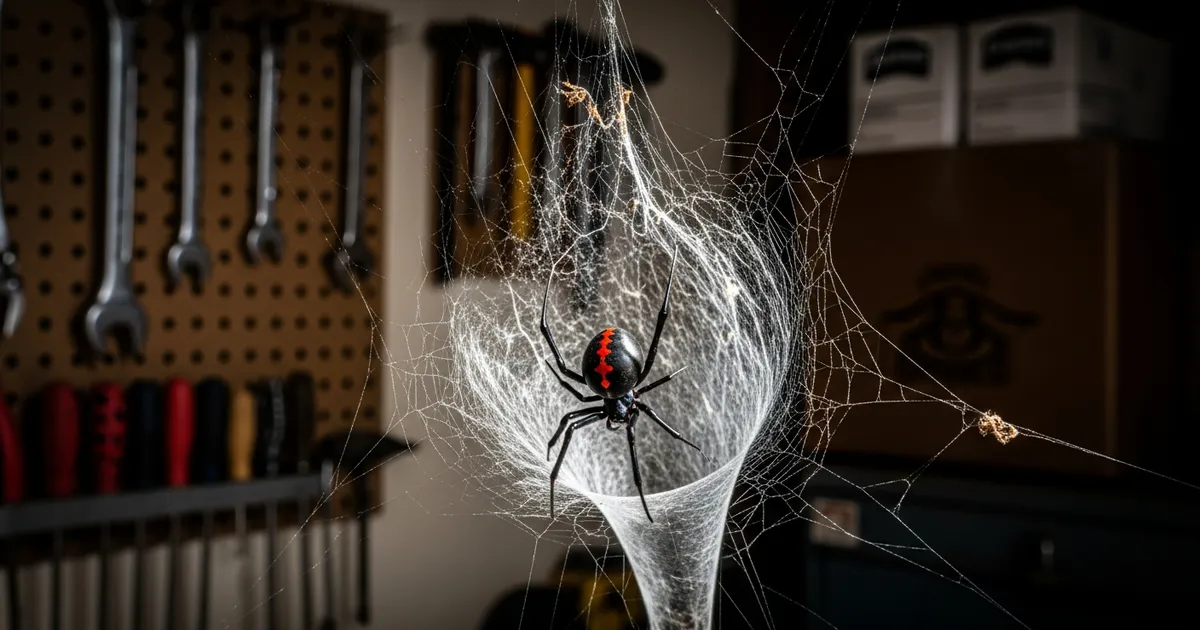
Black Widow Spiders prefer outdoor locations but occasionally establish webs in garages, sheds, and basement window wells. These spiders pose the only serious bite risk among Utah’s common species and require professional attention when found indoors.
Common House Spiders create cobwebs in corners, behind furniture, and near ceiling fixtures. They’re harmless but unsightly, feeding on small flying insects attracted to indoor lighting.
Brown recluse spiders do NOT live in Utah despite online claims. Utah State University Extension confirms that desert recluse spiders, which do live in southern Utah’s desert regions, stay outdoors and rarely bite humans.
Spider-Proofing Your Home’s Exterior
The most effective spider control starts outside your home. Creating an unwelcoming perimeter reduces the number of spiders that even attempt to enter.
Seal Entry Points
Spiders enter through surprisingly small gaps. A systematic sealing approach eliminates these access routes:
- Windows and Doors: Install weatherstripping on all exterior doors and ensure window screens have no tears. Pay special attention to basement windows, which often have gaps around frames.
- Foundation Cracks: Use silicone caulk to seal cracks wider than 1/8 inch. In areas like Park City where freeze-thaw cycles create foundation movement, inspect and re-seal annually.
- Utility Penetrations: Seal around pipes, cables, and wires entering your home with expanding foam or caulk.
- Vents and Chimneys: Install fine mesh screens over vents while maintaining proper airflow.
Manage Outdoor Lighting
Outdoor lights attract flying insects, which in turn attract spiders. Strategic lighting changes reduce this food source:
- Replace white bulbs with yellow or sodium vapor lights near entryways
- Move porch lights away from doors when possible
- Use motion sensors instead of all-night lighting
- Keep landscape lighting away from foundation walls
Eliminate Outdoor Spider Habitat
Spiders need places to hide and build webs. Removing these attracts reduces populations near your home:
- Firewood Storage: Keep firewood at least 20 feet from your home and 5 inches off the ground
- Vegetation Management: Trim bushes and tree branches to create 2-3 feet of clearance from your home’s exterior
- Debris Removal: Clear leaf piles, grass clippings, and stored materials from around your foundation
- Water Sources: Fix leaky faucets, eliminate standing water, and ensure proper drainage away from your foundation
In Utah’s dry climate, spiders are particularly drawn to moisture sources. A dripping outdoor faucet or poor drainage can create a spider magnet near your home’s foundation. Fix these water issues and you’ll see a noticeable reduction in spider activity within 2-3 weeks.
Indoor Spider Prevention Strategies
Once you’ve addressed exterior attractions, focus on making your home’s interior less hospitable to spiders. This involves eliminating food sources, reducing hiding spots, and maintaining cleanliness.
Control Indoor Insects
Spiders follow their food. Reducing indoor insect populations removes the primary reason spiders enter homes:
- Flying Insects: Use door sweeps, repair screen tears, and eliminate breeding sites like overwatered plants or damp areas
- Ants: Clean up food crumbs immediately and store pantry items in sealed containers
- Silverfish: Reduce humidity in basements and bathrooms using dehumidifiers or improved ventilation
- Carpet Beetles: Vacuum regularly and clean pet hair from furniture and carpets
Reduce Clutter and Hiding Spots
Spiders prefer undisturbed areas where they can build webs or hide. Strategic organization eliminates these preferred locations:
| Room | Spider Attractions | Prevention Actions |
|---|---|---|
| Basement | Stored boxes, dark corners, moisture | Use plastic containers, dehumidify, increase lighting |
| Garage | Stacked materials, vehicle warmth | Organize on shelves, seal containers, regular sweeping |
| Bedrooms | Under-bed storage, closet corners | Use bed risers, vacuum regularly, organize closets |
| Bathrooms | Towel piles, behind toilets | Hang towels to dry, clean weekly, seal gaps |
| Kitchen | Behind appliances, pantry corners | Pull out appliances monthly, organize pantry, clean spills |
Implement Regular Cleaning Routines
Consistent cleaning disrupts spider establishment and removes egg sacs before they hatch:
- Weekly Vacuuming: Focus on corners, baseboards, and under furniture. Vacuum visible spiders and webs immediately.
- Monthly Deep Cleaning: Move furniture to clean behind and underneath. Wipe down baseboards and window sills.
- Seasonal Organization: Rotate stored items and inspect for spider activity. Clean storage areas before putting items away.
When vacuuming spiders, the suction typically kills them, but egg sacs may survive. Immediately dispose of vacuum bags or empty bagless canisters outside your home. For extra security, sprinkle diatomaceous earth in the vacuum bag before your next cleaning session.
Natural Spider Deterrents That Actually Work
Many homeowners prefer natural approaches to spider control. While essential oils and home remedies have limited effectiveness, some natural methods provide genuine deterrent value when used correctly.
Proven Natural Methods
Diatomaceous Earth (Food Grade): Sprinkle thin lines around entry points and in corners where spiders travel. The microscopic particles damage spider exoskeletons, but results take 7-10 days. Reapply after cleaning or moisture exposure.
Sticky Traps: Place along baseboards and in corners to monitor spider activity and catch wandering individuals. Replace every 2-3 months or when full.
Regular Dusting: Simple dusting with a microfiber cloth removes small webs and disrupts spider establishment in corners and ceiling fixtures.
Essential Oil Reality Check
Peppermint, tea tree, and citrus oils may provide minor deterrent effects, but they’re not reliable spider control methods. If you choose to try essential oils:
- Mix 10-15 drops per cup of water in a spray bottle
- Reapply every 3-4 days as oils evaporate quickly
- Focus on entry points rather than entire rooms
- Combine with proven methods rather than relying solely on oils
Seasonal Spider Prevention in Utah
Utah’s distinct seasons create predictable spider behavior patterns. Timing your prevention efforts with these natural cycles improves effectiveness significantly.
Spring Preparation (March-May)
As temperatures warm, overwintering spiders become active and new spiders emerge. This is your most important prevention window:
- Inspect and seal any foundation cracks that opened during winter freeze-thaw cycles
- Clean gutters and remove organic debris from around your foundation
- Trim vegetation before it gets thick enough to harbor spiders
- Start weekly vacuuming routines in basements and storage areas
Summer Vigilance (June-August)
Peak spider activity occurs during Utah’s warm months. Maintain prevention measures and watch for new activity:
- Check outdoor lighting monthly and replace white bulbs with yellow alternatives
- Inspect firewood before bringing it indoors
- Maintain 2-3 feet of clearance between vegetation and your home
- Address any moisture problems immediately, as they attract both insects and spiders
Fall Preparation (September-November)
Many Utah spiders seek indoor shelter as temperatures drop. Intensify exclusion efforts:
- Conduct thorough exterior sealing before temperatures consistently drop below 50°F
- Move firewood to final winter storage locations away from your home
- Clean and organize storage areas before winter items go in
- Increase vacuuming frequency as spiders move indoors
Winter Maintenance (December-February)
Indoor spider activity typically decreases, but some species remain active in heated homes:
- Monitor warm areas like furnace rooms and near heat sources
- Maintain indoor humidity below 50% to reduce both spiders and their insect prey
- Continue regular cleaning in basements and storage areas
- Plan exterior improvements for spring implementation
Utah’s elevation changes create microclimates that affect spider activity timing. Homes in Park City or other high-elevation areas may see spider influxes 3-4 weeks later than Salt Lake Valley residents. Adjust your prevention timing accordingly.
When to Call Professional Spider Control
While most spider prevention can be handled by homeowners, certain situations require professional intervention for safety and effectiveness reasons.
Immediate Professional Help Needed
- Black Widow Discovery: These spiders pose genuine medical risks. Professional treatment ensures complete elimination while protecting your family.
- Large Infestations: Finding 10+ spiders weekly indicates a population that’s beyond DIY control methods.
- Recurring Problems: If spiders return within 30 days of your control efforts, underlying issues need professional diagnosis.
- Inaccessible Areas: Spider activity in crawl spaces, attics, or wall voids requires specialized equipment and expertise.
Signs You Need Professional Assessment
- Spider webs reappear within days of removal
- Multiple spider species present simultaneously
- Spiders found in multiple rooms regularly
- Evidence of large egg sacs (clusters of 100+ tiny spiders)
- Family members with spider phobias experiencing anxiety
If anyone in your home is bitten by a spider and experiences severe pain, muscle cramps, difficulty breathing, or other concerning symptoms, seek immediate medical attention. While serious spider bites are rare in Utah, black widow bites can require medical treatment.
DIY Spider Control Mistakes to Avoid
Common spider control errors often make problems worse or create new issues. Avoiding these mistakes saves time, money, and frustration.
Ineffective Approaches
- Killing Individual Spiders: Focusing on killing spiders you see doesn’t address the population or underlying attractions
- Overusing Sprays: Commercial spider sprays often just scatter spiders to new locations rather than eliminating them
- Ignoring Exterior: Indoor-only treatments fail because new spiders continue entering from outside
- Seasonal Neglect: Stopping prevention efforts during winter allows populations to rebuild unnoticed
Safety and Effectiveness Errors
- Using outdoor pesticides indoors (creates health risks)
- Mixing multiple products without understanding interactions
- Failing to identify spider species before treatment
- Neglecting to address moisture and food sources
- Expecting immediate results from gradual methods
How Green Defense Handles Utah Spider Problems
At Green Defense Pest Control, our Utah spider control program combines proven exclusion techniques with targeted treatments that protect your family and the environment. We’ve been serving Utah communities from Ogden to Nephi for years, giving us deep understanding of local spider behavior patterns and seasonal cycles.
Our Comprehensive Approach
Every spider service begins with a thorough inspection to identify spider species, locate entry points, and assess underlying attractions like moisture or insect activity. We don’t just treat symptoms – we address root causes for long-term prevention.
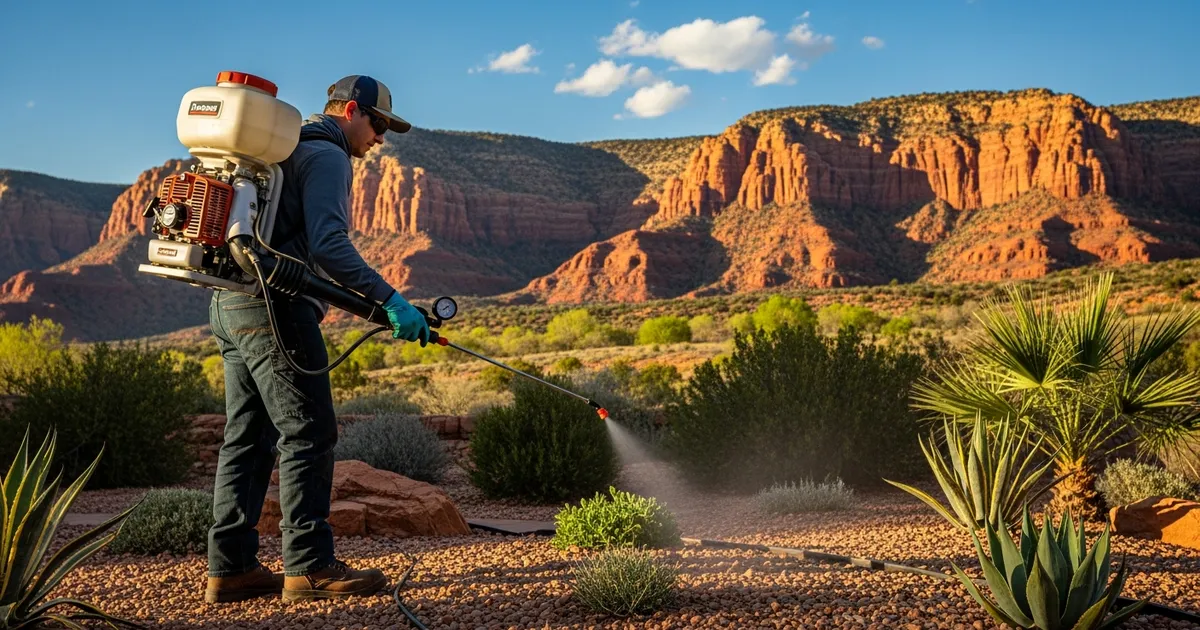
Our exterior treatment creates a protective barrier around your home’s perimeter while targeting spider hiding spots and egg-laying areas. Interior work focuses on elimination of existing populations and prevention of future establishment, using products that are safe for families and pets when applied correctly.
We provide detailed exclusion recommendations tailored to your specific home and property conditions. Many clients see 90%+ reduction in spider activity within 30 days of our comprehensive treatment.
Ongoing Protection Programs
Our quarterly service programs maintain spider-free homes year-round. Each visit includes inspection, treatment adjustment based on seasonal patterns, and preventive applications before spider activity peaks. Most Utah homeowners find quarterly service provides the best balance of effectiveness and value.
Pricing varies based on home size and spider pressure, but most residential spider control services range from $75-150 per visit. Annual programs offer significant savings compared to individual treatments.
Long-Term Spider Prevention Success
Effective spider prevention requires consistency and attention to detail, but the results are worth the effort. Homes that implement comprehensive prevention see dramatic reductions in spider activity within 4-6 weeks and maintain spider-free conditions with minimal ongoing effort.
The key is treating spider prevention as an ongoing process rather than a one-time fix. Utah’s diverse climate and geography create varying spider pressures throughout the year, making seasonal adjustments essential for continued success.
Remember that complete spider elimination isn’t always possible or desirable, as spiders do provide some benefit by controlling other insects. The goal is reducing indoor spider populations to levels that don’t interfere with your family’s comfort and peace of mind.
By combining exterior exclusion, indoor habitat modification, and professional treatments when needed, Utah homeowners can enjoy spider-free living spaces year-round. Start with the exterior sealing and cleanup steps, maintain consistent indoor cleaning routines, and don’t hesitate to call professionals when DIY efforts aren’t providing adequate control.