
Every fall, Utah homeowners from Ogden to Nephi face the same frustrating sight: thousands of red and black box elder bugs clustering on their home’s sunny exterior walls. These harmless but persistent insects become a major nuisance when they find their way indoors, seeking warm places to spend Utah’s cold winter months.
Understanding box elder bug behavior and implementing the right prevention strategies can save you from dealing with indoor infestations that can last until spring. The key is timing your prevention efforts correctly and focusing on the specific conditions that attract these bugs to Wasatch Front homes.
Understanding Box Elder Bugs in Utah
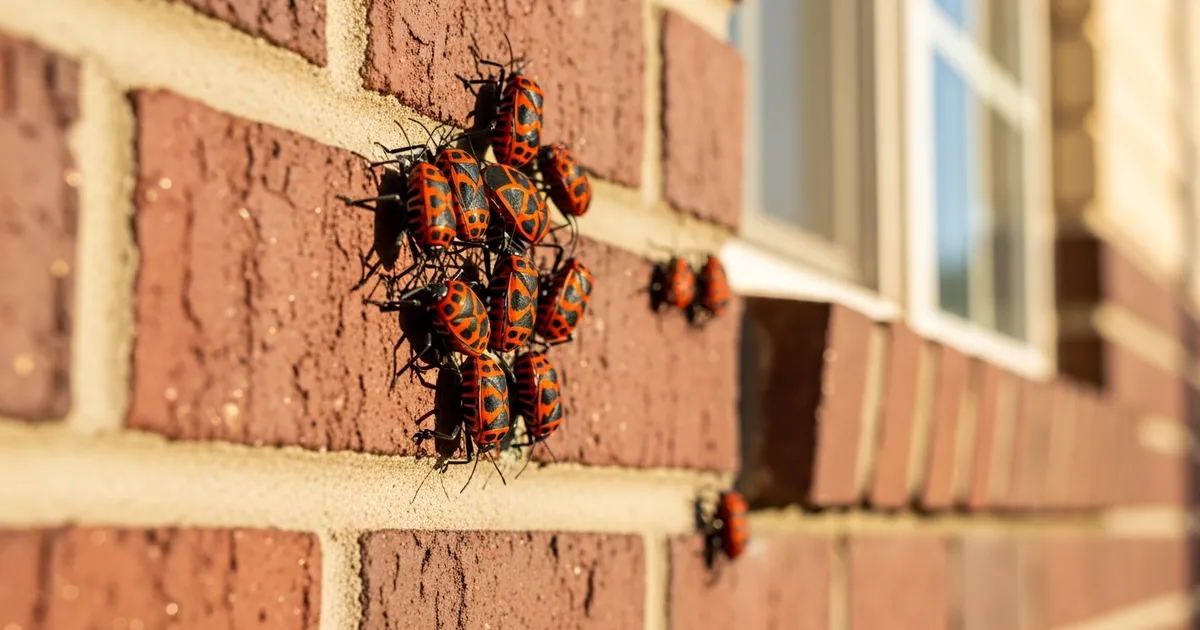
Box elder bugs are Utah’s most predictable fall pest, appearing like clockwork when daytime temperatures hover around 60-70°F and nighttime temps drop into the 40s. Adult box elder bugs measure about 0.5 inches long with distinctive red markings on their black bodies, making them easy to identify among other fall insects.
These insects complete their life cycle on box elder trees (Acer negundo), which are abundant throughout Utah’s urban corridors from Salt Lake City to Provo. Female box elder trees produce the seeds that serve as the primary food source, making properties with mature female box elders prime targets for large populations.
Box elder bugs pose no health risks to humans or pets. They don’t bite, sting, or damage property. However, when crushed, they emit a strong odor and can stain fabrics with their red-orange body fluids. Large indoor populations create significant nuisance issues, especially when they become active on warm winter days.
Why Utah Homes Are Particularly Vulnerable
Utah’s unique geography and climate create perfect conditions for box elder bug problems. The Wasatch Front’s urban forest contains thousands of planted box elder trees, originally chosen for their drought tolerance and fast growth. Additionally, Utah’s temperature swings – warm days followed by cold nights – trigger the bugs’ overwintering behavior.
Homes in neighborhoods like Sugarhouse, Murray, West Jordan, and Bountiful often experience the heaviest infestations due to mature landscaping with established box elder trees. The combination of south-facing slopes, urban heat islands, and abundant host trees creates ideal conditions for population booms.
Box elder bugs are most active between 10 AM and 4 PM on sunny days above 50°F. Schedule your exterior prevention treatments during cooler morning hours (7-9 AM) when bugs are sluggish and concentrated in their overnight hiding spots.
Identifying Box Elder Bug Activity Patterns
Successful prevention starts with understanding when and where box elder bugs appear on your property. In Utah, adult box elder bugs emerge from their overwintering sites in April and May, coinciding with box elder tree leaf emergence.
During summer months, box elder bugs remain largely unnoticed, feeding and reproducing in tree canopies. The first generation reaches maturity in July, followed by a second generation in late August. It’s this second generation that creates fall infestations as they seek overwintering sites.
Fall Aggregation Timeline
Box elder bug fall activity follows a predictable schedule in Utah:
- Late August: Adults begin moving from trees toward potential overwintering sites
- Early September: Small clusters appear on warm exterior surfaces
- Mid-September: Peak aggregation period with thousands clustering on south and west walls
- Early October: Bugs begin entering structures through cracks and gaps
- Late October: Activity decreases as temperatures drop consistently below 40°F
Understanding this timeline allows you to time prevention efforts for maximum effectiveness. The critical window for exterior treatments is August 20th through September 15th, before large-scale aggregations form.
Preferred Aggregation Sites
Box elder bugs show strong preferences for specific microhabitats around homes:
- South and southwest-facing walls that receive maximum daily sun exposure
- Light-colored surfaces that reflect heat (vinyl siding, stucco, concrete)
- Protected areas near ground level, such as foundation plantings
- Window wells, especially those facing south
- Areas where different building materials meet, creating temperature variations
Comprehensive Exterior Prevention Strategies
Effective box elder bug prevention focuses on making your home’s exterior less attractive for aggregation and eliminating entry points before bugs begin their fall migration. Start these efforts in mid-August for best results.
Sealing Entry Points
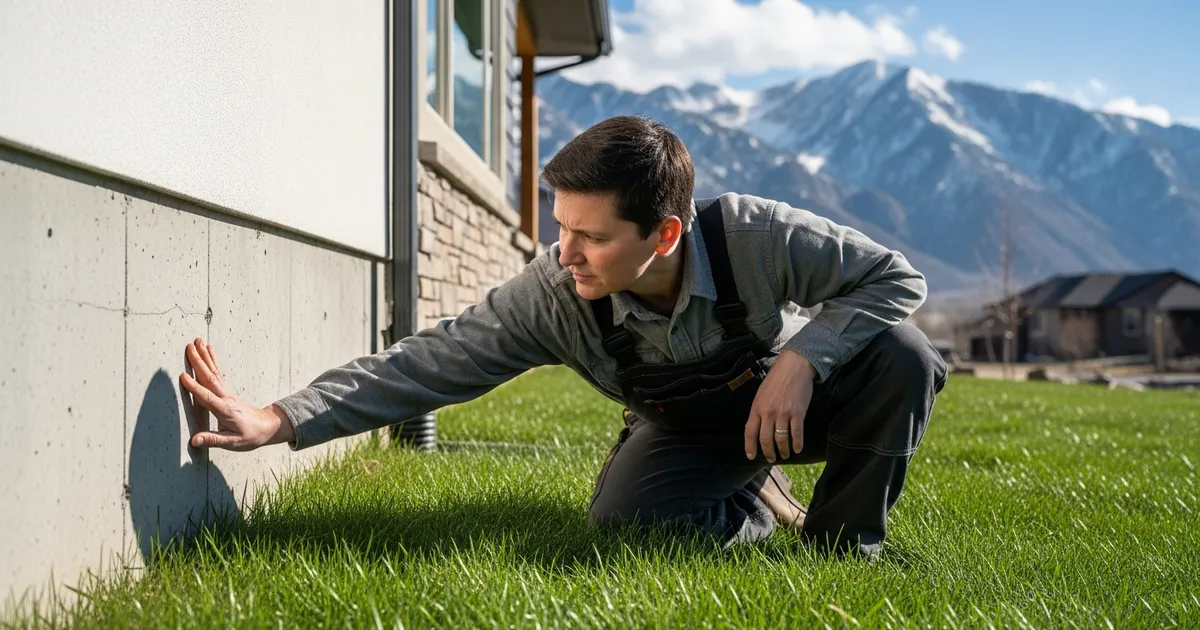
Box elder bugs can squeeze through surprisingly small gaps – cracks as narrow as 1/8 inch provide easy access. Conduct a thorough exterior inspection focusing on these common entry points:
Windows and Doors: Check weatherstripping around all windows and doors. Replace worn weatherstripping and caulk gaps around window frames. Pay special attention to basement windows, which are often overlooked but provide direct access to comfortable overwintering areas.
Siding and Foundation: Inspect where siding meets the foundation for gaps or cracks. Use exterior-grade caulk to seal openings, paying attention to areas where utilities enter the home. Don’t forget to check around outdoor faucets, gas meters, and electrical connections.
Roof and Attic Access: Examine soffit vents, ridge vents, and areas where roof lines meet walls. Install or repair screens on vents, ensuring mesh size is fine enough (16-18 mesh) to exclude box elder bugs.
Use a bright flashlight during your inspection – box elder bugs often hide in shadows during the day. Look for small gaps where two different materials meet, as these areas expand and contract with temperature changes, creating entry points.
Exterior Treatment Applications
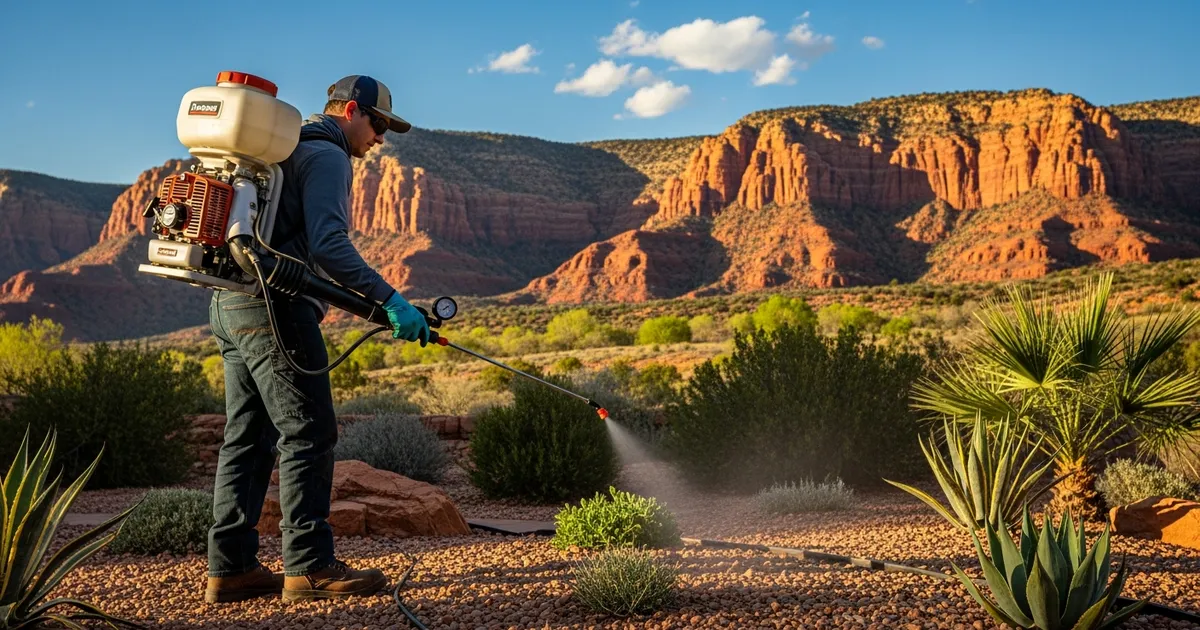
Professional-grade perimeter treatments create a barrier that prevents box elder bugs from establishing aggregation sites near your home. These treatments are most effective when applied in late August, before peak aggregation begins.
Focus treatment areas on:
- South and west-facing foundation areas up to 3 feet high
- Around windows and doors on sunny exposures
- Areas where bugs have clustered in previous years
- Vegetation within 10 feet of the home’s foundation
Residual treatments provide 4-6 weeks of protection, covering the critical aggregation period. Reapplication may be necessary during extended warm periods or if heavy rains occur within 24 hours of treatment.
Landscape Modifications for Long-Term Control
The most effective long-term strategy for reducing box elder bug populations involves modifying your landscape to eliminate or reduce breeding sites. This approach requires planning but provides lasting results.
Box Elder Tree Management
Female box elder trees are the primary source of box elder bug problems. These trees produce the seeds that sustain bug populations throughout their development. Identifying and managing these trees significantly reduces local populations.
Box elder trees are easily identified by their compound leaves with 3-5 leaflets and distinctive winged seeds (samaras) produced by female trees in fall. Male trees don’t produce seeds and support far fewer bugs.
Tree Removal: Removing female box elder trees within 100 feet of your home eliminates the primary breeding site. This is most practical for younger trees (under 20 feet tall). For mature trees, consult a certified arborist about removal costs and permits required by your city.
Alternative Tree Selection: When replanting, choose native Utah species like Gambel oak, bigtooth maple, or Utah serviceberry. These trees provide similar shade and screening benefits without supporting box elder bug populations.
Creating Buffer Zones
If removing box elder trees isn’t feasible, create buffer zones between trees and your home using plants that don’t attract box elder bugs:
- Shrub Barriers: Plant dense shrubs like juniper, barberry, or lilac 15-20 feet from your home’s foundation
- Ground Cover: Use low-growing plants like creeping phlox or sedum instead of mulch near the foundation
- Gravel Strips: Install 3-foot wide gravel strips against south-facing walls to reduce moisture and eliminate hiding spots
| Prevention Method | Effectiveness | Cost Range | Duration | Best Timing |
|---|---|---|---|---|
| Exterior Caulking | High | $50-150 DIY | 3-5 years | August-September |
| Professional Treatment | Very High | $150-300 | 4-6 weeks | Late August |
| Tree Removal | Excellent | $500-2000 | Permanent | Any season |
| Weatherstripping | Moderate | $75-200 | 2-3 years | Before September |
| Landscape Modification | High | $300-1500 | Long-term | Spring/Fall |
Interior Prevention and Management
Despite best exterior prevention efforts, some box elder bugs may still find their way indoors. Preparing your home’s interior and knowing how to handle indoor discoveries prevents small problems from becoming major infestations.
Indoor Sealing Strategies
Focus interior sealing efforts on areas where box elder bugs typically enter from wall voids and overwintering sites:
Baseboards and Trim: Caulk gaps between baseboards and walls, especially along exterior walls. Box elder bugs often emerge from wall voids through these openings during warm winter days.
Electrical Outlets: Install foam gaskets behind electrical outlet covers on exterior walls. These small gaps provide easy access from wall voids into living spaces.
Light Fixtures: Seal around ceiling light fixtures, particularly those on exterior walls where bugs may have entered through soffit areas.
Safe Indoor Removal Methods
When box elder bugs appear indoors, proper removal prevents staining and odor issues:
Vacuum Method: Use a vacuum cleaner with a hose attachment to remove live bugs. Empty the vacuum bag or canister immediately and dispose of contents in sealed plastic bags. Clean the vacuum afterward to remove any residual odor.
Soapy Water: For small numbers, sweep bugs into a dustpan and drop them into soapy water. This method kills bugs quickly without crushing them.
Never crush box elder bugs indoors. Crushing releases orange-red staining fluids that can permanently mark carpets, fabrics, and wallpaper. The strong odor can persist for days and may attract additional bugs.
Timing Your Prevention Efforts
Success with box elder bug prevention depends heavily on timing your efforts to match the insects’ behavior patterns. Understanding Utah’s specific climate patterns helps optimize prevention timing.
Critical Prevention Calendar
August 15-31: This is your primary prevention window. Apply exterior perimeter treatments, complete exterior sealing projects, and begin monitoring for early aggregations. Temperatures are still warm enough for treatments to be effective, but bugs haven’t yet formed large clusters.
September 1-15: Peak aggregation period requires vigilant monitoring. If you missed August treatments, early September is your last chance for effective exterior control. Focus on areas where clustering is already visible.
September 16-30: Transition to defensive strategies. Continue sealing efforts but focus on indoor prevention. Large exterior populations are established and harder to treat effectively.
October 1-31: Monitor for indoor activity and implement removal strategies. Exterior treatments are less effective as bugs become less active and weather conditions limit application opportunities.
Weather-Dependent Timing
Utah’s variable fall weather affects box elder bug activity and treatment timing:
Warm, Sunny Days: Box elder bugs are most active and vulnerable to treatments. Schedule professional applications during these conditions for maximum effectiveness.
Cold Snaps: Bugs become sluggish and hide in protected areas. Use these periods for sealing and exclusion work when bugs aren’t actively moving.
Rainy Weather: Avoid exterior treatments during or immediately before rain. Treatments need 24 hours to dry for full effectiveness.
Keep a simple log of when box elder bugs appear on your property each year. Utah’s microclimates can shift timing by 1-2 weeks between locations. Your personal observations provide better timing guidance than general recommendations.
Common Prevention Mistakes to Avoid
Many Utah homeowners make the same mistakes when dealing with box elder bugs, reducing their prevention efforts’ effectiveness. Learning from these common errors saves time and money.
Timing Errors
Waiting Too Long: The most common mistake is waiting until large aggregations are visible before taking action. By mid-September, exterior populations are established and much harder to control.
Inconsistent Annual Efforts: Box elder bugs have excellent site fidelity, returning to the same areas year after year. Skipping prevention one year allows populations to rebuild, requiring more intensive efforts the following season.
Treatment Application Mistakes
Inadequate Coverage: Many homeowners under-treat by focusing only on areas where bugs are currently visible. Effective prevention requires treating all potential aggregation sites, not just current hot spots.
Wrong Product Selection: Using indoor insect sprays on exterior aggregations often scatters bugs rather than eliminating them. These products lack the residual activity needed for effective exterior prevention.
Sealing Oversights
Incomplete Inspections: Focusing only on obvious gaps while missing subtle entry points reduces sealing effectiveness. Box elder bugs exploit very small openings that are easily overlooked.
Using Wrong Materials: Standard indoor caulk breaks down quickly under Utah’s UV exposure and temperature extremes. Always use exterior-grade sealants for outdoor applications.
How Green Defense Handles Box Elder Bug Prevention
At Green Defense Pest Control, we’ve refined our box elder bug prevention program through years of experience with Utah’s unique conditions. Our approach combines scientific understanding of box elder bug behavior with practical knowledge of Wasatch Front housing and landscaping.
Our comprehensive prevention service includes a detailed exterior inspection identifying all potential entry points and aggregation sites. We focus particularly on south and west exposures where Utah’s intense sun creates the warm microclimates box elder bugs prefer.
Treatment applications use professional-grade products with 4-6 week residual activity, timed to Utah’s specific box elder bug emergence patterns. We treat foundation areas, window frames, door surrounds, and other critical zones where bugs typically aggregate before attempting entry.
Our sealing recommendations prioritize the most critical entry points based on your home’s specific construction and orientation. We provide detailed instructions for DIY sealing projects and can recommend trusted contractors for larger exclusion work.
Follow-up services ensure protection throughout the critical fall period. If breakthrough activity occurs, we return for additional treatments at no extra charge. Our prevention service typically costs $180-220 for average Utah homes, with pricing varying based on property size and infestation history.
We also provide landscape consultation for homeowners interested in long-term population reduction through host tree management and strategic plantings.
Regional Considerations for Utah Locations
Box elder bug pressure varies significantly across Utah’s diverse landscapes and elevations. Understanding your specific area’s conditions helps tailor prevention efforts for maximum effectiveness.
Wasatch Front Urban Areas
Cities from Ogden to Provo experience the heaviest box elder bug pressure due to extensive urban forestry with mature box elder trees. Neighborhoods like Liberty Wells in Salt Lake City, downtown Murray, and older areas of Bountiful face annual infestations.
These areas benefit most from comprehensive exterior treatments and aggressive sealing efforts. The urban heat island effect extends the active season, requiring vigilance through early October.
Foothill Communities
Communities like Millcreek, Cottonwood Heights, and Draper along the mountain foothills experience earlier and more intense box elder bug activity. South-facing slopes amplify solar heating, creating ideal aggregation conditions.
Higher elevation areas may see activity begin in late August, requiring earlier prevention timing. Snow cover typically ends box elder bug activity sooner than valley floor locations.
Utah County Considerations
Utah County communities from American Fork to Santaquin face unique challenges due to agricultural landscapes mixed with suburban development. Box elder trees in irrigation ditches and field borders create large regional populations.
Rural-suburban interface properties often experience waves of box elder bugs migrating from agricultural areas, requiring more intensive exterior barrier treatments.
Long-Term Population Management
Effective box elder bug management extends beyond immediate prevention to long-term population reduction strategies. These approaches require patience but provide lasting results.
Community-Wide Approaches
Box elder bug problems are often neighborhood-wide issues requiring coordinated responses. Working with neighbors on tree management and synchronized treatments provides better results than individual efforts.
Many Utah neighborhoods have successfully reduced box elder bug pressure through organized removal of female box elder trees from common areas and coordinated replacement with alternative species.
Monitoring and Documentation
Keep records of box elder bug activity patterns on your property. Note first appearance dates, peak aggregation timing, and weather conditions. This information helps refine timing for future prevention efforts.
Document which prevention methods work best for your specific situation. Utah’s diverse housing stock and microclimates mean strategies that work in one location may need modification for another.
Professional vs. DIY Prevention
Deciding between professional treatment and DIY approaches depends on several factors specific to your situation and comfort level with pest control methods.
When to Choose Professional Treatment
Professional treatment is recommended for:
- Properties with history of severe infestations (thousands of bugs)
- Homes with complex architecture making thorough treatment difficult
- Situations where previous DIY efforts have been unsuccessful
- Homeowners uncomfortable with exterior treatment applications
- Properties near large box elder tree populations requiring intensive treatments
Effective DIY Strategies
DIY prevention can be effective for:
- Smaller properties with manageable exterior areas
- Situations where sealing and exclusion are the primary needs
- Follow-up maintenance after professional initial treatment
- Properties with light to moderate historical infestations
Success with DIY approaches requires careful attention to timing, thorough application coverage, and realistic expectations about treatment effectiveness compared to professional methods.