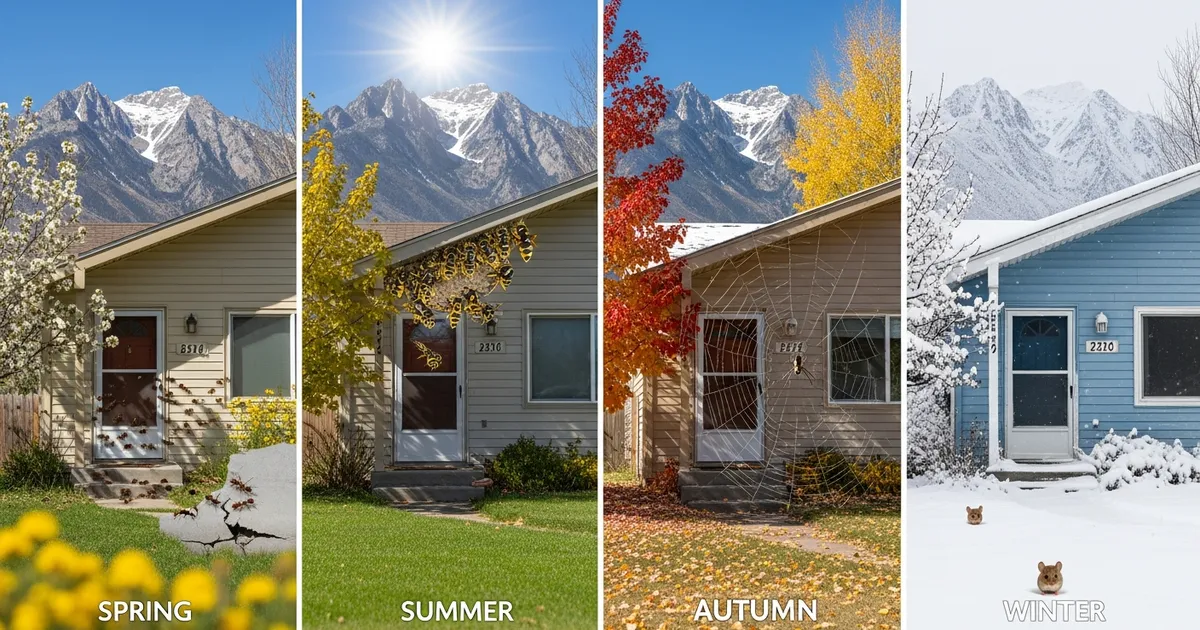

Utah’s dramatic seasonal changes along the Wasatch Front create unique pest challenges that shift dramatically from the snowy peaks of Park City to the warmer valleys of Salt Lake and Utah Counties. Understanding when pests are most active helps you stay ahead of infestations before they become costly problems.
This comprehensive calendar covers the specific pest patterns we see from Ogden to Nephi, with timing adjustments for elevation differences that can shift pest activity by 2-4 weeks between mountain communities and valley floors.
Spring Pest Activity (March – May)
Spring brings the most dramatic pest emergence in Utah. As snow melts and temperatures consistently hit 50°F, overwintering insects begin their annual awakening.
Box Elder Bugs: The Spring Emergence
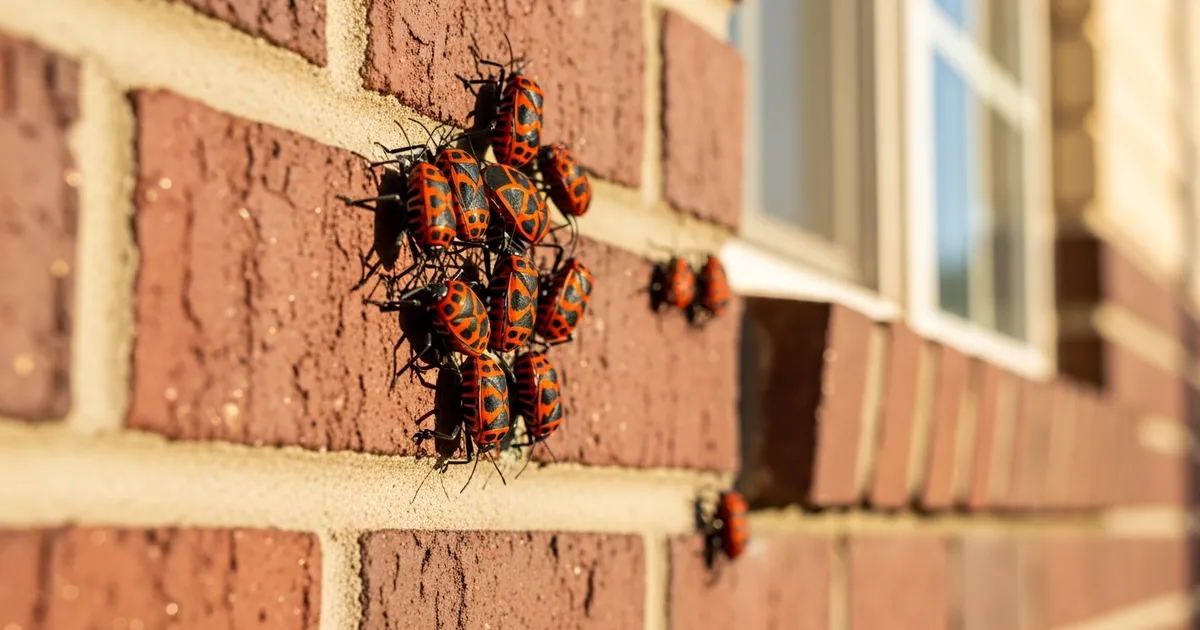
Box elder bugs emerge from their winter hiding spots when daytime temperatures reach 50°F for 3-5 consecutive days. In Salt Lake Valley, this typically happens mid-March. Higher elevations like Park City and Heber see emergence 2-3 weeks later.
These bugs don’t reproduce indoors, so spring emergence represents last fall’s population seeking mates and food sources. They’re drawn to female box elder trees and maple trees for feeding and reproduction.
- Peak emergence: Mid-March to early April (valley areas)
- Duration: 4-6 weeks of high activity
- Key prevention: Seal exterior cracks and crevices now, before summer heat drives them back to buildings
Spider Activity Begins
Common Utah spiders like wolf spiders and house spiders become active as soil temperatures warm above 45°F. Desert recluse spiders in southern Utah counties start their hunting season, though they’re not found in the Wasatch Front region.
Most spring spider activity happens outdoors as they hunt emerging insects. Indoor spider problems usually indicate other pest issues that are attracting them.
April is the perfect time to remove spider webs from home exteriors. Spiders won’t rebuild in the same spots if you eliminate them before they establish territories.
Rodent Movement Patterns
Spring rodent activity focuses on territory expansion as young mice and rats from winter litters seek new nesting sites. This creates increased activity around homes, especially in areas with mature landscaping.
Vole damage becomes visible as snow melts, revealing tunnel systems in lawns. These surface tunnels indicate active populations that may move toward structures if food sources become scarce.
Early Ant Activity
Pavement ants and little black ants begin foraging when soil temperatures reach 55°F consistently. Initial activity is light, focused on protein sources to feed developing larvae in colonies.
Scout ants appear first, leaving pheromone trails that lead to major infestations if food sources are found. Spring is crucial for preventing summer ant problems.
Summer Pest Peak Season (June – August)
Summer represents peak pest activity across the Wasatch Front. Hot, dry conditions drive pests toward water sources and air-conditioned buildings.
Spider Population Explosion
July and August bring peak spider activity. Black widow spiders become most active during evening hours when temperatures drop below 85°F. They’re commonly found in irrigation boxes, outdoor furniture, and cluttered storage areas.
Wolf spiders and jumping spiders hunt actively during cooler morning and evening hours. House spider reproduction peaks, leading to visible web-building in corners and undisturbed areas.
Black widow spider bites require immediate medical attention. These spiders are common throughout Utah and can cause serious medical complications, especially in children and elderly individuals.
Ant Colonies at Full Strength
Summer ant activity peaks between July and early August when colonies reach maximum population. Pavement ants become aggressive around food sources, and carpenter ants expand into wooden structures if moisture is present.
Hot weather drives ants indoors seeking water. Kitchen and bathroom invasions are most common during heat waves when outdoor water sources evaporate.
| Ant Type | Peak Activity | Primary Attractant | Treatment Window |
|---|---|---|---|
| Pavement Ants | June-August | Sweet foods, water | Early June prevention |
| Little Black Ants | July-September | Protein, grease | Late June treatment |
| Carpenter Ants | May-September | Moisture, wood decay | Spring moisture control |
Box Elder Bug Summer Behavior
Summer box elder bugs focus on reproduction and feeding. Adult populations peak in July, with new generation emerging in August. They remain primarily outdoors unless extreme heat drives them to seek cooler shelter.
Rodent Behavior Changes
Summer rodent activity shifts to early morning and late evening hours. Mice and rats seek water sources, making irrigation systems and pet water dishes primary attractants.
Outdoor populations remain stable unless drought conditions force movement toward buildings. Property maintenance becomes crucial for preventing fall invasions.
Install door sweeps and weather stripping during summer when you’re not actively using heating or cooling systems. This preparation prevents fall pest invasions when weather drives them indoors.
Fall Invasion Season (September – November)
Fall represents the most critical pest control season in Utah. Temperature drops trigger massive migration toward winter shelter, making prevention efforts during these 10-12 weeks essential for winter comfort.
Box Elder Bug Fall Invasion
The first overnight freeze, typically occurring between October 15-November 1 in the Salt Lake Valley, triggers massive box elder bug movement toward buildings. These invasions can involve thousands of bugs seeking warm exterior walls and entry points.
South and west-facing walls receive afternoon sun, making them primary congregation areas. Bugs cluster in large numbers before finding cracks, gaps, and openings to enter structures.
- Pre-invasion period: September 15 – October 15
- Peak invasion: First hard freeze through November
- Critical prevention window: Early September sealing and treatment
Rodent Winter Preparation
Rodent invasions begin when nighttime temperatures consistently drop below 45°F. In Utah, this typically occurs in early November in valley areas and mid-October at higher elevations.
Mice can squeeze through openings as small as 1/4 inch, while rats need gaps of 1/2 inch. Fall sealing efforts must address these tiny entry points around foundation areas, utility penetrations, and garage doors.
Single mice can produce 6-10 litters annually with 4-8 young each. Fall prevention prevents exponential winter population growth inside structures.
Spider Winter Shelter Seeking
September spider activity increases as they seek protected overwintering sites. Many species die with first hard frost, but pregnant females and hardy species move toward buildings.
Basement and crawl space spider populations increase during October as outdoor spiders seek frost protection. Most remain dormant through winter but emerge early in spring.
Late Season Ant Activity
Ant colonies prepare for winter by moving deeper underground and reducing surface activity. However, warm fall days can trigger renewed foraging, especially around heating system areas where ground temperatures remain elevated.
Winter Pest Management (December – February)
Winter pest control in Utah focuses on managing indoor populations and preventing cold-weather damage that creates entry points for next year’s pest problems.
Indoor Box Elder Bug Management
Box elder bugs that successfully invaded during fall remain dormant in wall voids, attics, and other protected areas. Warm winter days or heated indoor areas can trigger temporary activity.
Vacuum removal is the preferred control method for winter box elder bug activity. Chemical treatments indoors can cause more bugs to emerge from hiding spots.
Rodent Population Control
Winter represents peak indoor rodent reproduction. Mice can breed year-round in heated buildings, with gestation periods of only 21 days. A single pair can produce 200+ offspring annually under ideal conditions.
Rodent control requires multiple approaches: exclusion, trapping, and elimination of food sources. Snap traps remain the most effective control method for small populations.
Rodent droppings can carry serious diseases including Hantavirus. Always wear gloves and masks when cleaning rodent-contaminated areas, and disinfect thoroughly with bleach solution.
Spider Winter Dormancy
Most Utah spiders enter winter dormancy, but house spiders remain active in heated buildings. Winter spider activity usually indicates adequate food sources from other pests.
Basement and crawl space spiders may emerge during warm spells but generally remain hidden until spring temperatures return.
Preparation for Next Season
Winter months provide optimal time for structural improvements that prevent next year’s pest problems. Cold weather makes exterior sealing work more challenging but essential.
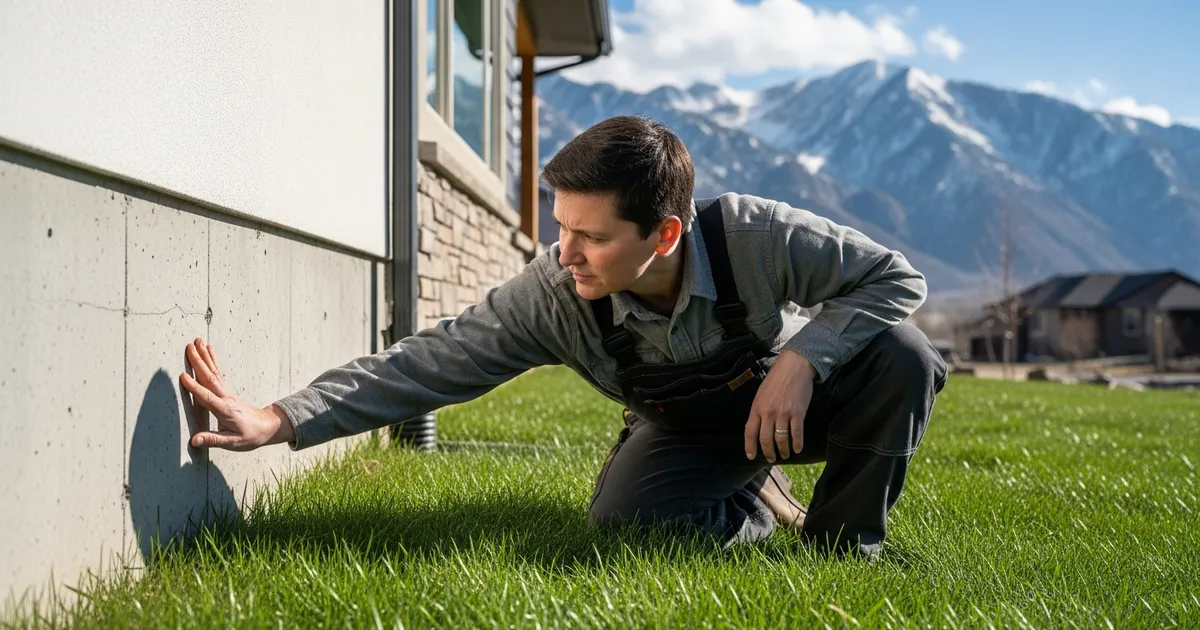
- Inspect and seal foundation cracks
- Replace damaged weather stripping
- Install door sweeps and threshold seals
- Repair damaged screens and vents
- Plan landscaping changes to reduce pest habitat
Elevation and Microclimate Considerations
Utah’s diverse elevation changes create significant timing variations for pest activity. Understanding these differences helps homeowners in mountain communities and valley areas adjust their prevention strategies.
High Elevation Areas (Above 5,500 feet)
Communities like Park City, Heber, and mountain areas of Salt Lake and Utah Counties experience delayed pest seasons. Spring emergence occurs 2-3 weeks later than valley floors, while fall invasions happen 1-2 weeks earlier due to earlier freezes.
Valley Floor Timing (Below 4,500 feet)
Salt Lake Valley, Ogden, and Provo areas follow the standard timing outlined in this calendar. These areas experience the longest active pest seasons and highest population densities.
Transitional Zones (4,500-5,500 feet)
Areas like Bountiful foothills, Millcreek, and Cottonwood communities experience timing that falls between valley and mountain patterns. Local observation becomes crucial for timing prevention efforts.
Track first and last frost dates for your specific location using Utah Climate Center data. These dates predict pest activity timing more accurately than general regional forecasts.
Monthly Action Checklist
This detailed checklist provides specific actions for each month, helping Utah homeowners stay ahead of seasonal pest pressures.
January-February: Planning and Preparation
- Inspect for winter rodent activity and address immediately
- Plan exterior sealing projects for spring
- Remove indoor spider webs and vacuum regularly
- Check stored items for pest damage
March-April: Spring Prevention
- Seal exterior cracks before box elder bug emergence
- Install or replace door sweeps and weather stripping
- Remove debris and clutter from around home foundation
- Trim vegetation away from exterior walls
May-June: Early Season Treatment
- Apply perimeter treatments before ant colonies expand
- Remove spider webs from exterior areas
- Address moisture issues that attract pests
- Install screens and repair damaged ones
July-August: Peak Season Management
- Maintain consistent exterior treatments
- Eliminate standing water sources
- Keep kitchen and dining areas meticulously clean
- Inspect and maintain exclusion barriers
September-October: Critical Prevention Period
- Apply fall perimeter treatments before invasions begin
- Complete final sealing projects
- Remove box elder trees or treat them preventively
- Install door sweeps and check garage door seals
November-December: Final Preparations
- Address any breakthrough pest activity immediately
- Complete exterior sealing projects
- Set up monitoring systems for winter pest activity
- Plan next year’s prevention strategy
How Green Defense Handles Seasonal Pest Control
Green Defense’s Utah seasonal program addresses the unique timing and pest pressures specific to the Wasatch Front region. Our approach combines preventive treatments timed to local pest emergence patterns with rapid response for seasonal invasions.
Our spring service focuses on creating barriers before pest emergence, while summer treatments maintain protection during peak activity periods. Fall services emphasize invasion prevention, and winter visits address any breakthrough activity.
Treatment timing adjusts for elevation differences, ensuring mountain communities receive services aligned with their specific pest calendars. Our technicians monitor local weather patterns and adjust service timing based on actual pest activity rather than calendar dates.
Seasonal programs typically range from $150-300 per service, with most homeowners choosing quarterly treatments that align with major seasonal transitions. Custom programs address specific pest pressures and property characteristics.
Each service includes exterior treatment, exclusion recommendations, and interior treatment when needed. We provide detailed reports showing treatment areas and recommendations for maintaining pest-free conditions between services.