

Living in Central Florida means dealing with pests year-round. Unlike northern states where winter freezes provide natural pest control, our subtropical climate in Orlando, Deltona, Daytona, and Palm Coast keeps bugs, rodents, and other unwanted visitors active all 12 months.
Understanding when specific pests peak helps you stay ahead of infestations. This month-by-month guide covers what to expect and when to take action across Volusia, Orange, and Flagler counties.
January: Winter’s False Sense of Security
January brings Central Florida’s coolest temperatures, but don’t let the 50-70°F range fool you. Many pests remain active indoors where temperatures stay comfortable.
Active Pests in January:
- German Cockroaches: Peak indoor activity as they seek warm kitchens and bathrooms
- House Mice: Continue breeding indoors (21-day gestation cycle means new litters monthly)
- Carpenter Ants: Active in wall voids and attics where temperatures remain stable
- Spiders: Common house spiders and cellar spiders maintain populations indoors
- Silverfish: Thrive in humid bathrooms and laundry rooms
January is prime time for indoor pest prevention. Seal cracks around windows and doors, eliminate moisture sources, and maintain clean kitchens. The cooler weather makes this an ideal month for exterior perimeter treatments that won’t immediately break down in intense heat.
January’s cooler temperatures make it the perfect time to seal exterior cracks and crevices. Caulk and weatherstripping applied now will be fully cured before summer heat causes expansion and contraction.
February: Rodent Reproduction Ramps Up
February temperatures begin climbing into the 60-80°F range, triggering increased activity in several pest groups. This month marks the beginning of spring preparation for many species.
Peak Activity in February:
- Roof Rats: Begin increased reproduction as daylight hours lengthen
- Argentine Ants: Start expanding colonies as temperatures warm
- Subterranean Termites: Begin pre-swarm preparation underground
- Pantry Pests: Increase activity in stored food products
February pest control focuses on rodent exclusion and early termite monitoring. Install bait stations before populations peak, and schedule termite inspections to catch early warning signs.
March: The Great Termite Awakening
March brings Central Florida’s first major pest season: termite swarming. Temperature swings and spring rains create perfect conditions for reproductive flights.
March Pest Priorities:
- Subterranean Termites: Begin swarming flights on warm, humid days after rain
- Drywood Termites: Start swarming activity (peaks in May)
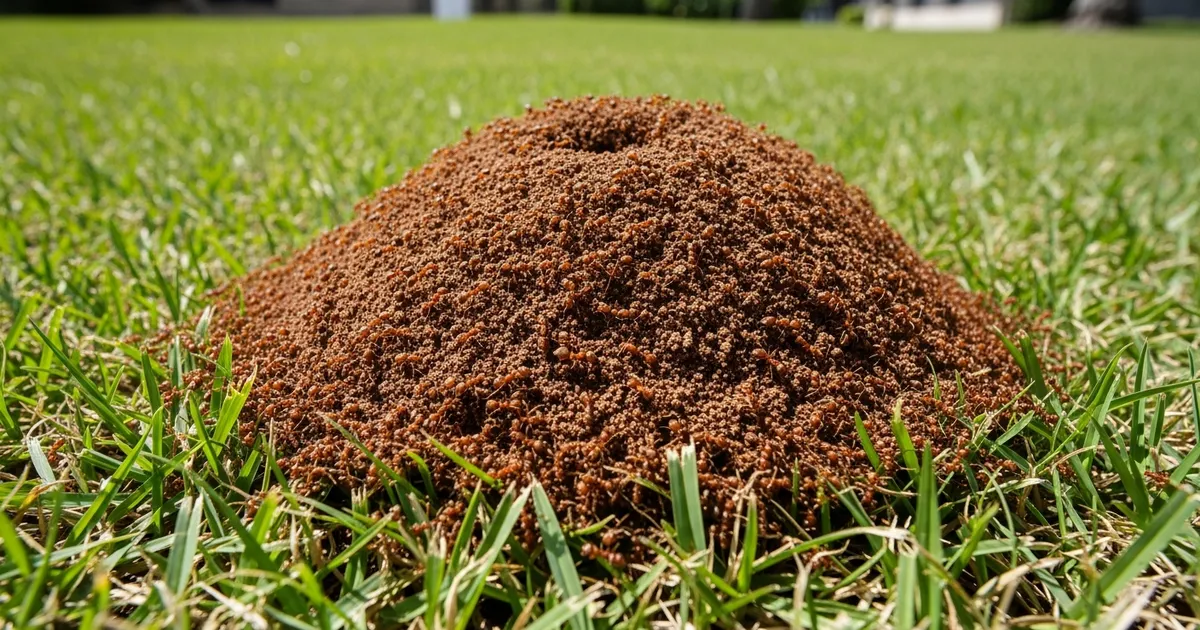
- Fire Ants: Resume aggressive foraging as temperatures rise
- Fleas: Begin reproducing outdoors as pet activity increases
- Ticks: Emerge from winter dormancy in wooded areas
March requires vigilant termite monitoring. Check for mud tubes, discarded wings near windows, and hollow-sounding wood. Professional termite inspections catch problems before major damage occurs.
Never ignore termite swarmers around your home. A single swarm can contain thousands of reproductive termites looking to establish new colonies. Contact a professional within 24-48 hours of spotting swarmers.
April: Spring Awakening Accelerates
April’s consistent 70-85°F temperatures trigger widespread pest activity. Spring rains create breeding sites while warming soils activate ground-dwelling species.
April Activity Surge:
- Mosquitoes: Begin breeding in standing water from spring rains
- Love Bugs: First swarm of the year (peaks late April/early May)
- Chinch Bugs: Damage St. Augustine grass as temperatures rise
- Mole Crickets: Begin surface activity and mating flights
- Wasps and Yellow Jackets: Queens emerge to establish new colonies
April pest control emphasizes yard management and standing water elimination. Clean gutters, empty plant saucers, and maintain proper lawn irrigation to reduce breeding sites.
May: Peak Termite Season and Growing Pressure
May represents peak swarming season for multiple termite species. Temperatures consistently reach 80-90°F while humidity levels climb, creating ideal conditions for reproduction.
May Pest Peak:
- Drywood Termites: Peak swarming period (especially after rain)
- Formosan Termites: Begin aggressive swarming flights
- Ghost Ants: Colony reproduction accelerates
- Whiteflies: Population explosion on ornamental plants
- Thrips: Damage flowers and vegetables in gardens
May requires comprehensive termite protection and landscape pest management. Professional treatments applied now prevent summer infestations when pest pressure peaks.
June: Summer Heat Brings Peak Activity
June marks the beginning of Central Florida’s peak pest season. Temperatures reaching 85-95°F combined with daily afternoon storms create perfect conditions for rapid reproduction.
June Pest Explosion:
- German Cockroaches: Reach peak reproduction (39-day life cycle)
- American Cockroaches: Increase outdoor activity and indoor invasion
- Fire Ants: Aggressive foraging and new mound construction
- Mosquitoes: Peak breeding season begins
- No-See-Ums: Emerge in massive numbers near water
June requires intensive pest management. Monthly treatments become essential as reproduction rates accelerate. Focus on moisture control and exterior barriers to prevent indoor invasions.
June’s heat makes early morning (6-8 AM) or late evening (after 7 PM) the most effective times for exterior pest treatments. Midday applications can lose effectiveness within hours due to UV breakdown and extreme temperatures.
July: Peak Summer Pest Pressure
July typically brings Central Florida’s highest pest activity levels. Daily temperatures of 90-95°F with heat indices over 100°F drive insects to seek cooler indoor environments.
July Pest Peak:
- All Ant Species: Maximum foraging activity and colony expansion
- Flies: Rapid breeding cycles (10-14 days house flies)
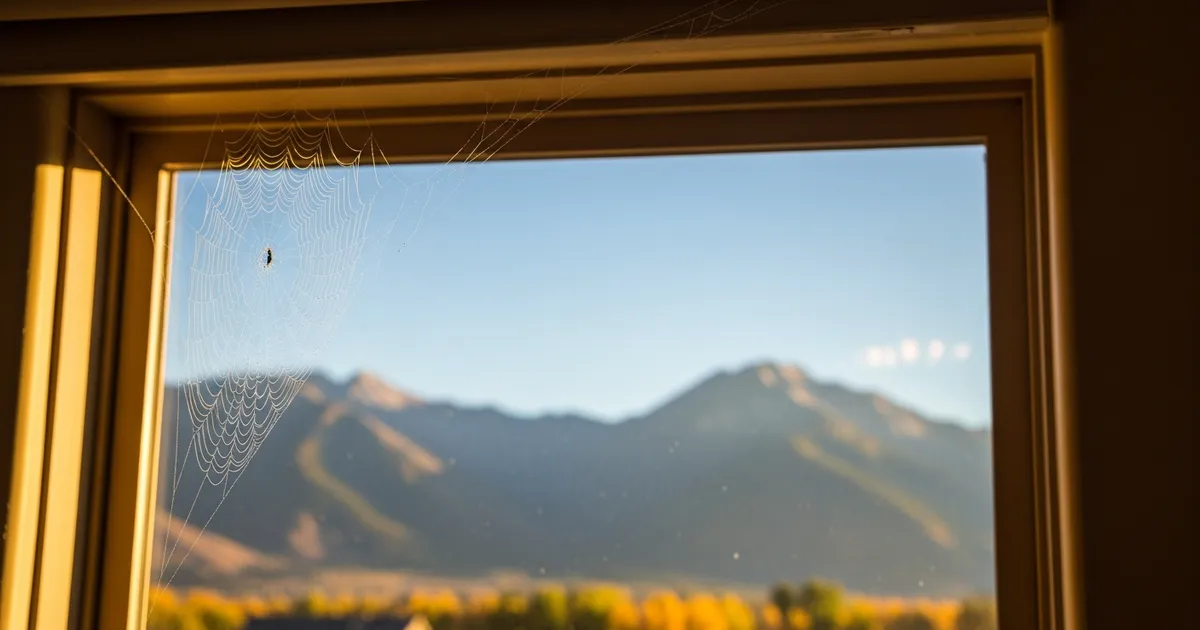
- Spiders: Peak web-building and hunting activity
- Centipedes and Millipedes: Seek indoor moisture during heat waves
- Stored Product Pests: Accelerated development in pantries
July demands comprehensive integrated pest management. Combine professional treatments with strict sanitation, moisture control, and exclusion techniques. This is not the month to skip treatments.
August: Sustained High Pressure
August continues July’s intense pest pressure with added challenges from late summer storms. Hurricane season brings moisture spikes that trigger breeding surges.
August Challenges:
- Mosquitoes: Storm-related breeding site multiplication
- Fungus Gnats: Thrive in over-watered plant soil
- Drain Flies: Breed in organic buildup in drains
- Fruit Flies: Peak season for kitchen infestations
- Crickets: Begin seeking indoor shelter
August pest control focuses on water management and storm preparation. Clean drains monthly, maintain air conditioning systems, and prepare for potential storm-related pest surges.
September: Transition Month Brings New Challenges
September’s temperature shifts (still 80-90°F but less intense) trigger fall migration patterns. Many pests begin seeking overwintering sites.
September Shifts:
- Subterranean Termites: Second swarming season begins
- Asian Lady Beetles: Aggregate for winter shelter
- Stink Bugs: Seek indoor overwintering sites
- Rodents: Begin fall territory establishment
- Wasps: Become more aggressive as colonies mature
September requires renewed focus on exclusion. Seal entry points before overwintering pests establish indoor populations.
October: Fall Pest Migration
October’s cooler temperatures (75-85°F) trigger significant pest movement patterns. Many species begin transitioning from outdoor to indoor habitats.
October Migration Patterns:
- House Mice: Peak invasion season as outdoor food sources decline
- Cluster Flies: Seek wall voids for winter dormancy
- Box Elder Bugs: Aggregate on sunny building sides
- Kudzu Bugs: Move toward structures for shelter
- Sowbugs/Pillbugs: Increase indoor movement
October pest control emphasizes perimeter treatments and rodent exclusion. This is the critical month for preventing winter infestations.
October is the most cost-effective month for rodent exclusion work. Sealing entry points now prevents winter infestations that can cost 3-5 times more to eliminate once established.
November: Pre-Winter Preparation
November’s 70-80°F temperatures provide a brief respite from peak pest pressure, but many species remain active while seeking winter shelter.
November Activity:
- German Cockroaches: Continue breeding indoors (slower but steady)
- Pantry Pests: Invade stored holiday foods
- Spiders: Build webs in undisturbed areas
- Silverfish: Thrive in humid closets and storage areas
- Carpet Beetles: Seek indoor fibrous materials
November focuses on indoor pest prevention and holiday preparation. Clean storage areas, inspect decorations before use, and maintain indoor humidity below 50%.
December: Winter’s Minimal Relief
December brings Central Florida’s coolest weather (60-75°F) but minimal pest relief. Many species simply shift from outdoor to indoor activity.
December Indoor Focus:
- House Mice: Peak indoor breeding season
- German Cockroaches: Concentrate in warm areas near appliances
- Carpenter Ants: Active in heated structures
- Stored Product Pests: Target holiday foods and decorations
- Occasional Invaders: Seek warmth during cold snaps
December pest control emphasizes indoor monitoring and exclusion maintenance. Year-end treatments provide a foundation for next year’s prevention program.
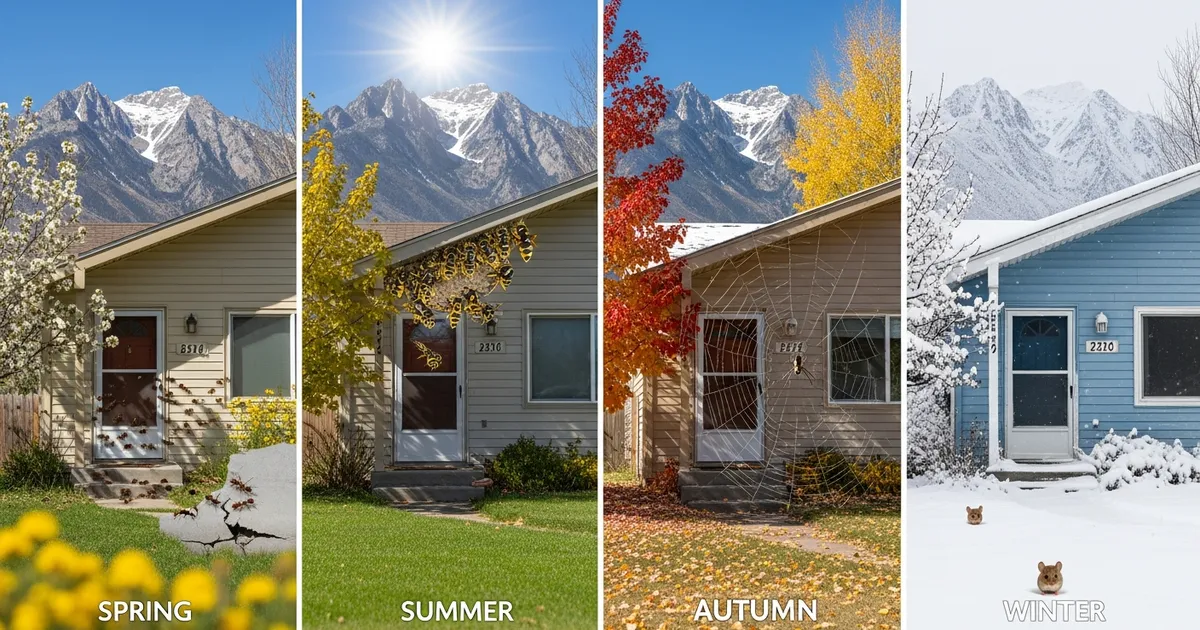
Seasonal Pest Pressure Comparison
| Season | Overall Pressure | Primary Concerns | Treatment Focus | Prevention Priority |
|---|---|---|---|---|
| Winter (Dec-Feb) | Low-Moderate | Indoor pests, rodents | Interior treatments, exclusion | Sealing, sanitation |
| Spring (Mar-May) | High | Termites, emerging pests | Termite protection, perimeter | Moisture control |
| Summer (Jun-Aug) | Very High | All pest categories | Comprehensive IPM | Water elimination |
| Fall (Sep-Nov) | Moderate-High | Migration, overwintering | Exclusion, perimeter barriers | Entry point sealing |
Regional Variations Within Central Florida
Pest activity varies slightly across Central Florida’s counties. Coastal areas like Palm Coast and Daytona Beach experience earlier spring activity due to moderating ocean temperatures. Inland areas around Orlando see more extreme summer peaks but slightly longer winter relief periods.
Coastal Considerations (Palm Coast, Daytona):
- Earlier termite swarms (February-March)
- Year-round mosquito activity near marshlands
- Salt-tolerant pests like maritime ants
- Hurricane-related pest surges
Inland Patterns (Orlando, Deltona):
- More pronounced seasonal variations
- Higher summer pest peaks
- Greater winter indoor pressure
- Urban heat island effects
Climate Change Impact on Pest Seasons
Central Florida’s pest seasons are extending due to climate change. Average temperatures have increased 2-3°F over the past 30 years, creating longer active periods for most species.
Recent changes include:
- Earlier spring emergence (2-3 weeks sooner)
- Extended summer activity into October
- Reduced winter dormancy periods
- New invasive species establishment
- Increased storm-related pest events
Monthly Prevention Strategies
Effective pest management requires month-specific prevention strategies tailored to Central Florida’s unique conditions.
Year-Round Indoor Prevention
- Moisture Control: Maintain humidity below 50% using dehumidifiers
- Sanitation: Clean kitchens nightly, vacuum weekly
- Exclusion: Seal cracks quarterly, inspect screens monthly
- Storage: Use sealed containers for all food items
Seasonal Outdoor Focus
- Spring: Eliminate standing water, trim vegetation
- Summer: Maintain irrigation systems, clean gutters
- Fall: Remove leaf litter, seal foundation cracks
- Winter: Store firewood properly, clean storage areas
How Green Defense Handles Year-Round Pest Management
At Green Defense Pest Control, we’ve developed month-specific treatment protocols based on 15+ years of experience in Central Florida. Our quarterly service program adjusts treatments based on seasonal pest pressure and weather patterns.
Our Seasonal Approach:
- Winter Focus: Interior treatments, rodent monitoring, exclusion work
- Spring Intensive: Termite protection, perimeter barriers, moisture elimination
- Summer Maximum: Monthly treatments, comprehensive monitoring, emergency response
- Fall Prevention: Exclusion reinforcement, overwintering pest management
Our quarterly residential services start at $89 per treatment, with monthly summer intensives available for $65 per service. We provide free re-services between scheduled visits and guarantee our work for 90 days.
DIY pest control becomes less effective during Central Florida’s peak summer months (June-August). Professional-grade products and application timing become essential when pest pressure reaches maximum levels.
Emergency Pest Situations by Month
Certain months present higher risks for emergency pest situations requiring immediate professional attention.
High-Risk Months:
- March-May: Termite swarms, wasp nest establishment
- June-August: Rapid infestations, heat-stressed pest invasions
- September-October: Overwintering pest migrations
Contact professionals immediately for: active termite swarms, wasp nests near entrances, evidence of structural damage, or sudden indoor pest surges during peak months.
Long-Term Pest Management Success
Successfully managing pests year-round in Central Florida requires understanding that pest control is ongoing, not seasonal. Properties with consistent monthly treatments show 85-90% fewer pest issues compared to reactive approaches.
Key success factors include:
- Professional treatments during peak pressure months
- Consistent exclusion and sanitation practices
- Regular monitoring and early intervention
- Climate-appropriate treatment timing
- Integration of multiple control methods
Remember, Central Florida’s year-round growing season means year-round pest season. Stay proactive, understand monthly patterns, and don’t hesitate to call professionals when pest pressure exceeds DIY capabilities.