Mosquitoes are more than a backyard annoyance, especially in central Florida where they’re active most of the year and can carry serious diseases. Even a few teaspoons of standing water are enough to produce hundreds of biters. The most effective control is breaking the breeding cycle around your own property and using treated barriers where mosquitoes rest during the day.
Identification
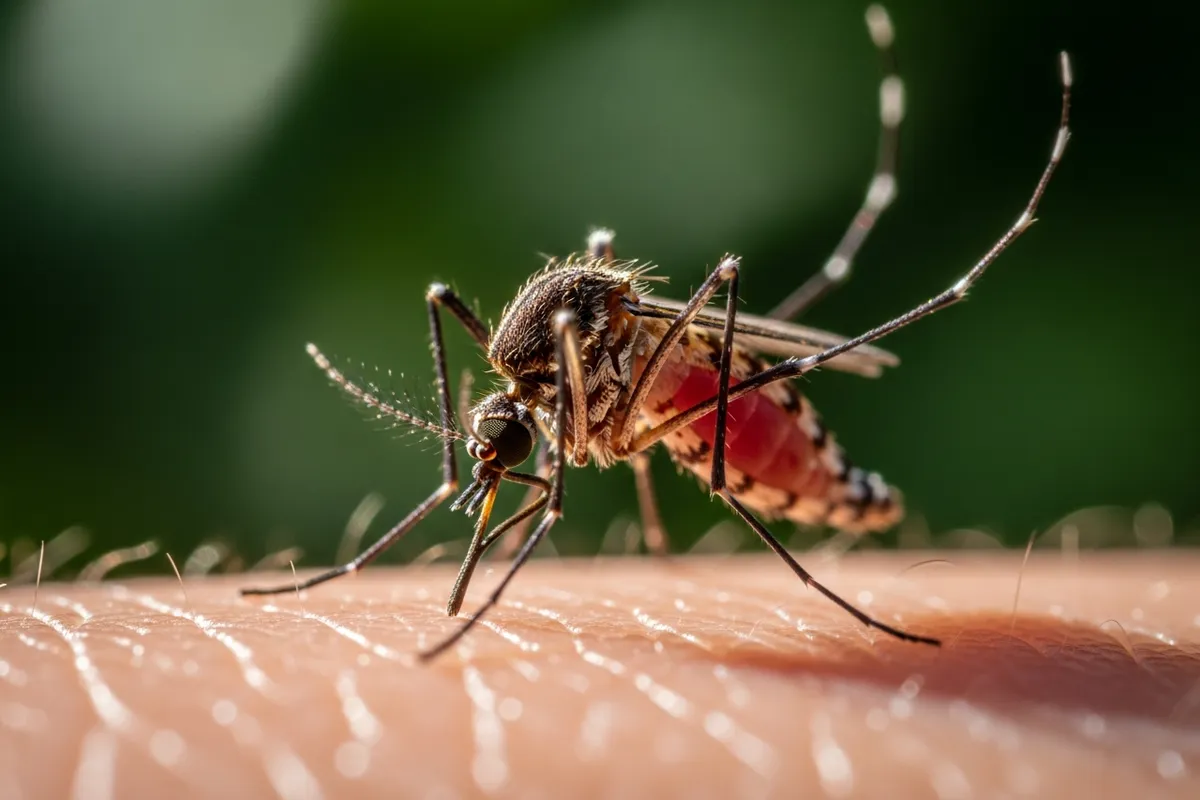
Mosquitoes are small, slender flies with long legs, narrow wings, and a distinctive piercing mouthpart called a proboscis. The species most homeowners encounter belong to Aedes, Culex, and Anopheles, and each behaves a little differently. Aedes aegypti and Aedes albopictus (the yellow fever and Asian tiger mosquitoes) are dark with bright white or silvery markings on their legs and bodies, and they’re aggressive daytime biters. Culex species are duller brown and most active at dusk and dawn. Anopheles species hold their bodies at a distinctive angle to whatever surface they’re resting on. Only female mosquitoes bite. Males feed on plant nectar and don’t have the long proboscis females use to draw blood. Florida is home to dozens of species, and Utah has a smaller but still meaningful native population.
Where Mosquitoes Live in Utah and Florida
Florida’s warm temperatures, abundant rainfall, and countless wetlands make it one of the most mosquito-rich regions in the country, with active populations year-round in the central and southern parts of the state. Different species favor different habitats, including freshwater swamps, brackish marshes, retention ponds, container water around homes, and tree hollows. In southern Utah and the rest of the state, mosquito season runs roughly from spring through early fall, with population peaks tied to irrigation, monsoon rains, and ponded water on agricultural land. Even in dry climates, a single neglected backyard with standing water can produce enough mosquitoes to ruin evenings for an entire neighborhood.
What Attracts Mosquitoes to Your Yard
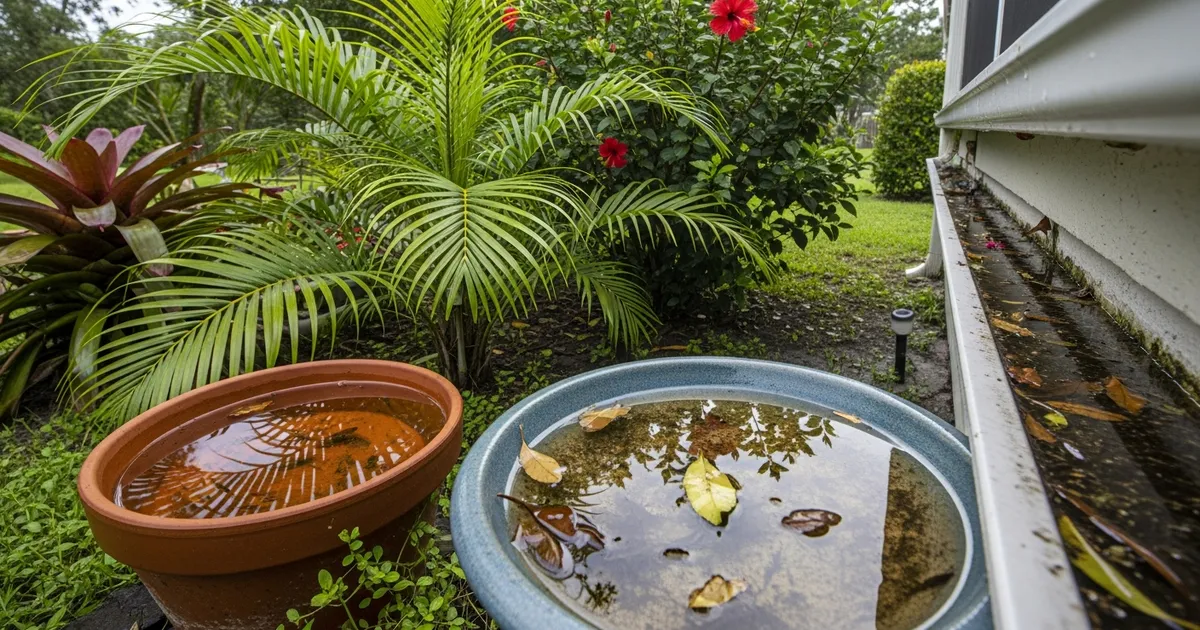
Mosquitoes need three things: standing water to lay eggs, shaded vegetation to rest in during the day, and warm-blooded hosts for blood meals. Females can lay eggs in remarkably small amounts of water, including bottle caps, plant saucers, kid toys, clogged gutters, tarps, tire swings, birdbaths, and the rims of trash can lids. Dense, humid landscaping gives them midday shelter, and people exhaling carbon dioxide and giving off body heat are easy to find from many feet away. Yards near retention ponds, drainage canals, or overgrown lots will always have higher pressure regardless of how clean the property itself is.
Signs You Have a Mosquito Problem
Beyond the obvious itchy bites, several signs indicate a meaningful mosquito issue:
- Visible swarms in shaded areas of the yard, especially around dawn and dusk
- Bites occurring during the day, which usually means Aedes species are present
- High-pitched whining around your head when you sit outside
- Wriggling larvae in birdbaths, plant saucers, or clogged gutters
- Mosquitoes resting on shaded walls, fences, or under deck railings
- Unusable patios, porches, or pool areas in the evenings
- Pets scratching or showing irritation from bites
Health Risks: Honest Assessment
Most mosquito bites cause nothing more than itching and small welts. The real concern is disease transmission. In Florida, the most relevant mosquito-borne illnesses include West Nile virus, eastern equine encephalitis, and occasional cases of Zika and dengue fever. Heartworm in dogs is also spread by mosquitoes and is a year-round risk in the Southeast. Utah sees a smaller number of West Nile cases each summer. The actual risk to any individual person is low in any given season, but the consequences when illness does occur can be serious, particularly for older adults, infants, and immunocompromised people. Reducing exposure is sensible even if you’re not in a high-risk group.
How to Prevent Mosquitoes Around Your Home
Mosquito control is mostly about water and habitat:
- Empty plant saucers, kid toys, buckets, and birdbaths at least once a week
- Clean gutters so they drain freely and don’t hold standing water
- Fix leaky outdoor faucets and irrigation heads
- Stock ornamental ponds with mosquito-eating fish or use larvicide briquettes
- Trim dense shrubs and groundcover to reduce daytime resting spots
- Repair window and door screens and check that they fit tightly
- Use EPA-registered repellents containing DEET, picaridin, or oil of lemon eucalyptus
- Run fans on patios, since mosquitoes are weak fliers and avoid moving air
When to Call a Professional
If your yard is unusable in the evenings even after you’ve eliminated standing water, professional mosquito control can make a major difference. A trained tech can identify resting sites you might miss, apply residual products to shaded vegetation where mosquitoes hide during the day, and treat breeding sources with larvicide. Recurring monthly service through mosquito season is the most reliable way to keep populations down. Request a free quote and we’ll evaluate your property. You can also learn more about our pest control services in Orlando and St. George.