
Central Florida’s warm, humid climate creates perfect conditions for pests year-round. While many homeowners start with DIY solutions, certain situations demand professional expertise. Knowing when to make that call can save you money, protect your health, and prevent serious property damage.
Clear Signs Your DIY Pest Control Isn’t Working
The most obvious indicator you need professional help is when pests return quickly after treatment. Here are the specific timeframes and warning signs to watch for:
Treatment Failure Timelines
- Ants: Should stay gone for 4-6 weeks after proper baiting
- Cockroaches: No new sightings for 14 days minimum
- Spiders: Reduced activity within 48 hours of spraying
- Flies: Noticeable reduction within 3-5 days
- Mosquitoes: 70-80% reduction in backyard activity within 1 week
If you’re not seeing these results, the problem likely requires professional-grade products or application techniques.
Keep a pest log with dates, locations, and photos. This documentation helps professionals identify patterns and choose the most effective treatment strategy for your specific situation.
Recurring Infestations
Pests that keep coming back despite repeated treatments indicate deeper issues. Common causes include:
- Hidden breeding sites you can’t access
- Structural problems allowing entry
- Pesticide resistance in local populations
- Nearby source populations (neighbor’s yard, commercial property)
Termite Warning Signs That Demand Immediate Action
Termites cause over $5 billion in property damage annually nationwide. In Central Florida’s climate, they’re active year-round, making early detection critical.
Visible Swarmers
Termite swarmers (winged reproductive termites) typically emerge after rain from February through May in Central Florida. Finding even 5-10 swarmers inside your home indicates an established colony nearby. This requires immediate professional inspection.
| Swarmer Type | Size | Color | Peak Season | Urgency Level |
|---|---|---|---|---|
| Subterranean | 1/4 inch | Dark brown/black | March-May | Immediate |
| Drywood | 3/8 inch | Light brown | May-October | Within 48 hours |
| Dampwood | 1/2 inch | Reddish-brown | Summer | Within 1 week |
Mud Tubes and Structural Damage
Subterranean termites build mud tubes to travel from soil to wood. These pencil-thick tunnels on foundation walls, crawl spaces, or wooden structures indicate active infestation. Professional treatment is essential because:
- DIY termite treatments penetrate only surface areas
- Professional liquid treatments create continuous barriers
- Licensed technicians can treat inside wall voids
- Monitoring stations detect new activity before damage occurs
Never remove mud tubes completely before professional inspection. Leave a small section so technicians can determine if the colony is still active.
Fire Ant Colonies That Keep Growing
Fire ants are aggressive, dangerous pests established throughout Central Florida. A single colony can contain 200,000-500,000 ants and multiple queens.
When DIY Fire Ant Control Fails
Individual mound treatments often fail because fire ant colonies extend 3-6 feet underground with tunnels reaching 25 feet from the mound. Signs you need professional help include:
- New mounds appearing within 50 feet of treated areas
- Mounds rebuilding within 2-3 weeks of treatment
- Multiple large mounds (over 18 inches diameter)
- Aggressive ants that attack immediately when disturbed
Professional Fire Ant Solutions
Licensed pest control professionals use broadcast baiting programs that eliminate entire colonies, including satellite colonies. This approach provides 85-95% control for 12-18 months, compared to 30-60 day results from DIY treatments.
Cockroach Infestations That Won’t Go Away
Central Florida’s American cockroaches (“palmetto bugs”) and German cockroaches pose serious health risks. They spread 30+ disease-causing organisms and trigger asthma attacks.
Signs of Serious Cockroach Problems
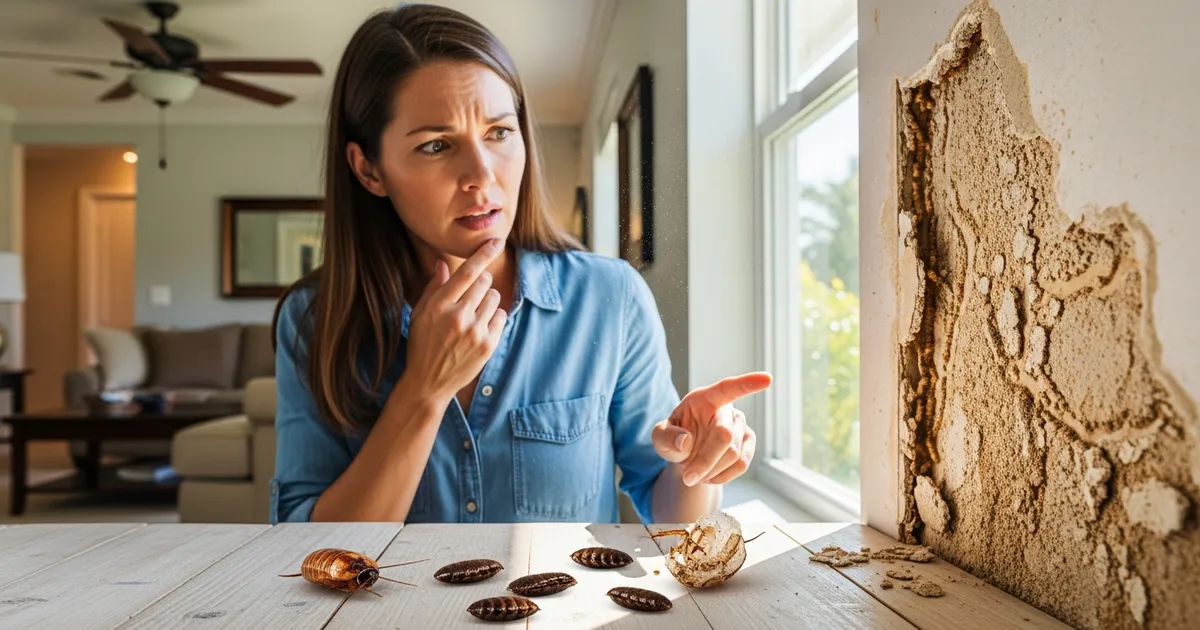
German cockroaches reproduce rapidly – one female produces 300-400 offspring in her lifetime. Call professionals when you see:
- Cockroaches during daylight hours (indicates overcrowding)
- Multiple cockroaches in kitchen cabinets or appliances
- Strong, musty odors in kitchens or bathrooms
- Dark stains or specks around cracks and corners
- Egg cases (oothecae) in hidden areas
German cockroaches often develop resistance to over-the-counter pesticides. Professional rotation of different chemical classes prevents resistance and achieves faster elimination.
Health Risks Requiring Professional Treatment
Cockroaches contaminate food surfaces and spread:
- Salmonella and E. coli bacteria
- Allergenic proteins that trigger asthma
- Parasitic worms and other pathogens
Professional treatments use targeted baits and growth regulators that eliminate entire populations within 2-3 weeks.
Dangerous Pest Species
Some pests pose immediate safety risks requiring professional equipment and expertise.
Venomous Spiders
Central Florida hosts several dangerous spider species:
- Black widows: Shiny black with red hourglass marking
- Brown widows: Variable coloring with orange hourglass
- Southern house spiders: Large, aggressive, painful bite
Professional treatment ensures complete elimination while minimizing human exposure risk.
Stinging Insects
Yellow jackets, hornets, and paper wasps become aggressive when threatened. Professional removal is essential for:
- Nests above ground level requiring ladder access
- Nests near high-traffic areas (doorways, playgrounds)
- Large colonies (over 100 individuals)
- Anyone with known allergies to stings
Wildlife Intrusion Problems
Central Florida’s suburban development creates wildlife conflicts requiring specialized solutions.
Common Wildlife Issues
Raccoons, squirrels, opossums, and bats often invade attics, especially during breeding seasons (spring and fall). Professional intervention is necessary because:
- Wildlife exclusion requires knowledge of animal behavior
- Improper exclusion can trap animals inside structures
- State regulations govern wildlife removal methods
- Cleanup requires specialized equipment and protocols
Health and Legal Considerations
Wildlife carries diseases like rabies, histoplasmosis, and leptospirosis. Professional wildlife specialists have:
- Required licenses and permits
- Proper safety equipment and protocols
- Knowledge of humane exclusion methods
- Access to professional-grade exclusion materials
Never attempt to remove bats yourself. All Florida bat species are protected, and improper removal violates state law. Bat guano also poses serious histoplasmosis risks.
Seasonal Pest Pressure in Central Florida
Central Florida’s year-round growing season creates constant pest pressure, with peak activity varying by species.
High-Pressure Seasons
- Spring (March-May): Termite swarmers, ant colonies expanding
- Summer (June-August): Peak mosquito breeding, maximum cockroach activity
- Fall (September-November): Wildlife seeking winter shelter, spider mating season
- Winter (December-February): Pests moving indoors for warmth
Professional quarterly treatments adapt to these seasonal patterns, providing more effective long-term control than reactive DIY approaches.
Cost Comparison: DIY vs Professional Treatment
While DIY treatments seem less expensive initially, failed treatments and pest damage often cost more long-term.
| Pest Problem | DIY Attempt Cost | Professional Cost | Damage Cost (If Untreated) |
|---|---|---|---|
| Termites | $50-200 | $800-1,500 | $8,000-25,000 |
| Fire Ants | $30-80 | $150-300 | $500-2,000 (medical/lawn) |
| Cockroaches | $25-100 | $200-400 | $1,000+ (contamination) |
| Wildlife | $40-150 | $300-800 | $3,000-10,000 |
Many pest control companies offer free inspections. Get a professional assessment before spending money on DIY treatments that may not address the root problem.
How Green Defense Handles Central Florida Pest Problems
Green Defense Pest Control understands Central Florida’s unique pest challenges. Our Orlando, Deltona, Daytona, and Palm Coast service areas each present specific pest pressures requiring targeted approaches.
Our Professional Process
- Comprehensive Inspection: 47-point assessment identifying all pest issues and conducive conditions
- Customized Treatment Plan: Species-specific approaches using integrated pest management principles
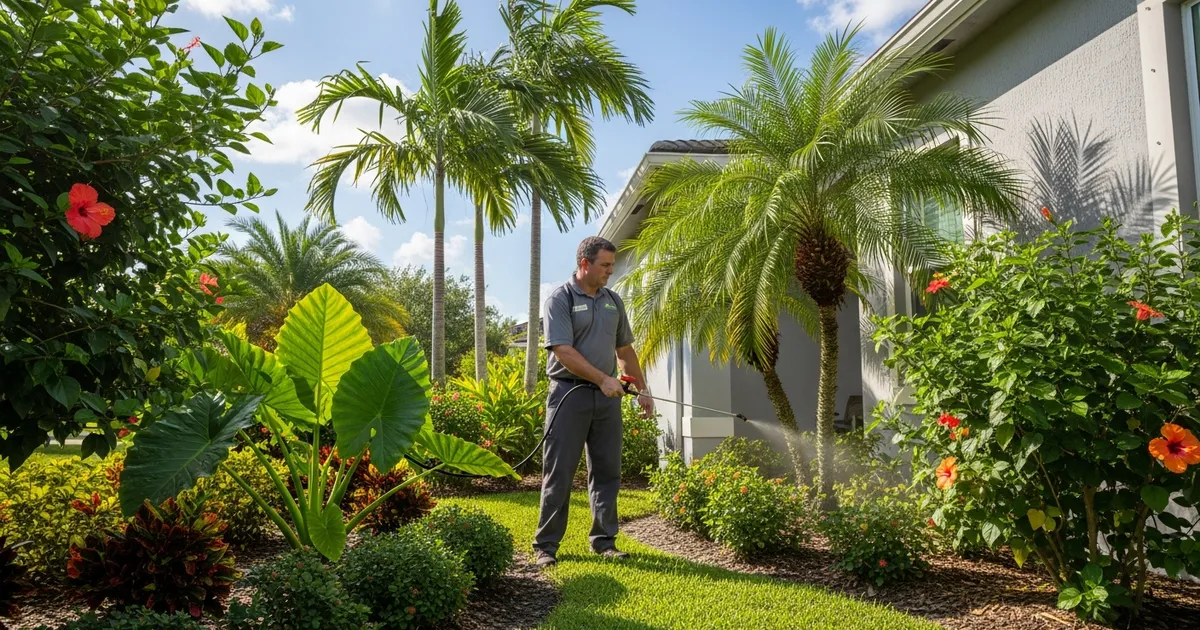
- Professional Application: Licensed technicians using commercial-grade equipment and materials
- Follow-up Monitoring: Regular inspections ensuring treatment effectiveness
- Preventive Maintenance: Ongoing protection preventing new infestations
Treatment Guarantees and Pricing
We provide written guarantees on all treatments with specific timelines for results. Our quarterly pest control programs start at $89 per treatment for average homes, with specialized services priced based on infestation severity and treatment complexity.
Emergency services are available 24/7 for dangerous pest situations requiring immediate attention.
Preventing Future Professional Pest Control Needs
While some pest problems require professional intervention, regular maintenance reduces future needs:
Property Maintenance
- Seal cracks and gaps with appropriate materials
- Maintain proper drainage around foundations
- Trim vegetation away from structures
- Store firewood 20+ feet from buildings
- Clean gutters and downspouts regularly
Indoor Prevention
- Fix moisture problems within 24-48 hours
- Store food in sealed containers
- Vacuum and sweep regularly
- Eliminate water sources (leaky pipes, standing water)
- Reduce clutter providing pest harborage
Even with excellent prevention, Central Florida’s climate and pest pressure make professional quarterly treatments a wise investment for most homeowners. The cost of prevention is always less than the cost of major pest problems and property damage.