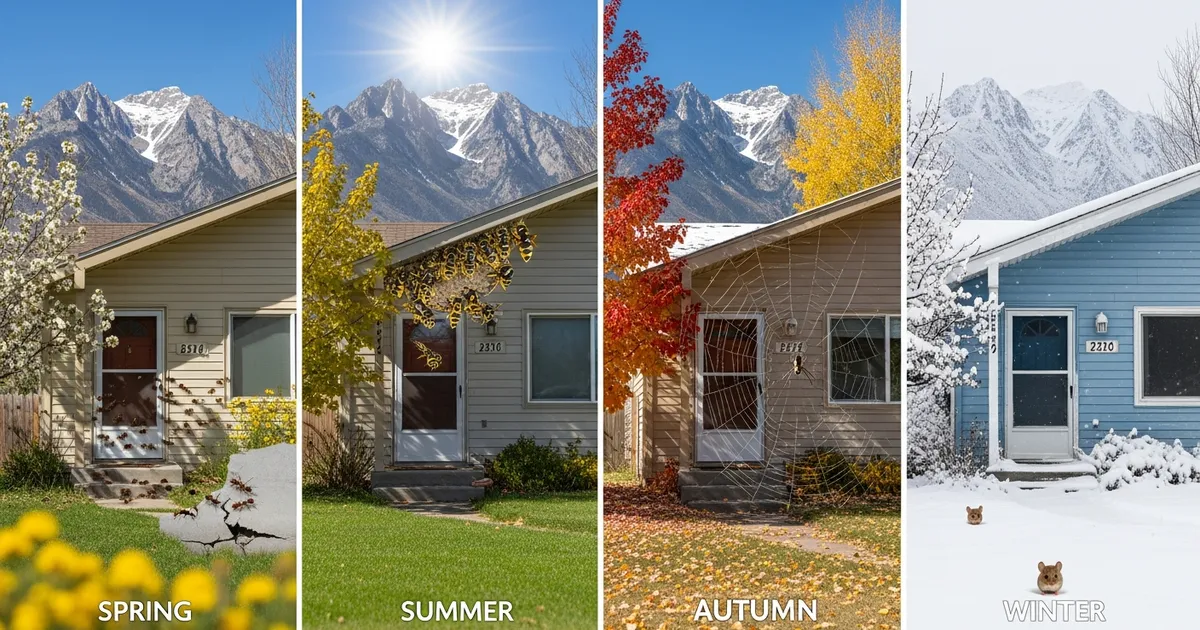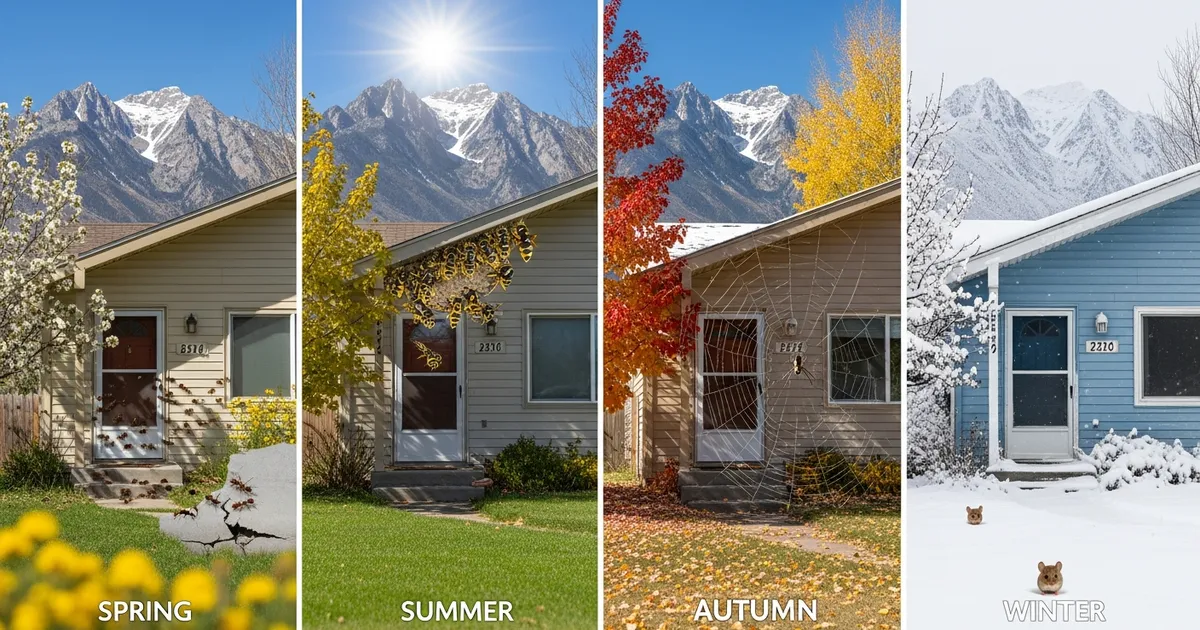

Living in Central Florida means sharing your space with some of the most persistent pests in the country. From the suburbs of Orlando to the coastal communities of Volusia County, our subtropical climate creates a 365-day breeding ground for insects, rodents, and other unwanted visitors.
Unlike northern climates where winter kills off pest populations, Central Florida’s mild winters and humid summers create perfect conditions for continuous pest activity. Understanding this cycle is crucial for protecting your home and family.
Understanding Central Florida’s Pest Calendar
Central Florida’s pest activity follows predictable patterns tied to temperature, humidity, and rainfall. Most homeowners make the mistake of treating pest problems reactively instead of following the seasonal cycles.
Peak pest season runs from March through October, with some species active year-round. The Florida Department of Health reports that pest-related emergency room visits spike 40% during summer months, primarily from fire ant stings and spider bites.
Monthly Pest Activity Breakdown
| Month | Primary Pests | Activity Level | Key Actions |
|---|---|---|---|
| January | Rodents, Roaches | Low-Medium | Deep clean, seal entry points |
| February | Rodents, Ants | Low-Medium | Preventive treatments, yard cleanup |
| March | Fire Ants, Termites | Medium-High | Begin monthly treatments |
| April | Termites, Mosquitoes | High | Termite inspection, standing water removal |
| May | Fire Ants, Fleas, Ticks | High | Yard treatments, pet protection |
| June | All pests peak | Very High | Maximum protection protocols |
| July-August | Mosquitoes, Palmetto Bugs | Very High | Indoor/outdoor treatments |
| September | Spiders, Wasps | High | Nest removal, crack sealing |
| October | Rodents seeking shelter | Medium-High | Exclusion work, attic inspection |
| November | Roaches, Rodents | Medium | Interior focus, sanitation |
| December | Overwintering pests | Low-Medium | Annual planning, deep treatments |
Spring Pest Control Strategy (March-May)
Spring marks the beginning of Central Florida’s most challenging pest season. As temperatures consistently reach the 80s and humidity climbs, dormant pest populations explode into activity.
March is termite swarming season across Orange and Volusia counties. University of Florida IFAS research shows that 70% of Central Florida termite activity occurs between March and June, with peak swarming after spring rains.
Critical Spring Actions:
- Termite Prevention: Schedule annual inspections before April swarms begin
- Fire Ant Control: Apply targeted treatments to active mounds before peak season
- Moisture Control: Repair leaks and improve drainage around foundations
- Landscaping: Trim vegetation 3 feet from home exterior
- Entry Point Sealing: Caulk gaps around pipes, vents, and utility entries
Apply granular fire ant bait in March before colonies reach peak size. Baits work slowly but eliminate entire colonies, unlike contact sprays that only kill surface ants. Wait for dry weather and apply when temperatures are between 70-85°F for maximum effectiveness.
Common Spring Pests in Central Florida
Subterranean Termites: Peak swarming occurs after spring rains, typically late March through May. Look for discarded wings near windows and doors, especially in neighborhoods like College Park, Winter Park, and DeLand.
Fire Ants: Colonies become aggressive as they expand territory. A single colony can contain 200,000 workers by May, making early treatment crucial.
Mosquitoes: Begin breeding in standing water as temperatures warm. Focus on eliminating breeding sites in gutters, plant saucers, and low-lying yard areas.
Summer Pest Control Strategy (June-August)
Summer brings the highest pest pressure of the year. Central Florida’s combination of 90°F+ temperatures and 80%+ humidity creates ideal conditions for rapid pest reproduction.
During these months, roach populations can double every 30 days, and mosquito generations complete their life cycle in just 7-10 days. Professional treatments become essential rather than optional.
Summer Pest Priorities:
- Palmetto Bug Control: Focus on exterior treatments and moisture elimination
- Mosquito Management: Monthly larvicide treatments for standing water
- Fire Ant Suppression: Bi-weekly monitoring and spot treatments
- Interior Protection: Monthly interior sprays for high-activity areas
- Rodent Prevention: Seal potential entry points before fall seeking behavior
The Orlando Sentinel reported a 60% increase in pest control calls during July 2023, with palmetto bugs and fire ants leading complaints in neighborhoods from Altamonte Springs to New Smyrna Beach.
Never attempt DIY fire ant control during summer months. Disturbing colonies can trigger mass stings, and emergency rooms see peak fire ant incidents June through August. Professional treatments target the entire colony safely and effectively.
Hurricane Season Pest Considerations
Hurricane season (June-November) creates unique pest challenges. Flooding drives pests to higher ground, often into homes. Post-storm debris provides breeding sites for mosquitoes and shelter for rodents.
After Hurricane Ian in 2022, Volusia County reported a 300% increase in mosquito populations and significant upticks in rodent activity. Preparation and post-storm treatments become critical.
Fall Pest Control Strategy (September-November)
Fall pest control focuses on exclusion and preparation for winter. As outdoor temperatures begin to drop (though still averaging 75-85°F), many pests seek indoor shelter.
September brings increased spider and wasp activity as these predators follow their prey indoors. October and November see the highest rodent intrusion rates as cooler nights drive mice and rats toward heated indoor spaces.
Fall Prevention Checklist:
- Exterior Sealing: Inspect and seal all potential entry points
- Attic Inspection: Check for rodent signs and install exclusion materials
- Wasp Nest Removal: Eliminate nests before winter clustering
- Spider Control: Focus on common hiding areas like garages and storage rooms
- Yard Cleanup: Remove fallen fruit, leaf piles, and debris that harbor pests
October is the ideal time for comprehensive exclusion work. Pests are actively seeking winter shelter, making it easier to identify and seal entry points. Use copper mesh for holes larger than 1/4 inch and silicone-based caulk for smaller gaps – both materials rodents cannot chew through.
Winter Pest Control Strategy (December-February)
Winter offers Central Florida’s best opportunity for deep pest prevention. While pest activity decreases, it never stops completely due to our mild climate.
Average winter temperatures in the 60-70°F range keep many species active, just at reduced levels. This creates the perfect window for preventive treatments that wouldn’t be effective during peak season.
Winter Deep Prevention:
- Interior Deep Cleaning: Focus on areas missed during busy seasons
- Crack and Crevice Treatments: Long-lasting applications in pest harborage areas
- Moisture Control: Address humidity issues and water leaks
- Landscape Modifications: Structural changes to reduce pest habitat
- Annual Planning: Develop next year’s preventive strategy
University of Florida research shows that homes receiving winter deep treatments experience 40% fewer pest issues the following season compared to homes with seasonal-only service.
Pest-Specific Annual Strategies
Fire Ants
Fire ants remain Central Florida’s most dangerous pest, with over 14 million stings reported annually statewide. Effective control requires understanding their seasonal behavior patterns.
Peak Activity: March through October
Treatment Schedule: March, June, September applications
Method: Broadcast bait treatments followed by mound spot treatments
Success Rate: 85-90% population reduction with proper timing
Palmetto Bugs (American Cockroaches)
These large roaches thrive in Central Florida’s humid climate and can live up to 2 years. They’re particularly problematic in areas near water bodies like Lake Monroe or the St. Johns River.
Peak Activity: Year-round, with summer spikes
Treatment Schedule: Monthly exterior, quarterly interior
Critical Areas: Mulch beds, storm drains, tree holes
Prevention: Moisture control and exterior barrier treatments
Mosquitoes
Central Florida supports over 30 mosquito species, including disease vectors like Aedes aegypti. Standing water management is crucial for control.
Peak Season: April through October
Treatment Schedule: Monthly larvicide, bi-weekly adult control
Focus Areas: Gutters, plant saucers, retention ponds
Professional Need: High – requires specialized equipment and products
DIY vs. Professional Pest Control
Central Florida’s intense pest pressure often overwhelms DIY approaches. While homeowners can handle basic prevention, effective control typically requires professional intervention.
DIY Appropriate Tasks:
- Basic sanitation and cleaning
- Eliminating standing water
- Simple exclusion (door sweeps, screens)
- Landscape maintenance
- Monitoring and early detection
Professional-Only Treatments:
- Fire ant colony elimination
- Termite prevention and treatment
- Mosquito population control
- Interior crack-and-crevice applications
- Attic and crawl space treatments
Florida Department of Agriculture requires specific licensing for many effective pest control products. Store-bought treatments often provide only temporary relief and can make problems worse by causing pests to scatter to new areas of your home.
Cost-Effective Year-Round Protection
Professional pest control in Central Florida typically costs $150-300 per treatment, depending on home size and pest pressure. However, the cost of reactive treatments and damage repairs often exceeds preventive program costs.
Annual Program Components:
- Monthly Exterior Treatments: $100-150 per visit
- Quarterly Interior Service: Additional $50-75 per visit
- Annual Termite Inspection: $75-150
- Specialty Treatments: $100-300 as needed
Most Central Florida homeowners find that comprehensive programs cost $1,800-2,400 annually but prevent thousands in potential damage and eliminate the stress of constant pest issues.
Bundle services for maximum value. Many companies offer 15-20% discounts when you combine exterior pest control, mosquito treatments, and termite protection into a single annual program. This also ensures consistent service scheduling and better overall results.
How Green Defense Handles Year-Round Protection
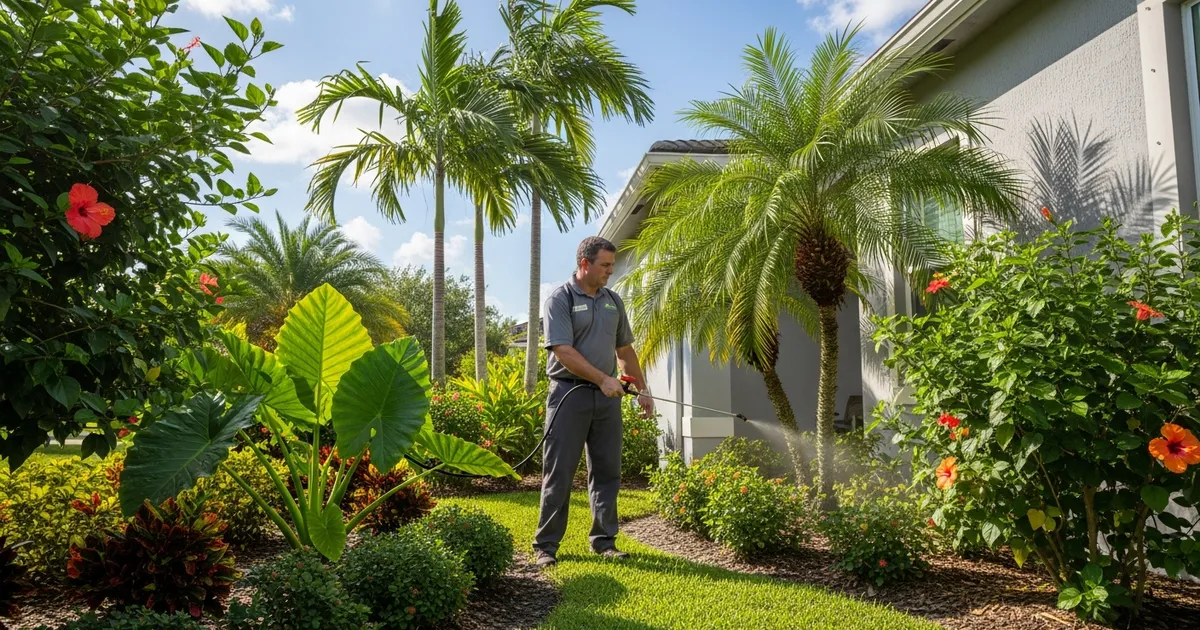
At Green Defense Pest Control, we’ve developed our Central Florida year-round program based on 15 years of local experience and thousands of successful treatments from Orlando to Palm Coast.
Our Comprehensive Approach:
Initial Assessment: 47-point inspection covering interior, exterior, and landscape areas. We identify current pest issues, conducive conditions, and potential entry points.
Customized Treatment Plan: Based on your property’s specific challenges, neighborhood pest pressure, and family priorities. No one-size-fits-all solutions.
Monthly Exterior Treatments: Professional-grade barrier applications targeting common Central Florida pests before they enter your home.
Quarterly Interior Service: Targeted treatments in key areas like kitchens, bathrooms, and utility rooms where pests commonly establish harborage.
Seasonal Adjustments: Treatment focus changes with pest activity cycles. Spring termite prevention, summer fire ant control, fall exclusion work, winter deep treatments.
Emergency Response: Guaranteed 48-hour response for pest emergencies between scheduled services.
Our year-round programs start at $189 per month for average-sized homes, with no long-term contracts required. We guarantee satisfaction and provide free re-treatments if pests return between scheduled services.
Creating Your Personal Pest Control Calendar
Every Central Florida home needs a customized approach based on specific factors like location, landscaping, and construction type. However, certain seasonal actions apply universally.
Monthly Action Items:
January: Deep clean areas missed during busy seasons. Inspect attics for rodent activity. Plan annual pest control budget.
February: Begin exterior treatments. Clean gutters and repair any winter weather damage. Trim landscaping away from house.
March: Schedule termite inspection. Begin fire ant treatments. Check and repair screens.
April: Eliminate standing water sources. Begin monthly mosquito treatments. Increase treatment frequency.
May: Focus on fire ant control. Begin flea/tick prevention if you have pets. Monitor for increased roach activity.
June: Peak treatment season begins. Ensure all preventive measures are in place. Schedule mid-year pest assessment.
July-August: Maintain maximum protection protocols. Monitor effectiveness and adjust as needed. Prepare for hurricane season impacts.
September: Begin fall exclusion work. Remove wasp nests. Prepare for rodent season.
October: Comprehensive exclusion inspection. Seal entry points. Begin winter preparation.
November: Focus on interior protection. Deep clean and organize storage areas. Monitor for overwintering pests.
December: Annual program review. Deep prevention treatments. Plan improvements for next year.
Emergency Pest Situations
Central Florida’s year-round pest activity means emergency situations can arise any time. Knowing when to take immediate action versus waiting for scheduled service can prevent serious problems.
Call Immediately For:
- Fire ant attacks: Especially if anyone shows allergic reactions
- Termite swarms: Inside your home indicates active infestation
- Rodent sightings: Multiple sightings suggest established population
- Wasp nest threats: Near doorways or high-traffic areas
- Spider bites: Particularly from black widows or other dangerous species
For any pest-related medical emergencies, seek immediate medical attention and contact your pest control provider for follow-up prevention.
Conclusion: Success Through Consistency
Year-round pest control in Central Florida requires consistent effort and professional support. The combination of our subtropical climate, diverse pest populations, and year-round breeding conditions makes reactive approaches ineffective and expensive.
Successful pest management follows the seasonal cycles, focuses on prevention over treatment, and combines professional expertise with homeowner vigilance. By understanding when specific pests are most active and vulnerable, you can maximize treatment effectiveness while minimizing costs and family exposure.
Remember that Central Florida’s pest challenges are unique. What works in Georgia or South Carolina may not be effective here. Partner with local professionals who understand our specific pest pressures and climate challenges.
The investment in comprehensive year-round protection pays dividends in peace of mind, property protection, and family health. Don’t wait for pest problems to develop – prevention is always more effective and less expensive than treatment.