
The desert recluse is a quiet, reclusive spider present in southwestern Utah – and it’s the species most often misidentified as the brown recluse, which is not established in Utah at all. Bites are uncommon because these spiders go out of their way to avoid people, but when they happen, the wound can be slow to heal. Reducing clutter and sealing entry points keeps them out, and a professional pest control program targets the dark, undisturbed places they prefer.
Identification
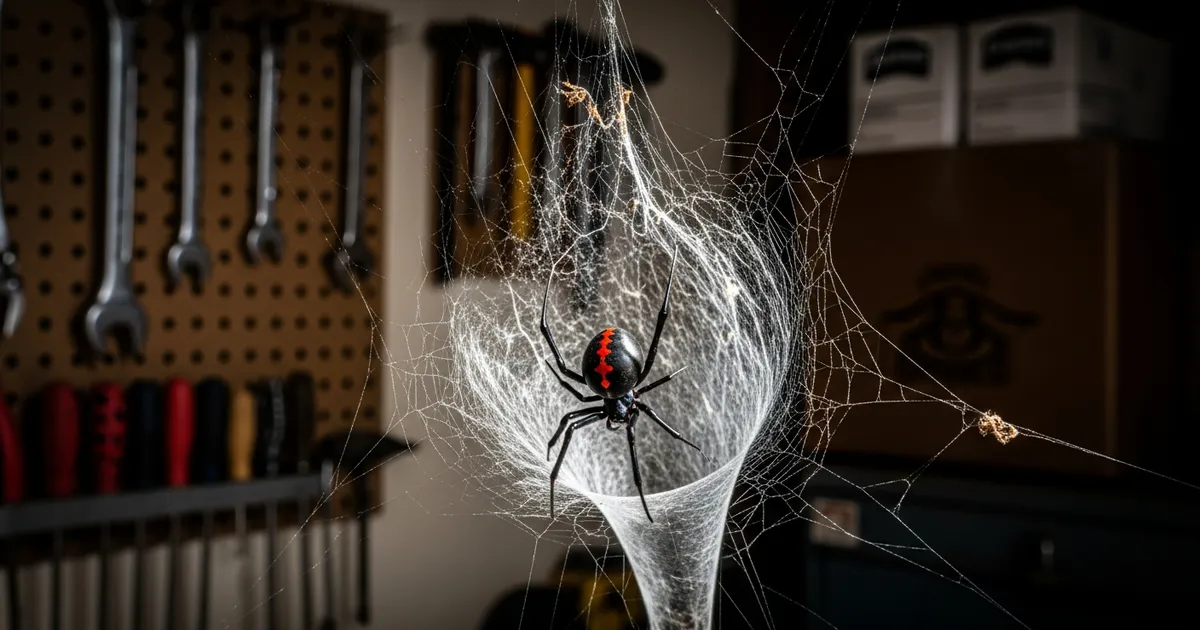
The desert recluse (Loxosceles deserta) is a small to medium tan or yellowish-brown spider, about a quarter to a half-inch in body length, with longer legs that bring its overall span to roughly an inch. The most reliable identifying mark is the darker, violin-shaped pattern on the back of the cephalothorax (the front body segment), with the violin’s neck pointing toward the abdomen. Recluses also have six eyes arranged in three pairs, rather than the eight eyes most spiders have – but you’d need a magnifier to see that. It’s important to clarify: the brown recluse (Loxosceles reclusa) is a different species, native to the south-central United States, and is not established in Utah. Desert recluse is the related species that does occur in our region. Common look-alikes include wolf spiders, cellar spiders, and several brown house spiders, none of which carry the violin marking or the slim, long-legged build of a recluse.
Where Desert Recluse Spiders Live in Utah
Desert recluses occur in the warm, dry corner of southwestern Utah, including parts of Washington County. They’re most often found outdoors in undisturbed natural settings – under rocks, in rodent burrows, in pack-rat middens, and beneath loose bark or debris in desert washes. Around homes, they hide in garages, attics, crawl spaces, basements, sheds, and any quiet, cluttered space that doesn’t get disturbed for weeks at a time. Stored boxes, rarely-worn shoes, folded clothing in guest closets, and stacks of firewood are all classic harborage. They prefer warm, dry interiors and tend to come into closer contact with people during late spring and summer when activity peaks.
Why They Get Into Homes / What Attracts Them
Desert recluses don’t seek out humans – quite the opposite. They’re hunting small insects in quiet places and they end up indoors when the dry, undisturbed conditions of a home match what they’d find in their natural habitat. Garages, attics, and storage rooms are the prime examples: warm, sheltered, and rarely walked through. They’ll also follow prey insects through foundation cracks, vents, and gaps around utility lines. Once inside, clutter is what keeps them – undisturbed boxes, piles of clothing, shoes left in closets for months, and the dark spaces behind heavy furniture. Homes that sit empty for stretches at a time tend to develop heavier populations than homes that are actively lived in.
Signs You Have a Desert Recluse Problem
Recluses are easy to miss, but a few signs are telling:
- Tan, violin-marked spiders found in garages, attics, or storage areas
- Loose, irregular, off-white webbing in corners, behind boxes, or under furniture (recluse webs aren’t the neat geometric kind)
- Shed exoskeletons in undisturbed corners, closets, or storage bins
- Egg sacs – small, tan, papery, about a third of an inch across – tucked into webbing
- Sightings during late-night hours when recluses are most active
- Bites that don’t appear immediately but produce a slow-developing sore
- Increased sightings after moving boxes, cleaning out a garage, or disturbing storage
Health Risks: Honest Assessment
Desert recluse bites are uncommon – these spiders don’t seek out people and bite only when pressed against skin, usually inside clothing, bedding, or shoes. When bites do happen, the venom contains an enzyme that can damage tissue at the bite site, sometimes producing a slow-healing wound. Most bites cause only mild redness and pain that clears up on its own, but a smaller percentage develop a more serious skin lesion that can take weeks to heal and may leave a scar. Severe systemic reactions are rare but possible, especially in children. If you’re bitten and the wound starts changing color, expanding, or you develop fever, nausea, or general illness, seek medical care promptly. Capturing the spider (even smashed) helps with identification.
How to Prevent Desert Recluse Spiders Around Your Home
Recluse prevention comes down to clutter and contact reduction:
- Shake out clothing, shoes, gloves, and towels before putting them on, especially items left in the garage
- Keep beds away from walls and avoid letting bedding touch the floor
- Reduce clutter in closets, garages, attics, and basements – recluses thrive in undisturbed boxes
- Store seasonal clothing and shoes in sealed plastic bins rather than open boxes
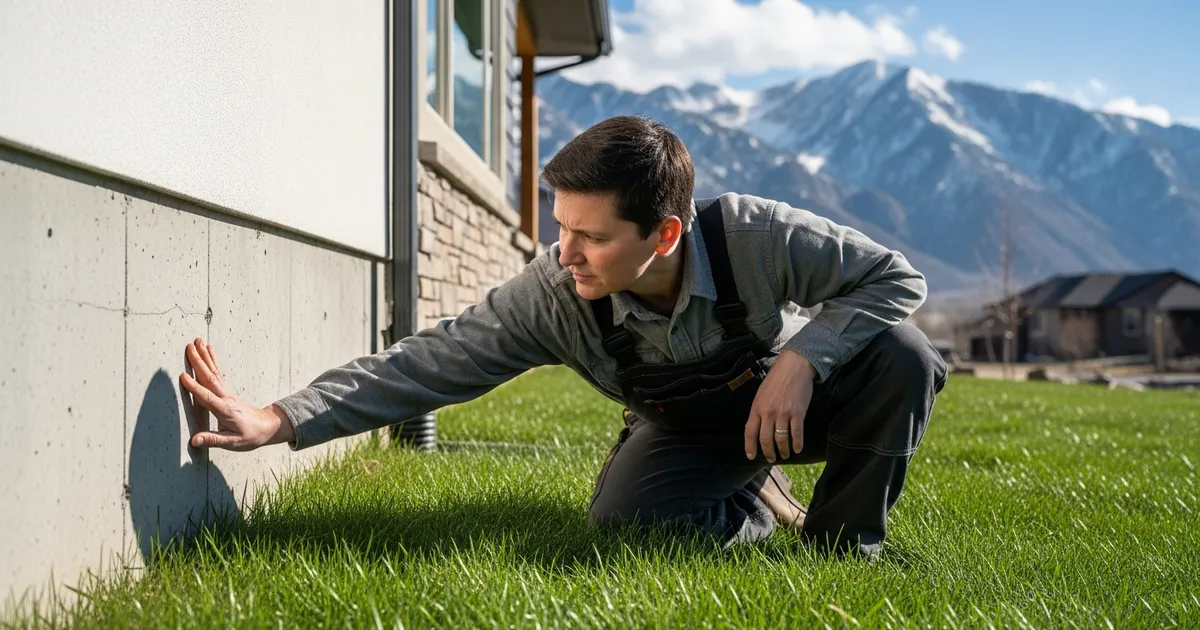
- Seal cracks in walls, around baseboards, and at utility penetrations
- Install tight-fitting door sweeps and screens on vents and crawl spaces
- Move firewood, lumber, and stored materials away from the home and off the ground
- Vacuum corners, under beds, and behind furniture regularly to remove webs, eggs, and spiders
When to Call a Professional
If you’ve found multiple desert recluses indoors, or if you’ve identified one in a bedroom, child’s room, or closet, professional treatment is the right call. Green Defense uses targeted, eco-friendly applications in the harborage areas where recluses actually live – voids, attics, garage corners, and storage spaces – along with exclusion work to keep new ones from coming in. Request a free quote and we’ll handle it carefully.