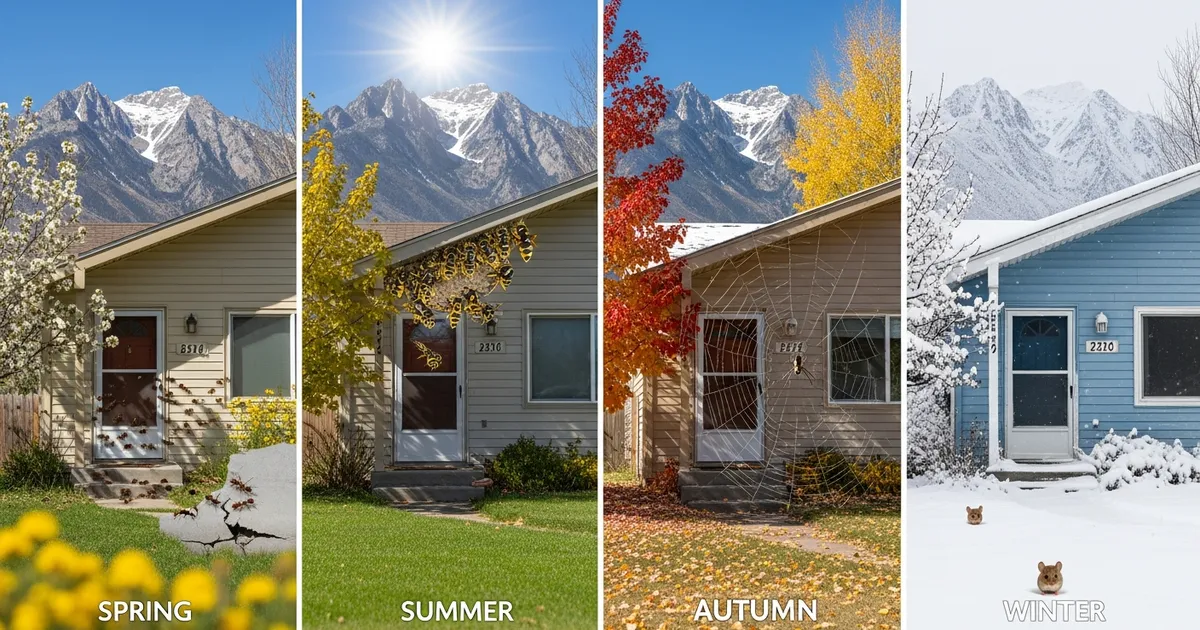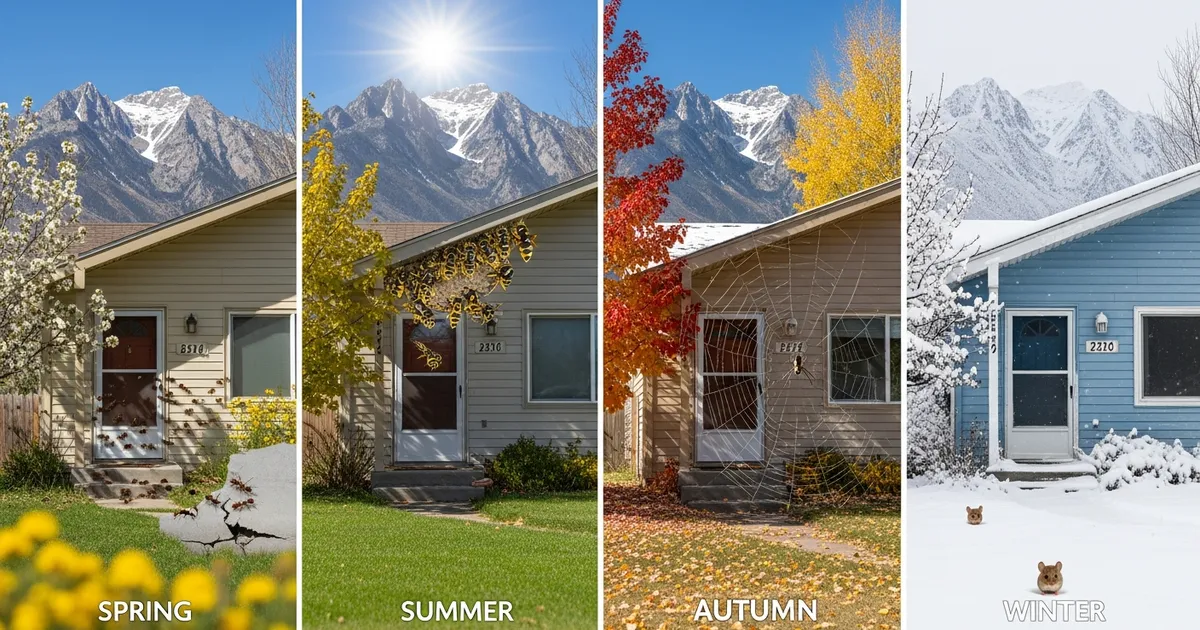

Utah’s unique climate and elevation changes create specific challenges for lawn weed control. From the Wasatch Front valleys to higher elevation areas like Park City, timing your weed prevention strategy correctly can mean the difference between a pristine lawn and a weedy mess.
This comprehensive month-by-month guide covers everything from pre-emergent timing to post-emergent treatments, tailored specifically for Utah’s growing conditions and common weed species.
January: Planning and Preparation Month
January is your planning month for the upcoming growing season. While weeds are dormant under snow cover, this is the perfect time to assess last year’s problem areas and plan your strategy.
Document where you had crabgrass, dandelions, or nutsedge issues in your lawn. These problem spots will likely need extra attention this year. Order your pre-emergent herbicide now to ensure you have it ready for spring application.
- Inspect lawn equipment and ensure spreaders are calibrated
- Review and order herbicide supplies for the season
- Plan irrigation system maintenance and adjustments
- Document problem areas from the previous growing season
February: Equipment Prep and Soil Monitoring
February remains too cold for weed control applications, but preparation continues. Start monitoring soil temperatures using a soil thermometer at 2-inch depth.
In areas like Salt Lake City, Ogden, and Provo, soil temperatures typically range from 30-40°F in February. You’re looking for the trend toward 50°F, which usually begins in early March.
- Begin daily soil temperature monitoring at 2-inch depth
- Service and calibrate fertilizer spreaders
- Plan overseeding for thin areas (to be done in fall)
- Check irrigation system for winter damage
Use a soil thermometer rather than air temperature to time pre-emergent applications. Soil temperatures change more slowly and provide a better indicator of when crabgrass seeds will germinate.
March: Pre-Emergent Application Window Opens
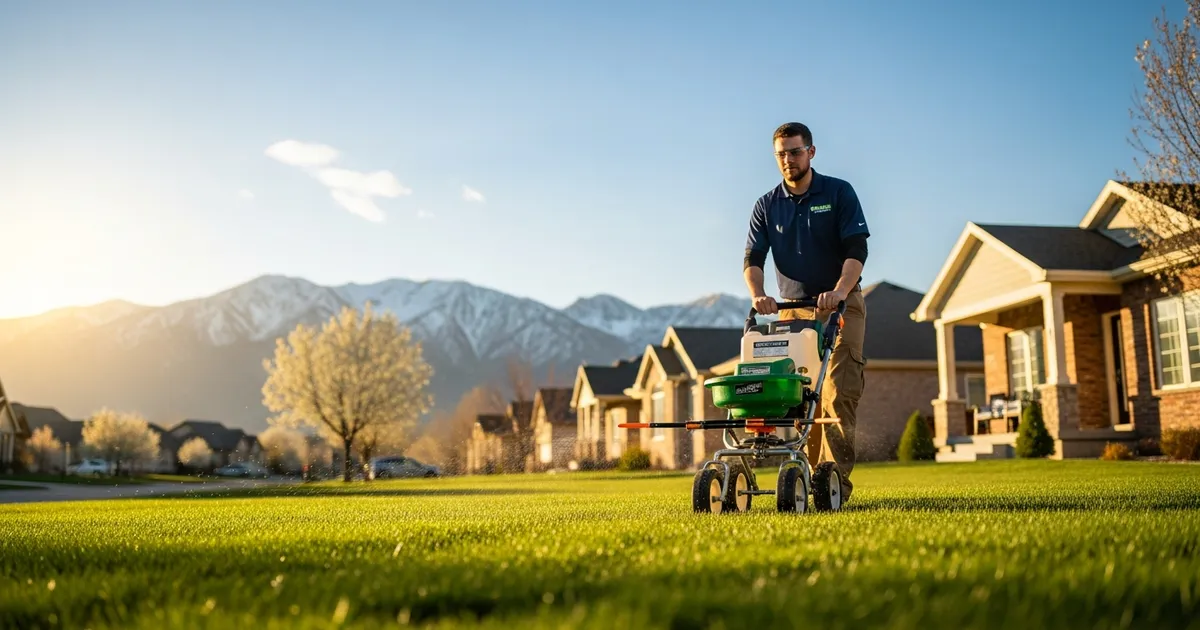
March marks the critical pre-emergent application window for most Utah lawns. The key is soil temperature, not calendar dates.
Apply pre-emergent herbicide when soil temperatures reach 50-55°F for 3 consecutive days. In northern Utah valleys (Ogden to Nephi area), this typically occurs between March 15-April 1. Higher elevation areas like Park City or Manti may need to wait until early April.
| Utah Region | Typical Pre-Emergent Timing | Soil Temp Threshold |
|---|---|---|
| Wasatch Front (3,000-4,500 ft) | March 15 – March 30 | 50-55°F for 3 days |
| Utah Valley | March 20 – April 5 | 50-55°F for 3 days |
| Cache Valley | March 25 – April 10 | 50-55°F for 3 days |
| Higher Elevations (5,000+ ft) | April 1 – April 15 | 50-55°F for 3 days |
Target weeds for pre-emergent control include crabgrass, foxtail, goosegrass, and annual bluegrass. Apply evenly using a calibrated spreader and water in immediately with 0.25-0.5 inches of irrigation.
- Monitor soil temperature daily at 2-inch depth
- Apply pre-emergent when soil hits 50-55°F for 3 consecutive days
- Water in application immediately with 0.25-0.5 inches
- Focus on areas that had crabgrass problems last year
April: Post-Emergent Broadleaf Weed Control
April brings active growth of perennial broadleaf weeds like dandelions, plantain, and clover. These weeds are actively translocating nutrients and are most susceptible to post-emergent herbicides.
Apply broadleaf herbicides when air temperatures are between 60-85°F and weeds are actively growing. Avoid application when temperatures exceed 85°F or when wind speeds are above 10 mph.
For northern Utah lawns, early to mid-April is typically ideal. Areas around Ogden, Salt Lake City, and Provo see optimal conditions during this window.
- Apply post-emergent broadleaf herbicide for dandelions, clover, and plantain
- Target application when temperatures are 60-85°F
- Avoid windy days (winds over 10 mph)
- Don’t mow for 2-3 days before or after application
Never apply herbicides on windy days or when rain is forecast within 24 hours. Herbicide drift can damage desirable plants and reduce effectiveness on target weeds.
May: Follow-up Treatments and Spot Control
May is your follow-up month for any weeds that escaped early treatments. Crabgrass that germinated despite pre-emergent applications can be treated with post-emergent crabgrass herbicides.
This is also the time to address any missed broadleaf weeds from April applications. Young broadleaf weeds are still actively growing and susceptible to herbicides.
- Spot-treat escaped crabgrass with post-emergent crabgrass herbicide
- Follow up on any remaining broadleaf weeds
- Begin regular mowing schedule (never remove more than 1/3 of grass height)
- Adjust irrigation as temperatures warm
For Utah lawns, maintain grass height at 2.5-3 inches during May. Taller grass competes better with weeds and develops deeper root systems.
June: Summer Weed Management Begins
June marks the beginning of summer weed control challenges in Utah. Nutsedge begins active growth and becomes visible in lawns, particularly in areas with poor drainage or over-irrigation.
Summer annual weeds like purslane, spurge, and kochia may also emerge. These require different treatment strategies than cool-season weeds.
- Begin nutsedge identification and treatment planning
- Spot-treat summer annual weeds as they emerge
- Maintain proper irrigation (deep, infrequent watering)
- Keep grass height at 3 inches to compete with weeds
Nutsedge thrives in wet, poorly drained areas. Fix drainage issues and reduce irrigation frequency before treating with herbicides for best long-term control.
July: Peak Nutsedge Treatment
July is prime time for nutsedge control in Utah lawns. These sedges are actively growing and most susceptible to specialized herbicides designed for nutsedge control.
Nutsedge requires multiple treatments spaced 2-3 weeks apart for effective control. The first application should target the visible shoots, with follow-up treatments addressing new growth from underground tubers.
- Apply nutsedge herbicide to actively growing plants
- Plan for 2-3 applications spaced 2-3 weeks apart
- Address drainage issues that promote nutsedge growth
- Continue deep, infrequent irrigation practices
Common nutsedge species in Utah include yellow nutsedge and purple nutsedge. Both require the same treatment approach but may take multiple seasons to achieve complete control.
August: Continued Summer Weed Control
August continues the summer weed control program with follow-up nutsedge treatments and management of heat-stressed areas where weeds often establish.
During Utah’s hottest month, focus on maintaining lawn health through proper irrigation and mowing practices. Stressed turf is more susceptible to weed invasion.
- Apply second nutsedge treatment if needed
- Spot-treat any summer annual weeds
- Maintain consistent irrigation schedule
- Avoid herbicide applications during extreme heat (above 90°F)
In areas like the Wasatch Front, August temperatures often exceed 90°F. Avoid herbicide applications during the hottest part of the day and consider early morning treatments when possible.
September: Fall Pre-Emergent and Broadleaf Control
September begins the fall weed control season in Utah. This is an excellent time for broadleaf weed control as plants begin storing energy in their root systems.
Fall pre-emergent applications can prevent winter annual weeds like annual bluegrass and chickweed. These weeds germinate in fall and become problematic in spring.
- Apply fall pre-emergent for winter annual weeds
- Begin fall broadleaf weed control program
- Plan overseeding for thin areas
- Adjust irrigation for cooler temperatures
Fall broadleaf weed control is often more effective than spring treatments because weeds are translocating nutrients to root systems, carrying herbicides more effectively throughout the plant.
October: Prime Broadleaf Treatment Window
October provides ideal conditions for broadleaf weed control in Utah lawns. Dandelions, clover, and other perennial broadleaf weeds are actively preparing for winter and are most susceptible to herbicides.
Air temperatures in the 50-70°F range provide optimal conditions for herbicide uptake and translocation. This is your best opportunity for effective dandelion control.
- Apply broadleaf herbicide for maximum effectiveness
- Target dandelions, clover, and plantain
- Plan final nutsedge treatment if needed
- Begin reducing irrigation frequency
Fall dandelion control is 2-3 times more effective than spring treatments because the plants are storing energy in their taproot, taking herbicides directly to the root system.
November: Final Treatments and Winter Prep
November marks the end of the active weed control season in Utah. Focus on any final spot treatments and preparation for winter dormancy.
This is your last opportunity for broadleaf weed control before winter. Any treatments should be completed before soil temperatures drop below 40°F consistently.
- Complete final broadleaf weed treatments
- Apply final irrigation before winter shutdown
- Plan next year’s weed control strategy
- Document problem areas for next season
December: Planning and Assessment
December is a planning and assessment month. With weeds dormant under snow cover, evaluate this year’s successes and challenges.
Document which treatments worked well and which areas need different approaches next year. This planning will help you refine your strategy for the upcoming growing season.
- Assess this year’s weed control success
- Plan improvements for next year’s program
- Order supplies for next season
- Schedule equipment maintenance
Irrigation Timing and Weed Prevention
Proper irrigation timing plays a crucial role in weed prevention for Utah lawns. Over-watering creates conditions favorable for many weed species, while under-watering stresses turf and creates opportunities for weed establishment.
Water deeply and infrequently, applying 1-1.5 inches per week during peak growing season. Early morning watering (4-6 AM) reduces evaporation and disease pressure while supporting healthy turf growth.
- Water deeply 2-3 times per week rather than daily light watering
- Apply 1-1.5 inches total per week during growing season
- Water early morning (4-6 AM) for best results
- Adjust frequency based on rainfall and temperature
Poor drainage areas that stay wet promote nutsedge and other moisture-loving weeds. Address drainage issues as part of your overall weed management strategy.
Common Utah Lawn Weeds by Season
Understanding when specific weeds are most active helps time control measures effectively. Utah’s climate supports different weed species throughout the growing season.
Spring Weeds (March-May):
- Dandelions – Peak growth in April-May
- Crabgrass – Germinates when soil hits 55°F
- Plantain – Active growth begins in early spring
- Annual bluegrass – Continues growth from fall germination
Summer Weeds (June-August):
- Nutsedge – Most active growth period
- Purslane – Thrives in hot, dry conditions
- Spurge – Common in thin turf areas
- Kochia – Establishes in disturbed areas
Fall Weeds (September-November):
- Dandelions – Second active growth period
- Annual bluegrass – Germinates in fall
- Chickweed – Establishes before winter
- Henbit – Fall germination, spring emergence
How Green Defense Handles Utah Weed Control
Green Defense Pest Control provides comprehensive weed control services tailored specifically for Utah’s unique growing conditions. Our licensed technicians understand the timing requirements for effective pre-emergent and post-emergent applications.
Our Utah weed control program includes:
- Soil temperature monitoring for precise pre-emergent timing
- Customized treatment plans based on your lawn’s specific weed issues
- Multiple application visits throughout the growing season
- Specialized nutsedge control programs with follow-up treatments
- Fall broadleaf weed control for maximum effectiveness
We serve Utah lawns from Ogden to Nephi, including the Wasatch Front communities, Utah Valley, and higher elevation areas. Our technicians adjust timing based on local elevation and microclimate conditions.
Annual weed control programs typically range from $200-400 for average-sized lawns, depending on the size of the treated area and specific weed challenges. We provide detailed treatment schedules and follow-up monitoring to ensure program success.
Always read and follow herbicide label instructions. Some products have restrictions on newly seeded areas or may require specific timing around irrigation. When in doubt, consult with a licensed pest control professional.
Seasonal Timing Adjustments for Utah Elevations
Utah’s varied elevation creates different microclimates that affect weed control timing. Areas above 5,000 feet elevation typically require adjustments to standard timing recommendations.
Higher elevation areas like Park City, Manti, and mountain communities experience later spring warm-up and earlier fall cooling. Adjust your weed control schedule accordingly:
- Delay pre-emergent applications by 7-14 days at elevations above 5,000 feet
- Monitor soil temperature rather than relying on calendar dates
- Plan for shorter growing seasons at higher elevations
- Focus fall treatments earlier in the season
Valley locations like Salt Lake City, Ogden, and Provo follow standard timing, while bench areas and foothills may need slight adjustments based on local conditions.