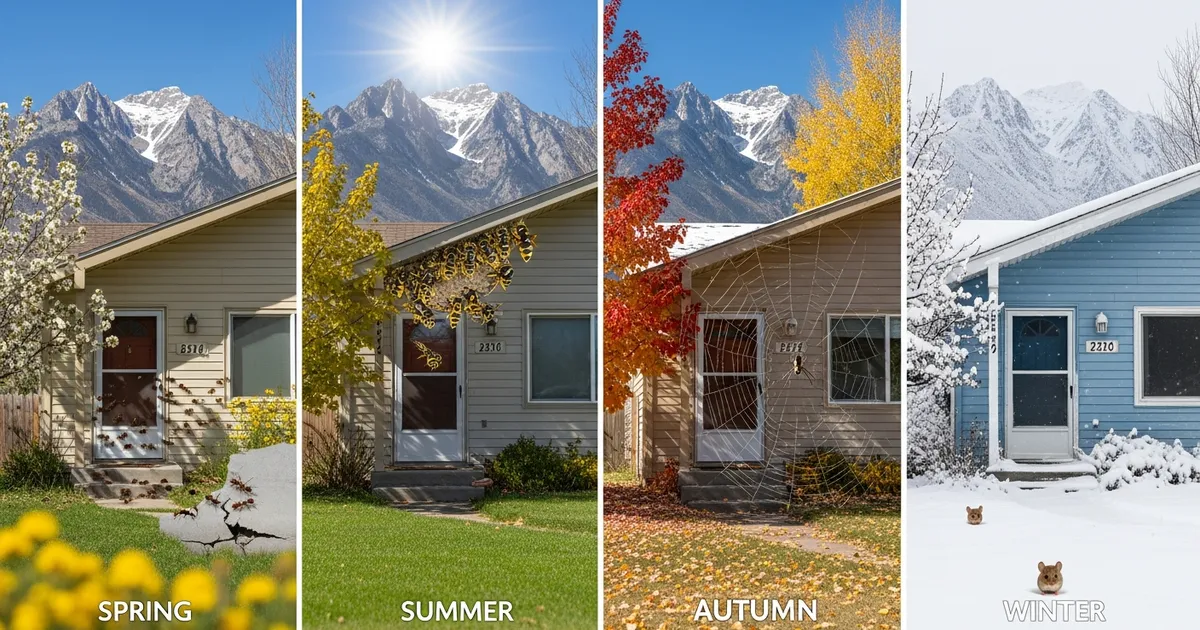

Utah’s unique climate creates distinct seasonal pest patterns that catch many homeowners off guard. From the early spring ant invasions along the Wasatch Front to the massive box elder bug swarms that hit Salt Lake and Utah Counties every fall, timing your pest control efforts makes all the difference.
This comprehensive seasonal calendar covers when to expect each major pest, what preventive steps to take, and how to stay ahead of problems before they start. Whether you’re in Ogden dealing with mountain rodents or in Nephi watching for agricultural pests, this guide keeps you prepared year-round.
Spring Pest Control (March – May): Prevention Season
Spring marks the beginning of Utah’s pest season as warming temperatures wake up overwintering insects and drive them to seek food and nesting sites. This is your most critical prevention window.
Primary Spring Pests
Ants emerge when soil temperatures reach 50°F, typically mid-March in Salt Lake Valley and early April in higher elevations like Park City. Pavement ants are the biggest concern, sending scouts into homes through foundation cracks as small as 1/16 inch.
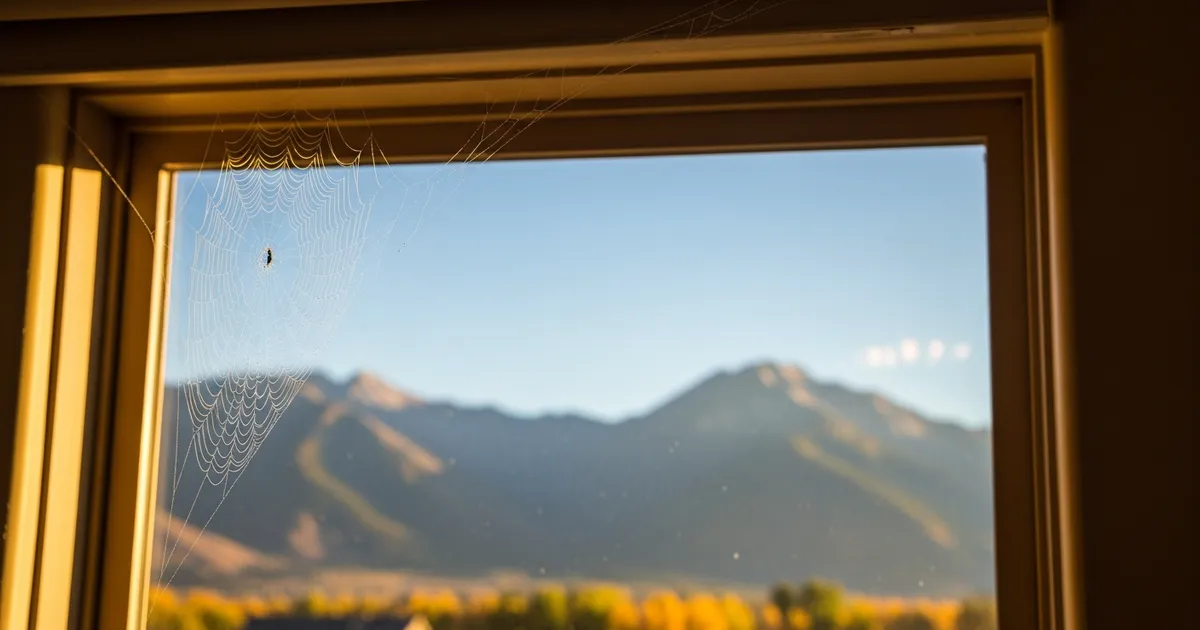
Spiders become active when nighttime temperatures stay above 45°F consistently. House spiders that sheltered indoors all winter start reproducing, while outdoor species like orb weavers begin building webs around patios and eaves.
Earwigs multiply rapidly in Utah’s spring moisture. A single female can produce 80 offspring, and they’re attracted to the damp conditions around sprinkler systems common in Wasatch Front neighborhoods.
Apply granular ant bait around your foundation perimeter in mid-March, before you see the first scout ants. This creates a protective barrier that intercepts colonies before they establish trails to your kitchen.
Spring Prevention Checklist
- Seal cracks in foundation and around utility penetrations with silicone caulk
- Trim vegetation back 18 inches from house exterior
- Apply pre-emergent ant control around foundation perimeter
- Clean gutters and fix moisture issues that attract pests
- Inspect and repair window and door screens
Timing for Maximum Effectiveness
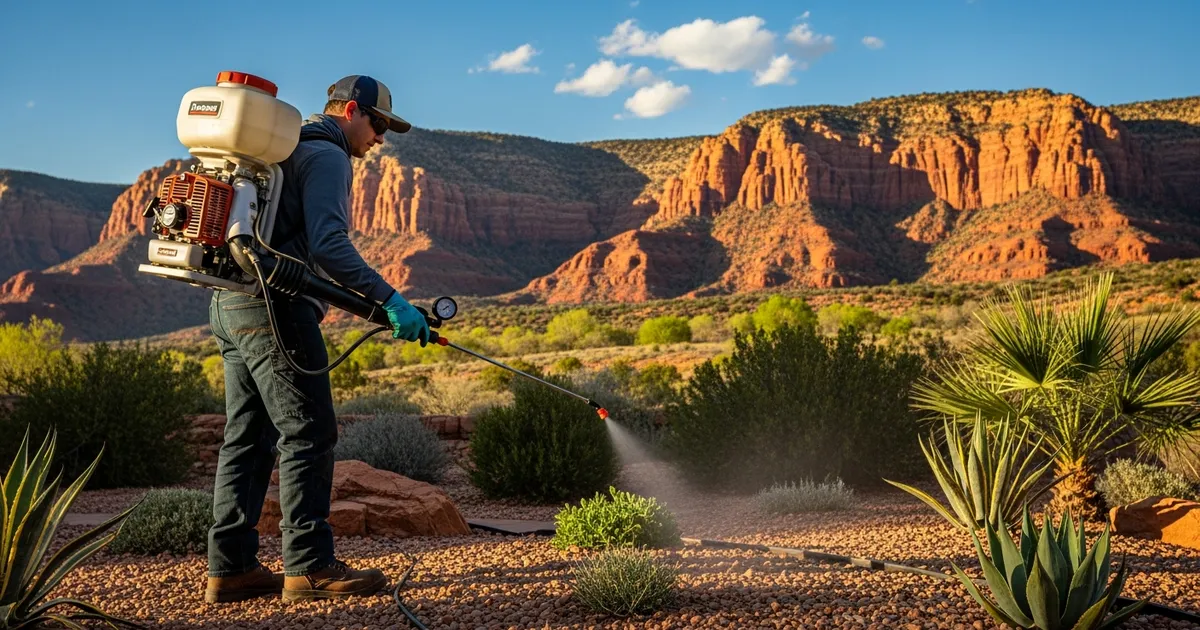
Professional spring treatments work best in the last week of March for Salt Lake Valley, first week of April for Utah County, and mid-April for areas above 5,000 feet elevation. This timing intercepts pest activity just as it begins.
Summer Pest Control (June – August): Peak Activity Management
Summer brings Utah’s most intense pest activity as temperatures soar and insects reach peak reproduction. This season requires active management rather than just prevention.
Primary Summer Pests
Wasps and Yellow Jackets build colonies that can reach 5,000 individuals by August. Paper wasps commonly nest under eaves of Utah homes, while yellow jackets prefer ground nests in landscaped areas.
Box Elder Bugs begin their population buildup in June, feeding on box elder and maple trees abundant throughout Utah neighborhoods. While not harmful, a single tree can support thousands of bugs that will invade homes in fall.
Spiders reach peak activity in July and August. Black widow spiders are particularly active in Utah during hot summer nights, often found in garages, sheds, and around outdoor equipment.
Ants establish strong colonies and may require multiple treatment approaches. Carpenter ants become more visible as they forage during cooler evening hours.
Black widow spiders are common in Utah and their bites require immediate medical attention. Check areas like woodpiles, storage sheds, and outdoor furniture regularly during summer months.
Summer Management Strategies
| Pest | Peak Activity | Best Treatment Window | Prevention Focus |
|---|---|---|---|
| Wasps/Yellow Jackets | July-August | Early June | Nest site elimination |
| Box Elder Bugs | July-September | Late June | Tree treatment |
| Black Widow Spiders | June-August | May-June | Habitat modification |
| Carpenter Ants | June-July | Early June | Moisture control |
Regional Considerations
Wasatch Front areas from Bountiful to Provo experience the heaviest wasp pressure due to urban landscaping that provides abundant nesting sites. Mountain communities like Heber and Park City see different species but similar timing patterns, just 2-3 weeks later due to elevation.
Fall Pest Control (September – November): Invasion Prevention
Fall is invasion season in Utah as outdoor pests seek winter shelter inside homes. This season requires the most aggressive exclusion efforts of the year.
Primary Fall Pests
Box Elder Bugs create the most dramatic fall pest event in Utah. When temperatures drop below 55°F at night (typically mid-September), massive swarms move toward heated buildings. A single sunny wall can attract thousands of bugs.
Rodents begin seeking winter shelter when nighttime temperatures consistently drop below 45°F. House mice can squeeze through gaps as small as 1/4 inch, while rats need 1/2 inch openings.
Spiders move indoors as their outdoor food sources disappear. Hobo spiders and giant house spiders become more visible as they search for mates and shelter.
Cluster Flies gather in wall voids and attics, becoming sluggish but persistent indoor nuisances throughout winter.
Seal entry points during the last week of August, before pest pressure peaks. Use copper mesh for large gaps around pipes and expanding foam for smaller cracks – pests can’t chew through either material.
Critical Fall Timeline
Early September: Begin intensive exclusion work while pests are still active outdoors
Mid-September: Peak box elder bug activity – exterior treatments most effective now
Late September: Rodent pressure increases – complete all exclusion work
October: Final outdoor treatments before winter dormancy
Fall Exclusion Priority List
- Inspect and seal all foundation penetrations
- Install or repair weatherstripping on doors and windows
- Screen attic and crawl space vents with 1/4-inch hardware cloth
- Trim tree branches away from rooflines
- Remove outdoor harborage sites like leaf piles and firewood from building perimeter
Winter Pest Control (December – February): Indoor Focus
Utah winters drive most pests into dormancy, but indoor heating creates perfect conditions for certain species to remain active year-round.
Primary Winter Pests
House Spiders thrive in heated homes during Utah’s cold winters. Common house spiders can complete their entire life cycle indoors, with females laying up to 9 egg sacs containing 250 eggs each.
Rodents that gained entry in fall become most problematic in winter as they establish territories and begin reproducing. A pair of mice can produce 56 offspring in one year under ideal conditions.
Stored Product Pests like pantry moths and flour beetles become active in heated kitchen areas, infesting dry goods stored since fall.
Overwintering Pests like box elder bugs and cluster flies emerge on warm winter days, becoming active in sunny windows and heated rooms.
Winter Indoor Strategies
Focus shifts to monitoring and targeted treatments rather than broad prevention. Indoor air circulation and reduced humidity help discourage pest activity.
Vacuum up overwintering pests like box elder bugs instead of spraying – insecticides can cause staining on interior surfaces, and dead bugs attract carpet beetles that feed on the carcasses.
Winter Maintenance Schedule
- Monthly: Inspect stored food items for pantry pest activity
- Bi-weekly: Check rodent monitoring stations and traps
- Weekly: Vacuum areas where overwintering pests congregate
- As needed: Targeted spider treatments in problem areas
Regional Pest Variations Across Utah
Utah’s diverse geography creates different pest pressures across regions, even within our service area from Ogden to Nephi.
Northern Utah (Ogden to Salt Lake)
Higher elevation and proximity to mountains means later spring emergence (2-3 weeks behind Salt Lake Valley) but more intense rodent pressure from field mice seeking winter shelter. Box elder bugs are less problematic due to fewer host trees.
Central Wasatch Front (Salt Lake to Provo)
Heaviest pest pressure statewide due to urban heat island effects and abundant irrigation. Ant problems start earliest here, typically mid-March. Box elder bug invasions are most severe due to extensive urban forestry.
Southern Service Area (Nephi and Surrounding)
Agricultural influence creates unique pest patterns. Earwig populations are higher due to irrigation, and stored product pests are more common. Spider pressure is moderate but includes more outdoor species seeking shelter.
Creating Your Personal Pest Calendar
Customize this general calendar based on your specific property and location. Track when you first notice pest activity each year to refine timing for your situation.
Record-Keeping Recommendations
- Note first sighting dates for major pests
- Track treatment effectiveness and duration
- Document weather patterns that correlate with pest activity
- Map problem areas around your property for targeted attention
How Green Defense Handles Utah’s Seasonal Pest Cycles
Our quarterly service program aligns perfectly with Utah’s natural pest seasons. We time treatments for maximum effectiveness: early spring prevention, summer knockdown, fall exclusion, and winter monitoring.
Each visit includes a detailed property inspection, targeted treatments based on seasonal pest pressure, and exclusion recommendations specific to your home’s vulnerabilities. Our technicians know exactly what to expect in Bountiful versus Draper versus Spanish Fork.
Quarterly service typically costs $100-150 per treatment for average Utah homes, with additional exclusion work priced separately. Most clients see an 80% reduction in pest issues compared to reactive treatments.
We provide detailed service reports after each visit, noting current pest activity, areas treated, and recommended maintenance between services. This documentation helps you understand your property’s unique pest patterns over time.
Emergency Situations and When to Call Immediately
Some pest situations require immediate professional attention regardless of season:
Call for emergency service if you discover active wasp nests near entries, signs of rodent contamination in food areas, or spider bites that show symptoms like muscle cramps or difficulty breathing. Seek medical attention immediately for suspected black widow bites.
- Active wasp or yellow jacket nests near doors or windows
- Signs of rodent activity in kitchens or food storage areas
- Large spider populations, especially near bedrooms
- Suspected black widow or other dangerous spider bites
- Massive pest invasions that overwhelm DIY efforts
Budget Planning for Year-Round Pest Control
Utah homeowners typically spend $400-800 annually on professional pest control when following a seasonal program. This breaks down to roughly $100-200 per season, with spring and fall typically requiring the most intensive treatments.
DIY prevention costs average $150-300 per year for materials like exclusion supplies, monitoring devices, and spot treatments. However, professional services prevent an estimated 80% more pest problems than DIY approaches alone.
Cost-Effective Timing
- Highest ROI: Spring prevention treatments – stop problems before they start
- Most critical: Fall exclusion work – prevents winter invasions
- Best value: Quarterly programs with seasonal optimization
- Emergency costs: Reactive treatments average 300% more than preventive programs