
Subterranean termites are the most destructive termite species in North America, quietly tunneling through structural wood from soil contact below your home. They build distinctive mud tubes to bridge soil and wood, and a mature colony can damage a home’s framing in just a few years. Annual inspections are the single best defense, especially in humid Florida and along irrigated foundations in southern Utah.
Identification
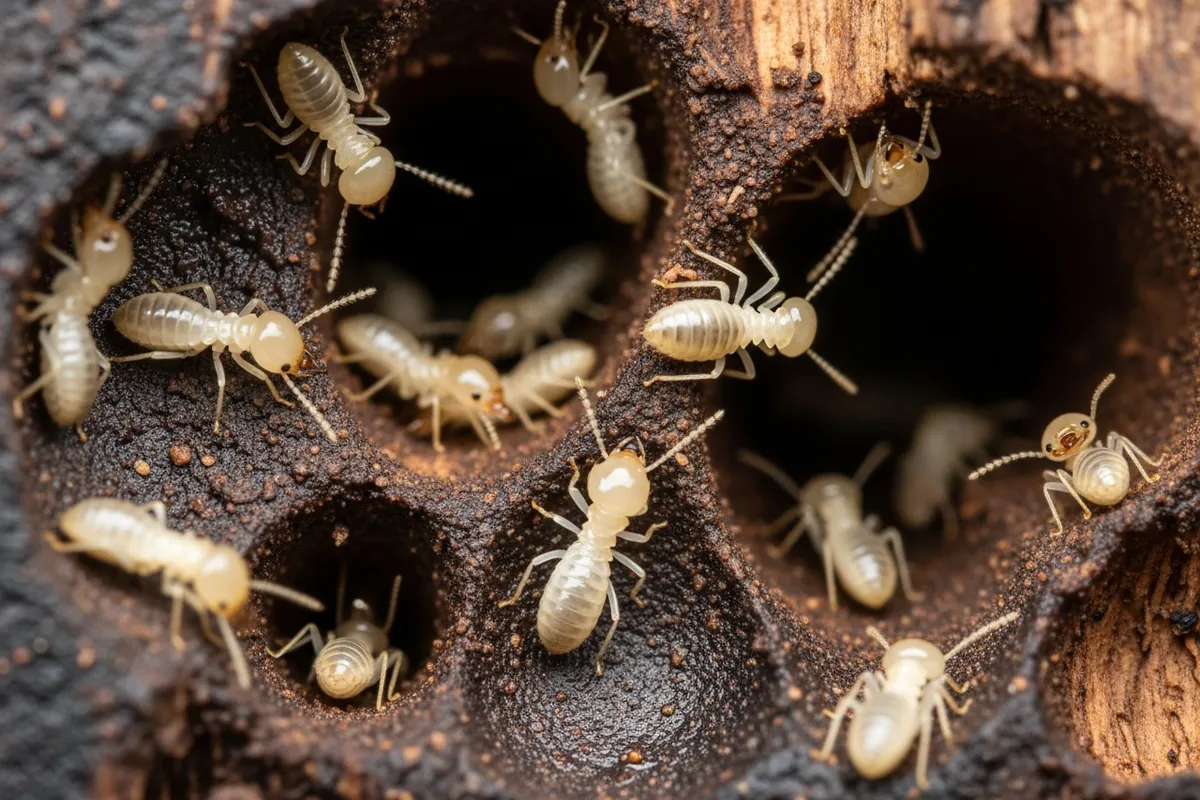
Subterranean termites (Reticulitermes spp.) are small, soft-bodied insects that most homeowners encounter as winged swarmers in spring. Swarmers are dark brown to black, roughly a quarter-inch long including wings, with two pairs of equal-length wings and a straight, broad waist. They’re often confused with flying ants, but ants have a pinched waist, bent antennae, and unequal wing pairs. Worker termites are pale, almost translucent, and rarely seen since they stay inside wood or mud tubes. Soldiers have larger orange-brown heads with prominent mandibles. After swarming, you’ll often find piles of equal-sized, teardrop-shaped wings on windowsills or near light fixtures, which is one of the clearest signs termites are present.
Where Subterranean Termites Live in Utah and Florida
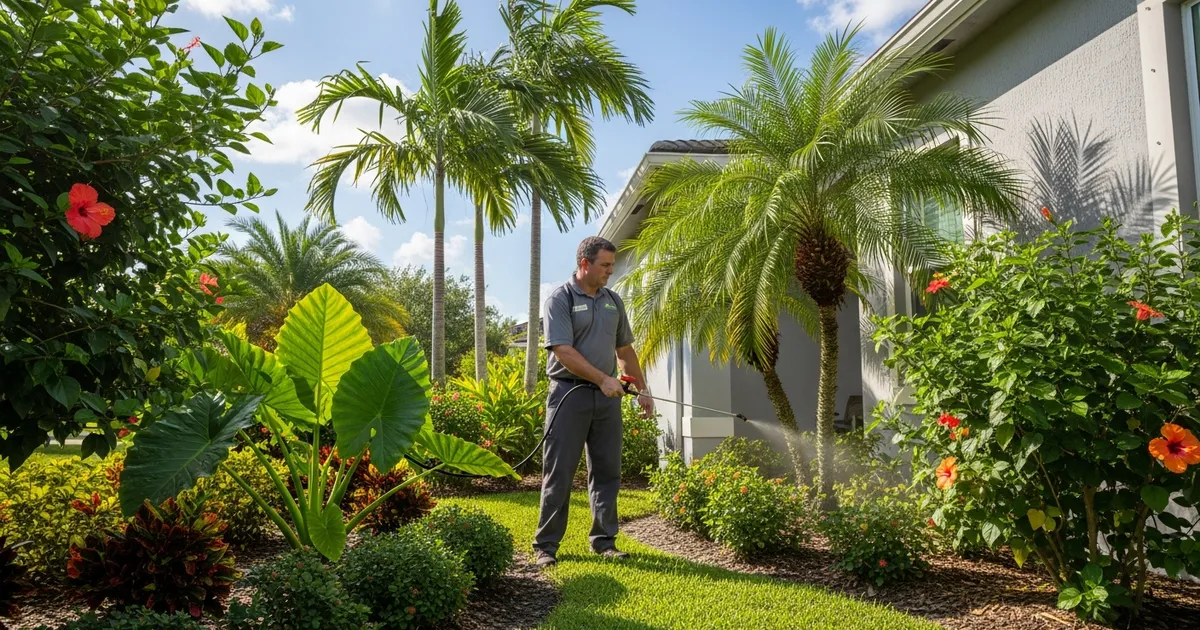
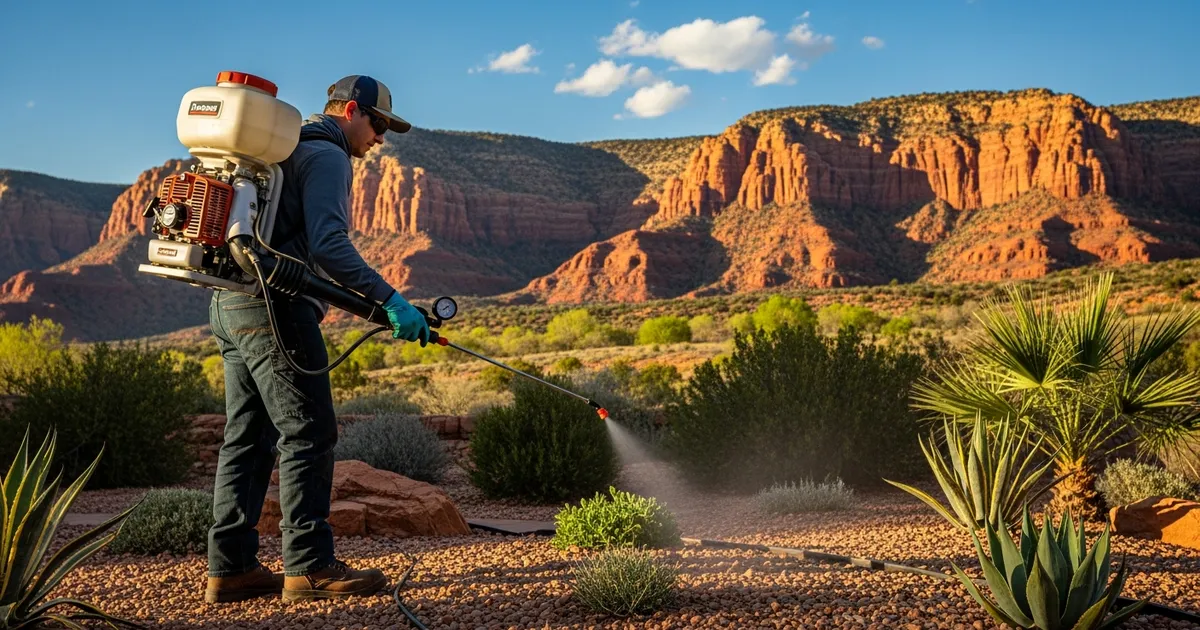
Subterranean termites need consistent soil moisture, which makes Florida ideal habitat year-round. Central Florida’s warm temperatures, high humidity, and sandy soils support large, active colonies under almost every neighborhood. In southern Utah, populations are smaller but very real, especially around irrigated landscapes, leaky sprinkler lines, and homes built on slabs with soil-to-wood contact. Colonies live underground, sometimes hundreds of feet from the structure they’re feeding on, and send foragers up through tubes or cracks in concrete. Drier desert conditions slow them down but don’t stop them, and many St. George homes show termite activity tied directly to landscape watering.
Why They Get Into Homes
Termites aren’t drawn to your home the way ants or roaches are. They’re simply foraging for cellulose, which is the main component of wood, cardboard, and plant debris. Once a worker finds a food source, the colony builds mud tubes to maintain humidity while traveling between soil and wood. Common entry points include cracks in foundations, expansion joints, plumbing penetrations, and any spot where wood touches soil. Mulch piled against siding, wood fence posts, firewood stacked against the house, and buried form boards left over from construction all give termites a direct path indoors.
Signs You Have a Subterranean Termite Problem
Subterranean termites work out of sight, so the signs are subtle until damage is significant. Watch for these indicators:
- Pencil-width mud tubes running up foundation walls, piers, or interior framing
- Piles of discarded wings near windows, doors, or light fixtures in spring
- Wood that sounds hollow when tapped, especially baseboards and door frames
- Floors that feel spongy or sag in spots
- Bubbling, blistered, or peeling paint that looks like water damage
- Tight-fitting doors and windows that suddenly stick
- Small, gritty piles of soil-like material at cracks or seams
What’s the Damage?
Termites don’t bite, sting, or spread disease, but they cause more damage to American homes than fires and storms combined in most years. Subterranean species hollow out load-bearing studs, joists, subfloors, and door frames from the inside, leaving a thin shell of paint or veneer. Repairs to a moderately infested home can run into the tens of thousands of dollars, and most homeowners insurance policies specifically exclude termite damage. Catching activity early, before structural members are compromised, is the difference between a routine treatment and a major reconstruction project.
How to Prevent Subterranean Termites Around Your Home
You can make your property significantly less attractive to termites with consistent maintenance:
- Keep mulch, soil, and landscape beds at least six inches below siding and stucco
- Move firewood, lumber, and cardboard away from the foundation
- Fix leaky hose bibs, AC condensate lines, and irrigation heads near the house
- Direct downspouts and grading so water drains away from the foundation
- Seal cracks in concrete slabs, foundations, and around plumbing penetrations
- Replace any wood that’s in direct contact with soil, including deck posts and trim
- Keep crawl spaces ventilated and dry
- Schedule a professional termite inspection at least once a year
When to Call a Professional
Termites are not a DIY pest. Once you spot mud tubes, swarmers, or hollow wood, the colony has already been active for a while, and over-the-counter sprays only kill the few workers you can see. Effective control requires either a continuous liquid termiticide barrier around the foundation or a monitored baiting system that eliminates the entire colony. Both approaches need professional equipment, training, and follow-up. If you suspect activity, get an inspection before damage spreads. Request a free quote and we’ll walk your property and explain your options. You can also learn more about our pest control services.