
Southern Utah’s desert landscape around St. George, Hurricane, and Ivins provides perfect habitat for two distinct scorpion species. While both can deliver painful stings, knowing the difference between a bark scorpion and desert hairy scorpion could literally save your life. The bark scorpion’s sting sends dozens of people to emergency rooms across Washington County each year, while desert hairy scorpion stings, though painful, rarely require medical intervention.
Understanding these identification differences becomes crucial when you’re hiking Red Canyon, camping near Snow Canyon State Park, or simply checking your backyard shed in Santa Clara. Let’s break down exactly how to tell these two scorpions apart.
Physical Identification: Size and Body Structure
The most obvious difference between these scorpions is size. Bark scorpions measure just 2-3 inches from head to tail tip, making them one of the smaller scorpion species in Utah. Desert hairy scorpions are giants by comparison, reaching 4-5 inches in length and sometimes growing even larger.
Body build differs dramatically between species. Bark scorpions have slender, delicate-looking bodies with thin pincers (pedipalps) and long, skinny tails. Their overall appearance seems almost fragile. Desert hairy scorpions are robust and thick-bodied with massive, powerful pincers that look like they could crack nuts. Their tails are proportionally shorter but much thicker.
Remember the rule: thin pincers mean dangerous venom. Bark scorpions rely on potent venom because their small pincers can’t physically subdue prey. Desert hairy scorpions have weak venom because their powerful pincers do most of the work.
The pincers provide the clearest identification clue. Bark scorpion pincers are narrow and delicate, barely wider than the tail segments. Desert hairy scorpion pincers are massively oversized compared to their body, thick and powerful-looking. If the pincers look like they could grab and crush something, you’re looking at a desert hairy scorpion.
Color and Surface Texture Differences
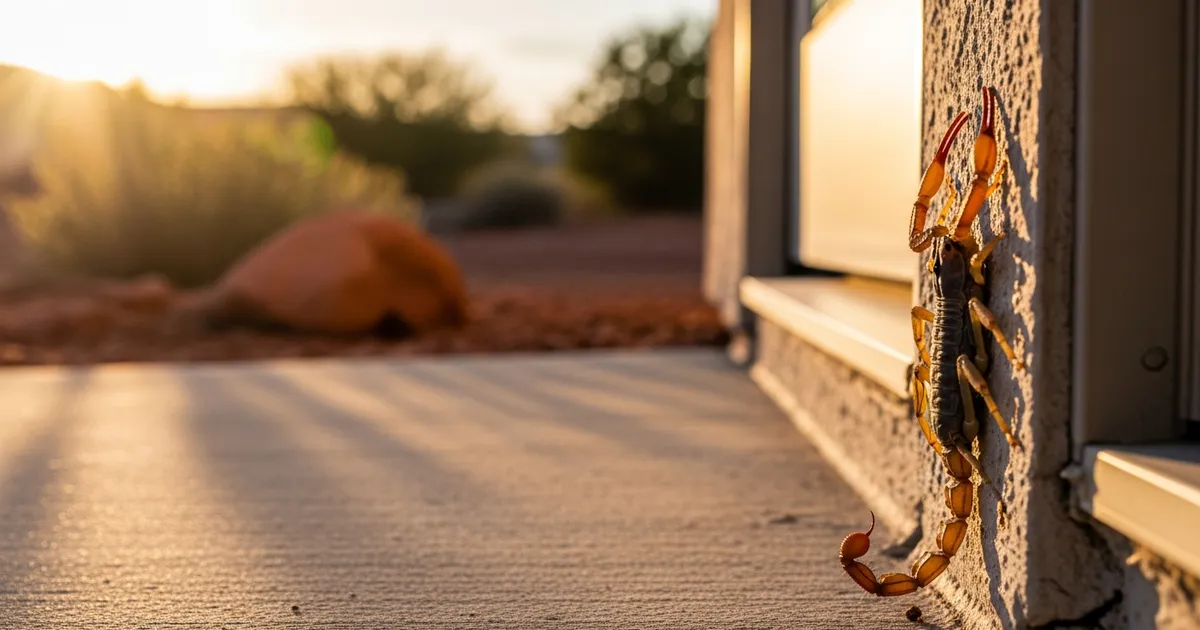
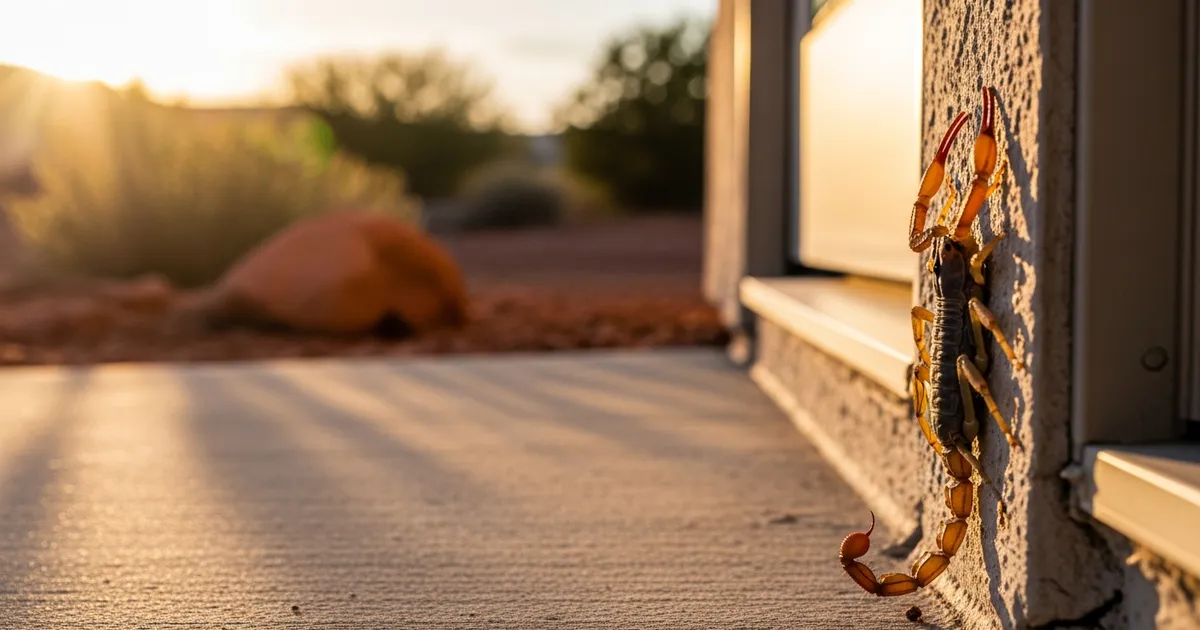
Color provides another reliable identification method. Bark scorpions are translucent yellow to pale brown, often appearing almost see-through under bright light. You can sometimes see internal body structures through their exoskeleton. This translucent quality is unique among Utah scorpions.
Desert hairy scorpions are dark brown to blackish-brown with a matte finish. They never appear translucent and have an overall darker, more solid appearance. The brown color can vary from light brown to nearly black depending on the individual.
Surface texture tells the story in their names. Bark scorpions have smooth, glossy exoskeletons that reflect light. Desert hairy scorpions are covered in fine, hair-like bristles (setae) that give them a fuzzy appearance, especially visible under magnification. These bristles help them detect ground vibrations and air movements.
Behavioral and Habitat Clues
Behavioral differences help with identification even from a distance. Bark scorpions are excellent climbers, regularly found on walls, ceilings, and hanging upside down from overhangs. They’re the only scorpion species in Utah that climbs vertical surfaces routinely. If you find a scorpion on your wall in Washington or Ivins, it’s definitely a bark scorpion.
Desert hairy scorpions stay firmly planted on the ground. They’re terrestrial creatures that rarely climb higher than a few inches. You’ll find them under rocks, in burrows they dig themselves, or hiding under debris piles. They’re powerful diggers, creating burrows up to 12 inches deep in sandy soil.
Never attempt to handle any scorpion for identification purposes. Both species can sting defensively, and bark scorpion stings require immediate medical attention. Use a flashlight and observe from a safe distance of at least 3 feet.
Activity patterns differ slightly between species. Both are nocturnal, but bark scorpions become active earlier in the evening and stay active later into the night. Desert hairy scorpions have a shorter active period, typically emerging 1-2 hours after sunset and returning to shelter before dawn.
Venom Potency and Medical Significance
The venom difference between these species cannot be overstated. Bark scorpions produce the most potent scorpion venom in North America. Their venom contains neurotoxins that affect the nervous system, potentially causing severe symptoms including difficulty breathing, muscle twitching, excessive salivation, and in rare cases, respiratory failure.
Desert hairy scorpion venom is comparatively mild. While stings are painful and cause localized swelling and redness, they rarely produce systemic symptoms. Most people describe the pain as similar to a bee sting but lasting longer, typically 2-4 hours.
| Characteristic | Bark Scorpion | Desert Hairy Scorpion |
|---|---|---|
| Size | 2-3 inches | 4-5 inches |
| Color | Translucent yellow/pale brown | Dark brown to black |
| Pincers | Thin, delicate | Large, powerful |
| Surface | Smooth, glossy | Hairy, bristled |
| Climbing Ability | Excellent climber | Ground-dwelling only |
| Venom Danger | Potentially life-threatening | Painful but not dangerous |
| Sting Treatment | Immediate medical attention | Pain management at home |
Geographic Distribution in Southern Utah
Both species inhabit Southern Utah’s desert regions, but with some habitat preferences. Bark scorpions prefer rocky areas with crevices and are commonly found around St. George’s red rock formations, particularly near Zion National Park’s lower elevations and throughout Snow Canyon State Park.
Desert hairy scorpions prefer sandy or gravelly areas where they can dig burrows. They’re more common in the flatter desert areas around Hurricane, La Verkin, and the outskirts of St. George where sandy soil predominates. Both species avoid higher elevation areas, rarely found above 4,000 feet elevation.
In residential areas, bark scorpions gravitate toward homes with stucco exteriors, block walls, and landscaping rocks. They’re frequently found in attics, behind picture frames, and in bedding. Desert hairy scorpions stick to ground-level hiding spots like wood piles, storage sheds, and landscape timbers.
Use a blacklight flashlight for nighttime scorpion detection. Both species glow bright blue-green under UV light, making identification much easier from a safe distance. Check your property monthly during warm weather months.
Seasonal Activity Patterns
Understanding seasonal patterns helps predict when you’re most likely to encounter each species. Both scorpions become active when nighttime temperatures consistently stay above 65°F, typically from late March through October in Southern Utah.
Peak activity occurs during summer months (June through August) when both species are actively hunting and mating. Bark scorpions remain somewhat active during mild winter nights, particularly around heated buildings. Desert hairy scorpions enter deeper dormancy during winter months.
Mating season brings increased activity and territorial behavior. Bark scorpions mate from April through June, during which males become more aggressive and likely to enter homes searching for females. Desert hairy scorpions mate later in the summer, typically July through September.
First Aid and Medical Response
Proper first aid differs significantly between species. For suspected bark scorpion stings, time is critical. Immediately apply ice to the sting site and seek emergency medical attention, especially for children under 12, adults over 65, or anyone with compromised immune systems.
Bark scorpion antivenom is available at most Southern Utah hospitals, including Dixie Regional Medical Center in St. George and Hurricane Valley Medical Center. The antivenom is highly effective when administered within 4 hours of the sting.
Desert hairy scorpion stings require basic first aid: clean the wound, apply ice for pain relief, and monitor for signs of allergic reaction. Over-the-counter pain medications like ibuprofen help manage discomfort. Seek medical attention only if allergic reactions develop or if you’re unsure of the scorpion species.
Children and elderly individuals are at higher risk for severe reactions to bark scorpion stings. Never adopt a “wait and see” approach with potential bark scorpion stings in vulnerable populations. Seek immediate emergency care.
Prevention Strategies for Both Species
Effective scorpion prevention targets both species simultaneously. Eliminate water sources by fixing leaks, removing standing water, and ensuring proper drainage around foundations. Both scorpions need moisture to survive and are attracted to irrigation zones common in St. George landscaping.
Remove hiding places by clearing debris piles, storing firewood away from structures, and eliminating rock piles near foundations. Seal cracks in exterior walls, particularly around utility penetrations and foundation joints. Use weather stripping under doors and caulk gaps wider than a credit card.
Landscape modifications prove highly effective. Replace rock mulch with wood chips or gravel mulch. Trim vegetation away from exterior walls to create a 3-foot barrier zone. Remove palm trees and other plants that provide daytime hiding spots for bark scorpions.
Interior prevention focuses on regular cleaning and decluttering. Shake out shoes, clothing, and bedding before use. Install door sweeps and repair window screens. Store clothing in sealed containers and keep bedding away from walls.
Professional Treatment Approaches
Professional scorpion control differs for each species due to their distinct behaviors. Bark scorpion treatment requires vertical surface applications since they climb walls and hide in elevated locations. Desert hairy scorpion control focuses on ground-level treatments and burrow management.
Effective professional treatment combines targeted applications with habitat modification. Licensed technicians apply materials to scorpion travel routes, entry points, and hiding locations. Treatment frequency depends on infestation severity and property characteristics.
Professional scorpion treatments work best when combined with ongoing prevention efforts. The most successful programs include quarterly treatments during active season plus monthly property inspections using blacklight detection.
How Green Defense Handles Scorpion Identification and Control
Green Defense Pest Control’s scorpion program begins with thorough species identification and property assessment. Our licensed technicians use specialized equipment including blacklight detectors and magnification tools to properly identify scorpion species and locate harborage areas.
Treatment protocols differ based on species present. For bark scorpion issues, we focus on vertical surfaces, entry points, and climbing routes. Desert hairy scorpion control emphasizes ground-level applications and burrow treatments. Our integrated approach combines targeted treatments with habitat modification recommendations.
Our scorpion service includes initial treatment with follow-up visits at 30, 60, and 90 days to ensure complete control. We provide UV blacklight flashlights to homeowners for ongoing monitoring. Pricing starts at $195 for initial treatment with quarterly maintenance plans available.
Emergency response is available for bark scorpion situations, particularly when children or vulnerable individuals are present. Our technicians carry identification guides and can provide immediate species verification to help guide medical decisions.
Long-term Management and Monitoring
Successful scorpion management requires ongoing vigilance and monitoring. Both species can re-establish populations quickly if prevention measures lapse. Regular property inspections using blacklight detection help identify problems before they become serious.
Seasonal preparation is crucial in Southern Utah’s climate. Pre-summer treatments in March and April prevent population establishment during peak breeding season. Fall treatments in October help reduce overwintering populations.
Documentation helps track program effectiveness. Keep records of scorpion sightings, including species, location, and circumstances. This information helps refine treatment approaches and identify high-risk areas requiring additional attention.
Professional monitoring services provide peace of mind for families with young children or elderly residents. Monthly inspections during active season help maintain scorpion-free environments around homes in high-risk areas like the red rock neighborhoods of St. George and the desert communities surrounding Hurricane.